 ultimate-guide
Essential Ingredients for Authentic Greek Cooking
Table of Contents
- The Pantry Essentials That Define Authentic Greek Cooking
- Extra Virgin Olive Oil, Feta, and the Core Culinary Staples
- How to Make Homemade Greek Seasoning and Herb Blends
- Olives, Capers, and Traditional Curing Methods
- Sourcing Authentic Greek Ingredients in the United States
- Pairing Guide: How These Ingredients Work Together
- Frequently Asked Questions
Last Updated: September 25, 2026
The Pantry Essentials That Define Authentic Greek Cooking
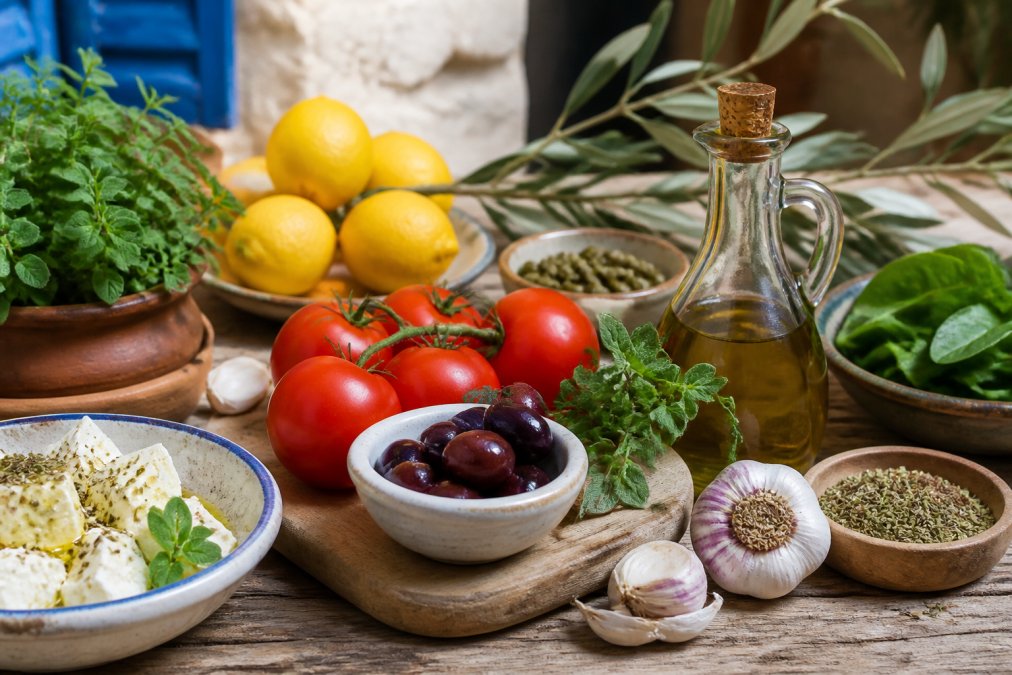
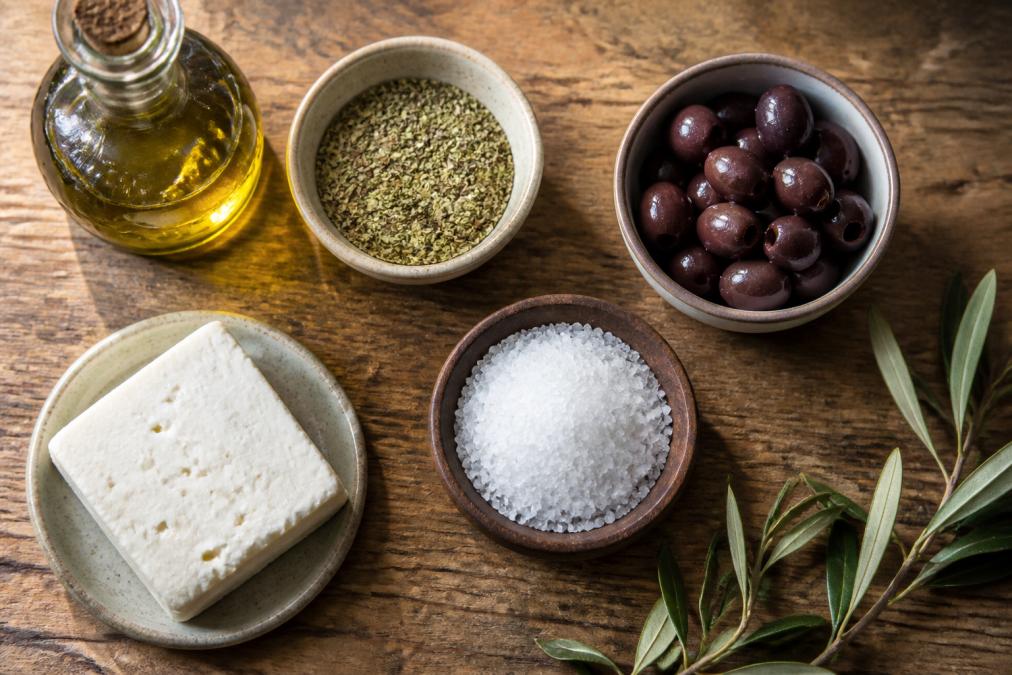
Walk into any Greek yiayia's kitchen and you'll spot the same staples: extra virgin olive oil, feta, dried oregano, sea salt, and cured olives, the backbone of essential ingredients for authentic greek cooking. This guide from Gyro Kingdom breaks down what each does, how to spot the real thing on a US shelf, and how to use them.
Extra Virgin Olive Oil, Feta, and the Core Culinary Staples
Greek cooking rests on four pillars: olive oil, cheese, herbs, and cured goods. Miss one and the plate reads as "Mediterranean-ish" rather than genuinely Greek.
Extra Virgin Olive Oil: The Foundation of Every Dish
Extra virgin olive oil is the cold-pressed juice of olives that has not undergone chemical refinement, retaining its natural acidity, aroma, and polyphenol content. It is the single most important ingredient in the Greek kitchen, used for dressing, sautéing, drizzling, and finishing.
- For sautéing and roasting: a standard extra virgin works fine. Its smoke point sits high enough for most home stovetops, and Greek cooks have used it for everyday cooking for generations.
- For frying: many Greek households fry in olive oil, but it degrades faster at high heat. Use a fresh bottle, keep the temperature steady, and don't reuse the oil more than once or twice.
- For finishing: this is where a single-origin, early-harvest bottle earns its price. Early-harvest oil is greener, more peppery, and higher in polyphenols, the compounds behind the bitter, pungent back-of-throat sensation that signals freshness.
Feta and Other Types of Greek Cheese for Cooking
Feta is a brined, crumbly white cheese traditionally made from sheep's milk or a sheep-and-goat blend. It does not melt into strings, which is why it works in Greek food: it holds its shape and delivers salt and tang in bursts. That comes from its high acidity and low pH, the proteins don't stretch like mozzarella's, so feta stays crumbly even under a broiler.
- Graviera: a hard, nutty cheese similar to Parmesan, used for grating over pasta and baked dishes. It grates cleanly and browns well.
- Kasseri: a semi-hard sheep's milk cheese that melts well and appears in fried dishes. It stretches slightly when hot, which is why it works in saganaki.
- Halloumi: a firm brined cheese that holds up on the grill without melting through the grate. Its high melting point lets you sear it directly on a hot surface.
- Anthotyro: a soft, mild whey cheese used in pastries and stuffings. It behaves more like ricotta than feta and is best used fresh.
- Kefalotyri: a hard, salty sheep's or goat's milk cheese often grated over pasta or fried as saganaki. Sharper and saltier than graviera.
- Manouri: a semi-soft whey cheese, creamier than anthotyro, often served drizzled with honey as a dessert.
How to Make Homemade Greek Seasoning and Herb Blends
The core Greek seasoning blend is dried oregano, garlic, lemon zest, sea salt, and black pepper, combined in roughly equal parts with oregano leading. Anything more elaborate muddies the flavor.
Here's a working ratio you can scale:
- Combine 4 parts dried Greek oregano, 1 part granulated garlic, 1 part onion powder, and 1 part coarse sea salt.
- Add 1/2 part cracked black pepper and 1/2 part dried thyme.
- Grate in fresh lemon zest only if you'll use the blend within a week; dried zest loses its punch fast.
- Store in an airtight jar away from the stove, where heat kills the oils that carry the aroma.
Olives, Capers, and Traditional Curing Methods
Kalamata olives are almond-shaped, dark purple, and cured in brine or salt to remove their bitterness. Traditional curing takes weeks, and that slow process gives them their winey, slightly smoky depth.
Sourcing Authentic Greek Ingredients in the United States
Most guides stop at "buy good olive oil and real feta." That's not useful when you're holding two nearly identical bottles in an aisle. This section covers how to tell authentic from imitation, where to look in a typical American grocery store, and what to do when the real thing isn't on the shelf.
Reading Labels and Authenticity Markers
Authenticity in Greek products is mostly a labeling problem. Here's what to look for:
- Protected designation of origin (PDO) seals on feta, olive oil, and certain olives tie the product to a defined region and production method. Greek feta carries a PDO requiring sheep's milk or a sheep-and-goat blend and specific brining. If a package says "feta" but has no PDO and lists cow's milk, it's an imitation.
- Harvest or production dates rather than only a best-by date. For olive oil, this is the most reliable freshness signal; for feta, it tells you how long it's been in brine.
- Country of origin stated clearly. "Product of Greece" is specific; "Packed in the EU" is not.
- Ingredient lists with no fillers. Feta is sometimes cut with cow's milk without saying so. The ingredient line should list milk, salt, rennet, and cultures, nothing else.
- For olives: brine-cured Kalamata olives are purple-black and almond-shaped. Dyed black olives are uniformly jet-black and often sold simply as "black olives." If the color is too even, it's dye.
| Ingredient | Authenticity Marker | Common Fake | Best Substitute |
|---|---|---|---|
| Feta | PDO seal, sheep/goat milk listed, sold in brine | Cow's milk "salad cheese" in a dry block | Domestic sheep's milk feta |
| Olive oil | Harvest date, single origin, dark glass or tin | Blended, undated oil in clear plastic | California extra virgin with a harvest date |
| Oregano | Greek origin, whole dried leaf | Generic ground oregano | Mexican oregano in small amounts |
| Kalamata olives | PDO seal, brine-cured, uneven purple-black color | Dyed black olives | Oil-cured Moroccan olives |
| Pomegranate molasses | 100% pomegranate, no added sugar | Corn-syrup blends labeled "pomegranate syrup" | Reduction of pure pomegranate juice |
Where to Look in a Typical American Grocery Store
Authentic Greek products are rarely in one place. A practical map:
- International or Mediterranean aisle: olives, capers, pomegranate molasses, and sometimes imported feta in brine.
- Deli or specialty cheese counter: the best feta, graviera, kasseri, and halloumi usually live here, not in the dairy case.
- Dairy case: domestic sheep's milk feta and Greek-style yogurt. "Strained" yogurt is thicker and closer to the Greek original than yogurt with added thickeners.
- Baking aisle: phyllo dough, usually frozen. Look for sheets made with butter rather than oil.
- Spice aisle: dried oregano. Whole dried leaf beats ground, which loses its oils faster.
- Online: for PDO feta, single-origin olive oil, and Greek oregano, specialty importers often beat local shelves on selection and freshness.
Substitutions for Hard-to-Find Items
When a specialty item isn't on the shelf, these swaps keep the dish recognizable. Match function, not flavor identity, acidulants for acidulants, brined cheeses for brined cheeses, hard grating cheeses for hard grating cheeses.
- Graviera → aged Parmesan or Pecorino. Both grate and brown similarly.
- Kasseri → a young provolone or a mild low-moisture mozzarella for melting applications.
- Halloumi → pan-fried paneer or a firm queso de freír. Both hold shape under heat.
- Anthotyro → whole-milk ricotta, drained briefly if it's watery.
- Pomegranate molasses → a reduction of pomegranate juice with a squeeze of lemon. Simmer until it coats a spoon.
- Greek oregano → a mix of standard oregano and a pinch of dried marjoram.
- Sheep's milk feta → domestic sheep's milk feta, which is increasingly available in US grocery chains.
A Note on Seasonality
Greek cooking is seasonal by nature, and sourcing follows the same rhythm. Tomatoes peak in late summer, citrus in winter, and fresh herbs in spring. Dried oregano and brined products like feta and olives are year-round staples, but the vegetables and herbs around them change with the calendar. Building dishes around what's in season is how Greek home cooking stays varied without trying hard, and when the ingredients taste best.
Pairing Guide: How These Ingredients Work Together
Balance is the whole game. Greek food layers fat, acid, salt, and herbs so no single note dominates.
- Grilled lamb + lemon + oregano: the acid cuts the richness of the meat
- Feta + tomato + olive oil: salt and fat emulsify into a loose dressing
- Chickpeas + dill + lemon: brightness keeps the pulses from tasting heavy
- Yogurt + garlic + cucumber: cool dairy tempers sharp alliums
- Honey + thyme + cheese: sweetness against salt, a classic Greek dessert pairing
Frequently Asked Questions
What are the most essential ingredients for authentic Greek cooking?
The foundation starts with extra virgin olive oil, which appears in nearly every traditional recipe. From there, stock feta cheese, Kalamata olives, dried oregano, fresh lemon juice, garlic, and sea salt. These seven items alone let you build dozens of classic dishes. Adding phyllo dough, strained yogurt, and thyme honey expands your range into pastries, dips, and desserts. Greek cooking rewards a focused pantry over a crowded one, so master these basics before branching out.
What are the most common herbs used in authentic Greek cooking?
Oregano leads by a wide margin, followed by dill, mint, bay laurel, and thyme. Oregano seasons everything from roasted lamb to salads. Dill pairs with yogurt dishes and spanakopita. Mint shows up in meatballs and stuffed vegetables. Bay laurel goes into soups and braised dishes. Thyme, especially when paired with honey, appears in marinades and roasted meats. Dried versions work well, but fresh herbs deliver a brighter, more aromatic result when available.
How can I source authentic Greek ingredients locally?
Check Mediterranean and Middle Eastern grocery stores first, as they typically carry imported feta, Kalamata olives, and phyllo dough at better prices than mainstream supermarkets. Look for feta labeled with protected designation of origin status, which confirms it was produced in Greece using traditional methods. For olive oil, seek bottles marked cold-pressed and harvested within the last 18 months. Many online retailers now ship these items directly, making it easier than ever to stock an authentic pantry.
What are the must-have Greek cheeses for authentic recipes?
Feta is the most recognized and the most versatile. Kefalotyri, a hard, salty cheese, works well for frying and grating over pasta. Graviera is a sweeter, nuttier option often used in baked dishes. Halloumi holds its shape when grilled or pan-fried, making it a popular choice for appetizers. Mizithra, a soft whey cheese, appears in pastries and desserts. For most home cooks, keeping feta and kefalotyri on hand covers the majority of traditional recipes.