 how-to
Save Money on Food Delivery: 7 Proven Strategies
Table of Contents
- Why Food Delivery Costs Add Up So Quickly
- Order Greek Food Delivery Online Directly From Restaurants
- Avoiding Service Fees on Food Apps
- Use Food Delivery Loyalty Programs to Earn Rewards
- Time Your Orders for Off-Peak Pricing
- Split Delivery Costs With Group Orders
- Compare Grocery Delivery vs. Restaurant Delivery for Your Needs
- Conclusion
- Frequently Asked Questions
Last Updated: September 28, 2026
Why Food Delivery Costs Add Up So Quickly
Food delivery has become a convenient way to get meals without leaving home, but learning how to save money food delivery is essential. But the final bill often shocks customers. What starts as a $15 entree can easily become $25 or $30 once fees pile up.
Here's what happens: restaurants charge a base price. Then delivery apps add service fees, delivery fees, and convenience charges. Some apps also charge small order fees if your total falls below a minimum. Driver tips get added on top. Before you know it, you've paid nearly double the food's actual cost.
Understanding these hidden costs is the first step to saving money on food delivery. Many customers don't realize how much they're overpaying. The good news? You have real options to reduce what you spend.
Order Greek Food Delivery Online Directly From Restaurants
The most effective way to save money on food delivery is to skip the apps entirely. Order directly from the restaurant instead.
When you use apps like DoorDash or Uber Eats, the restaurant pays a commission. That cost gets passed to you through higher prices and fees. Direct ordering cuts out the middleman completely.
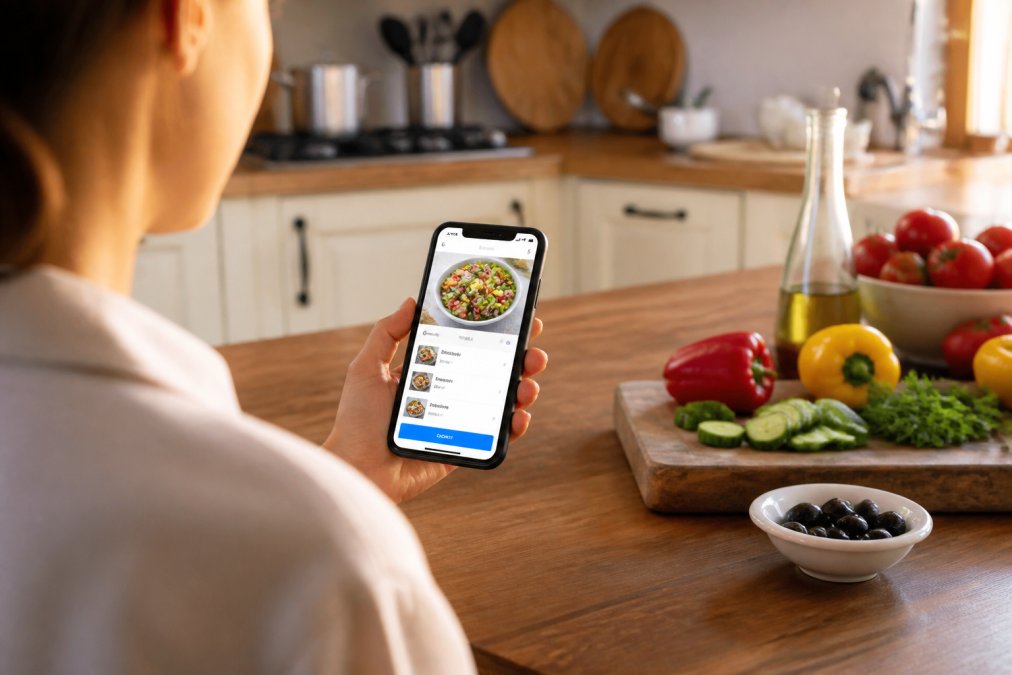
Many restaurants now have their own websites with online ordering built in. You place your order directly on their site. Payment goes straight to the restaurant. Delivery happens through their own drivers or a partner they've chosen. No app markup. No inflated service charges.
At Gyro Kingdom, we offer direct online ordering that lets you skip the delivery app fees entirely. You get the same fresh, authentic Greek food without paying extra middleman costs. Order chicken, lamb, beef, or pork gyros directly through our system.
The process is simple:
- Visit the restaurant's website
- Browse their menu at their actual prices
- Add items to your cart
- Check out and pay
- Food arrives from the restaurant's own delivery system
Direct ordering can offer savings compared to app-based delivery.
Avoiding Service Fees on Food Apps
If you do use delivery apps, understanding exactly what you're paying is the first step to reducing it. Most customers don't realize how much fees compound until they see the final total.
Breaking Down the Real Cost
Here's what a typical $20 restaurant order actually costs across different platforms:
- Base food cost: $20.00
- Service fee (15%): $3.00
- Delivery fee: $2.50-$4.50
- Small order fee (if applicable): $0-$3.00
- Convenience fee: $0-$1.50
- Suggested tip (18%): $3.60
- Total: $29.10-$32.60
That's a 45-63% markup on the food alone. Different apps structure fees differently, so the same restaurant meal costs more on one platform than another.
Platform Fee Comparison Strategy
Before ordering, check the estimated total on at least two apps. Most apps show the delivery fee and service fee before checkout. DoorDash and Uber Eats display these upfront; some regional apps bury them until the final step. Open both apps, add the same items to your cart, and compare the total. You might find a $3-5 difference for identical food.
Some apps waive delivery fees during promotions or for membership tiers. DoorDash DashPass ($9.99/month or $119/year) offers free delivery on orders over $15 at participating restaurants. Uber Eats Pass ($9.99/month) provides free delivery on orders over $15 as well. If you order more than once weekly, these memberships often pay for themselves.
How to Save Money Food Delivery: Timing and Minimum Order Optimization
Delivery fees fluctuate based on demand. Peak hours (11 AM-2 PM and 5 PM-8 PM weekdays, all day Saturday-Sunday) charge 20-40% higher delivery fees than off-peak windows. Ordering at 3 PM instead of 6 PM can save $2-4 per delivery.
Small order fees penalize orders under a restaurant's minimum (typically $12-15). If an app charges a $3 small order fee, it's cheaper to add a $4 side dish you'll eat than to pay the penalty. Consolidating two small orders into one larger order eliminates this fee entirely.
Promo Code Stacking
Apps run rotating promotions: "Free delivery on orders over $20," "$5 off," or "First-time user: 50% off." Check the app's promotions tab before every order. Sign up for email lists from both apps and local restaurants, they often send exclusive codes not visible in-app. Stacking a first-time user discount ($5 off) with a free delivery promotion can reduce a $30 order to $22.
Use Food Delivery Loyalty Programs to Earn Rewards
Most delivery apps and restaurants offer loyalty programs. These reward programs let you earn credits toward future orders.
Food delivery loyalty programs work in different ways:
- Points per dollar spent
- Bonus points on certain restaurants
- Birthday discounts
- Free items after spending thresholds
Apps like DoorDash and Uber Eats have membership tiers. Higher spending levels unlock better perks. Some offer free delivery on all orders once you reach a certain tier.
Individual restaurants often run their own loyalty systems. Sign up for email lists or download their apps to access exclusive deals. Gyro Kingdom and other local restaurants frequently offer loyalty rewards that aren't advertised on third-party apps.
The key is consistency. Pick one or two apps you use regularly. Concentrate your spending there to reach higher loyalty tiers faster. You'll unlock better rewards and discounts than if you spread orders across many platforms.
Track your loyalty balances.
Time Your Orders for Off-Peak Pricing
Delivery demand changes throughout the day. Peak hours mean higher fees. Off-peak ordering can save you money.
Split Delivery Costs With Group Orders
Group ordering spreads the delivery fee across multiple people. Everyone saves money when you coordinate with friends, family, or coworkers.
Compare Grocery Delivery vs. Restaurant Delivery for Your Needs
Not every meal needs to come from a restaurant. The choice between restaurant delivery and grocery delivery depends on cost per meal, time investment, and your actual eating patterns.
Cost-Per-Meal Breakdown
Restaurant delivery costs more upfront but requires zero prep time:
- Greek food order: $20 food + $8 fees = $28 total, ready in 30 minutes
- Cost per meal: $28 (if it's one serving) or $14 (if it's two servings)
Grocery delivery costs less per meal but requires cooking:
- Ingredients for Greek salad, grilled chicken, rice: $15 food + $5 delivery fee = $20 total
- Prep and cooking time: 25-35 minutes
- Cost per meal: $10 (if it makes two servings) or $20 (if it makes one)
When Restaurant Delivery Wins
Restaurant delivery makes financial sense when:
- You're ordering specialty cuisine difficult to replicate at home (authentic Greek gyros, wood-fired pizza, professional sushi)
- Your time is worth more than the fee difference (a busy workday where cooking takes 30 minutes)
- You're ordering for a group (fees split across multiple people reduce per-person cost)
- You want a specific restaurant's quality and portion size
- You're ordering once or twice weekly, not daily
When Grocery Delivery Wins
Grocery delivery saves money when:
- You meal-plan and cook 4+ times weekly
- You buy staple ingredients in bulk (rice, beans, pasta, frozen vegetables)
- You're willing to spend 20-40 minutes cooking
- You order groceries weekly rather than daily
- You have dietary restrictions requiring specific ingredients Strategic protein selection remains a cornerstone of these efforts to save on groceries, particularly when managing the costs associated with high-quality meat.
Hybrid Approach: The Real Savings Strategy
Most households save the most money by combining both:
- Cook at home 4-5 days weekly using grocery delivery
- Order restaurant delivery 1-2 times weekly for convenience or specialty meals
- Use loyalty programs and off-peak ordering to reduce restaurant delivery costs
Local Restaurant Direct Ordering as a Middle Ground
Conclusion
Save money on food delivery by taking control of how you order. Direct-to-restaurant ordering cuts fees the most. Avoiding app service charges through strategic timing and group orders also works well. Loyalty programs reward your regular spending. Choosing between restaurant and grocery delivery based on your actual needs keeps costs reasonable.
Frequently Asked Questions
Is it cheaper to order directly from restaurants than through delivery apps?
Yes. When you order greek food delivery online directly from a restaurant's website, you avoid third-party platform markups, service charges, and convenience fees that apps add on top of your bill. Many restaurants offer direct-ordering options or their own delivery services. Direct orders can cost less than the same meal through a third-party app, since restaurants don't pay commission fees to intermediaries.
What are the hidden fees in food delivery apps?
Food delivery apps charge multiple fees beyond the base price: service fees (typically 10-15% of your order), delivery fees ($2-$8 depending on distance), and order minimums to qualify for free delivery. Some apps also add peak pricing during busy hours. When avoiding service fees on food apps, compare the total cost at checkout before confirming. Using promo codes and loyalty programs can offset some of these surcharges.
How much can food delivery loyalty programs actually save me?
Food delivery loyalty programs vary widely. Some offer 5-10% back on every order, free delivery after spending a threshold amount, or exclusive discounts during off-peak hours. Members of subscription-based loyalty programs can save money if they order frequently. Track your typical monthly spending to determine if a paid membership pays for itself, or start with free loyalty programs that reward repeat orders.
Does ordering during off-peak hours really reduce delivery costs?
Yes. Many delivery apps use surge pricing during lunch (11:30 AM-1:30 PM) and dinner (5:30-8 PM) rush hours, increasing both delivery fees and service charges. Ordering between 2-5 PM or after 9 PM typically qualifies for lower fees and sometimes exclusive discounts. Off-peak ordering can save money per order depending on your location and the platform you use.