 listicle
Is Authentic Greek Street Food Worth the Price?
Table of Contents
- What Makes a Gyro Authentic
- Authentic Lamb Gyro Recipe Components Explained
- Price Inflation vs. Real Value in Street Food
- How to Spot Authentic Vendors and Avoid Tourist Traps
- The Cultural Significance Behind the Cost
- Dietary Accommodations Without Compromising Authenticity
- Conclusion
- Frequently Asked Questions
Last Updated: September 21, 2026
What Makes a Gyro Authentic
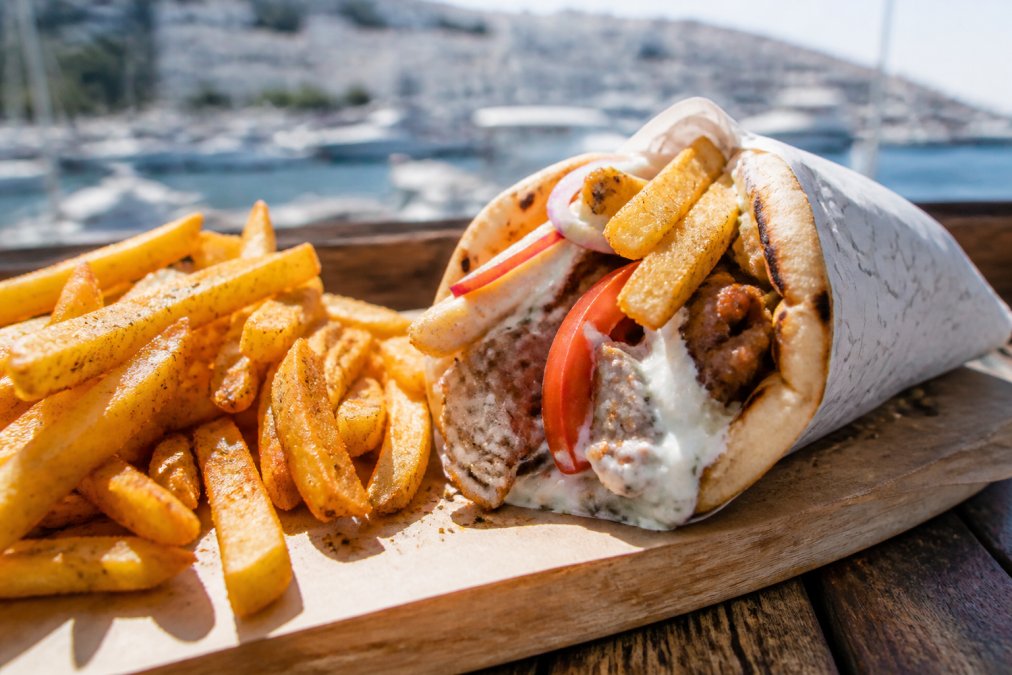
When you bite into an authentic gyro, you're tasting centuries of Mediterranean tradition compressed into a single handheld meal. But what separates a genuine gyro from a mass-produced imitation? The answer lies in three critical elements: the meat preparation, the spice profile, and the commitment to fresh ingredients prepared daily.
At Gyro Kingdom, we understand that authentic Greek street food starts with respect for the craft. A real gyro isn't assembled from pre-made components sitting under heat lamps. Instead, it begins with carefully selected meat that's seasoned, stacked on a vertical rotisserie, and cooked slowly as the exterior chars and crisps. The pita arrives warm and pliable, not stale. The tzatziki is made fresh, not bottled weeks prior.
The cultural foundation matters too. For generations, Greek vendors perfected this formula on the streets of Athens and beyond because it works. It's efficient, flavorful, and designed to be eaten on the go. When restaurants cut corners on any of these elements, they're not just serving cheaper food, they're abandoning the entire philosophy behind the dish.
This is where the price conversation becomes unavoidable. Authentic Greek street food costs more because it demands more: better meat, fresher vegetables, daily preparation, and skilled labor. The question isn't whether it's worth the price. The question is whether you're actually getting authentic food or a shortcut masquerading as tradition.
Authentic Lamb Gyro Recipe Components Explained
A lamb gyro is built on precision. Each component serves a specific purpose, and skipping quality on any single element undermines the whole dish. Understanding what goes into authentic preparation helps you spot the real thing.
The Meat Selection and Preparation
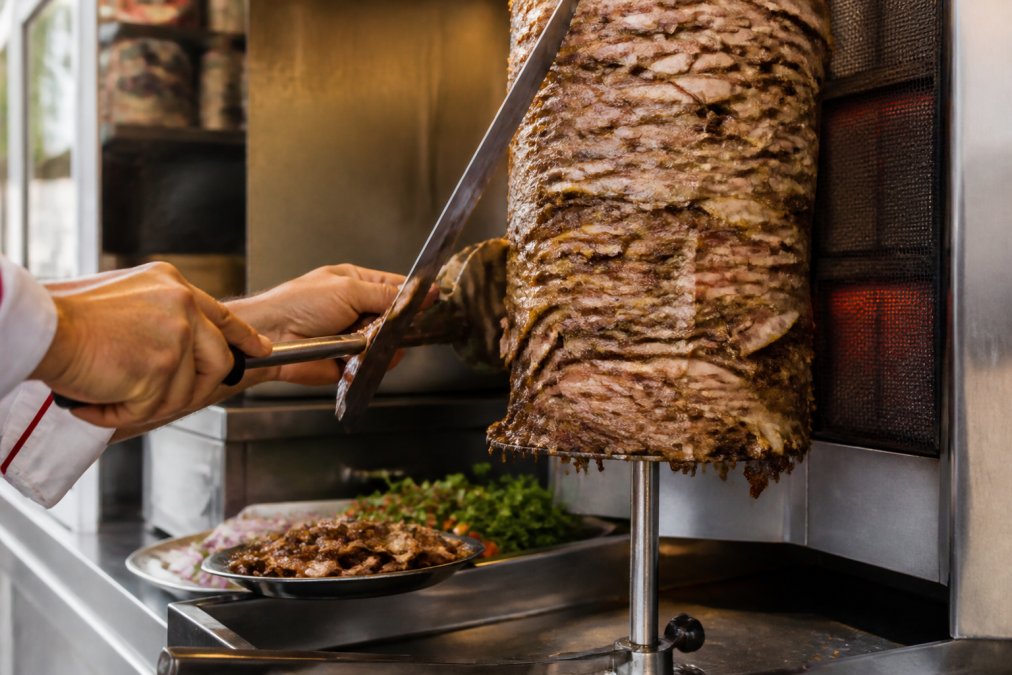
Lamb gyro meat starts with the cut. Authentic versions use a blend of ground lamb and beef, typically 70% lamb, 30% beef, combined with fat, spices, and binders. The meat is seasoned heavily with oregano, garlic, paprika, and black pepper, then mixed until the texture becomes slightly sticky. This mixture is packed onto a vertical rotisserie cone and cooked slowly, allowing the exterior to develop a crispy, caramelized crust while the interior stays moist.
The cooking method itself is non-negotiable. A gyro rotisserie spins continuously, and a skilled operator shaves thin, charred slices from the outer layer as it cooks. This process takes time, a single cone can take 6-8 hours to cook down properly. Quick-service restaurants that claim to make fresh gyros but don't use a proper rotisserie are taking shortcuts. They might be using pre-cooked meat reheated in a microwave or on a griddle, which produces a completely different texture and flavor profile.
Temperature control is another critical detail. The meat needs to reach an internal temperature of 165°F for food safety, but the exterior should be significantly hotter, around 180-190°F, to achieve that characteristic crust and browning. This requires active monitoring and skill.
Spice Blends and Flavor Foundations
The spice blend is what transforms ground meat into something extraordinary. Traditional Greek gyro seasoning includes oregano as the dominant note, supported by garlic, paprika, cumin, black pepper, and often a touch of cinnamon or nutmeg for depth. Some recipes include a pinch of cayenne for subtle heat. The proportions matter enormously, too much cumin overpowers; too little oregano and you lose the Greek identity entirely.
Many restaurants use pre-made spice mixes, which is fine if the mix itself is quality. The problem comes when vendors use generic "Mediterranean" seasonings that don't capture the specific profile of a Greek gyro. Authentic vendors either blend their own spices or source them from suppliers who specialize in Greek cuisine.
Salt content is also critical. The meat mixture needs enough salt to draw out proteins and create a cohesive texture when packed on the rotisserie, but too much salt makes the final product unpalatable. This balance is something experienced cooks develop through repetition.
The Pita and Supporting Elements
The pita bread is equally important as the meat. Authentic Greek pita for gyros is thinner and more delicate than the pita used for other applications. It should be warm and slightly flexible, with just enough structure to hold the meat and toppings without falling apart. Many restaurants use store-bought pita that's been sitting in a plastic bag for days, this is where quality immediately deteriorates.
Supporting elements include fresh tomatoes, onions, and tzatziki sauce. The tzatziki should be made from Greek yogurt, cucumber, garlic, dill, and olive oil, never mayonnaise-based substitutes. Tomatoes should be ripe and sliced fresh, not pre-cut and oxidized. Onions can be raw or grilled, depending on regional preference, but they should be crisp and flavorful.
The assembly itself is an art. A skilled gyro maker knows how much meat to shave, how much sauce to apply, and how to balance the components so each bite includes meat, pita, sauce, and fresh vegetables in the right proportion.
Price Inflation vs. Real Value in Street Food
The price of authentic Greek street food has increased noticeably over the past few years. Vendors cite rising costs for quality lamb, olive oil, and fresh produce. Some of this is legitimate, commodity prices fluctuate, and labor costs have risen. But some price increases reflect market dynamics rather than actual cost increases.
Here's where value-for-money analysis becomes essential. A gyro that costs $12-15 at an authentic vendor in a major city is more expensive than one from a casual chain charging $8-10. The difference isn't just in the meat quality, though that's significant. It's in the daily preparation, the use of fresh ingredients, and the skill required to execute the dish properly. This commitment to excellence extends to the pantry, where the reason high quality olive oil costs more becomes clear when you taste the difference in a finished dish.
When you pay more at an authentic vendor, you're paying for:
- Meat cooked fresh daily on a rotisserie, not pre-made and reheated
- Pita bread baked fresh or sourced from a Greek bakery, not mass-produced
- Tzatziki made that day, not bottled and shelf-stable
- Labor from someone who has trained for years to prepare the dish correctly
- Overhead costs of maintaining a proper rotisserie and ingredient inventory
The trap is thinking that a cheaper gyro from a tourist-oriented vendor is the same product at a discount. It usually isn't. You're often getting pre-made components assembled quickly, which tastes noticeably different. The bread is drier, the meat is less flavorful, the sauce is more acidic.
That said, pricing varies significantly by location. A gyro in a high-rent area will cost more than one in a neighborhood with lower overhead. A vendor in a tourist district will charge more than one serving primarily locals. These factors don't necessarily correlate with quality, though they do correlate with price.
The real value question: Does the gyro taste significantly better than the cheaper alternative?
How to Spot Authentic Vendors and Avoid Tourist Traps
Spotting an authentic gyro vendor requires attention to a few key signals. The most obvious is the rotisserie itself. A real gyro operation has a vertical rotisserie cone actively cooking. If you don't see one, or if the meat is being reheated from a container, that's a red flag.
The Cultural Significance Behind the Cost
Understanding why authentic Greek street food costs what it does requires understanding its role in Greek culture. The gyro isn't just food, it's a symbol of efficiency, community, and culinary democracy. It emerged in post-war Greece as an affordable, delicious way to feed working people. The dish was designed to be eaten quickly, by hand, on the street.
Dietary Accommodations Without Compromising Authenticity
Authentic Greek street food is naturally accommodating to many dietary preferences, though some require modification. The challenge is making changes without losing the core identity of the dish.
Conclusion
Authentic Greek street food is worth the price when you understand what you're paying for. You're investing in daily preparation, quality ingredients, skilled labor, and cultural tradition. The difference between a $9 gyro from a tourist trap and a $14 gyro from an authentic vendor isn't just a price tag, it's the difference between a rushed assembly and a carefully crafted meal.
Frequently Asked Questions
What defines authentic Greek street food ingredients?
Authentic Greek street food relies on high-quality, often locally sourced ingredients: lamb, chicken, or pork prepared with specific spice blends like oregano, garlic, and paprika; fresh pita bread made daily; and traditional toppings like tzatziki, tomatoes, and onions. The meat is typically marinated and slow-cooked on a vertical rotisserie, not pre-made in batches. Freshness and proper preparation distinguish authentic street food from mass-produced alternatives. When you eat authentic Greek street food, you're getting ingredients selected for flavor, not just cost savings.
How do high-quality meats impact the price of a gyro?
Premium cuts of lamb, chicken, or pork cost significantly more than budget alternatives, and quality directly affects taste and texture. Authentic gyro meat is marinated in specific spice blends and slow-cooked on a rotisserie until it develops a flavorful crust. Lower-quality meat often comes from less desirable cuts, requires more aggressive seasoning to mask flavor defects, and yields less usable meat per pound due to higher fat content. Freshly prepared gyros using quality meat also require skilled labor and proper equipment, adding to the final price. The difference between a $6 gyro and a $12 gyro often comes down to meat quality and preparation method.
Why does authentic preparation matter for Greek street food?
Authentic preparation, marinating meat for hours, slow-roasting on a vertical rotisserie, hand-tossing ingredients, and assembling to order, creates flavors and textures that quick-service shortcuts cannot replicate. A gyro made fresh takes time; pre-made gyros that sit under heat lamps lose moisture and flavor. Traditional methods also ensure food safety through proper temperature control and handling. When restaurants cut corners to lower prices, they typically skip marination time, use lower-quality meat, or reheat pre-cooked portions. Authentic preparation is labor-intensive and requires skilled staff, which is why it costs more but delivers a genuinely better meal.
Are fresh, locally sourced ingredients worth the premium in Mediterranean cuisine?
Yes, when sourcing is genuine. Fresh, locally sourced ingredients in authentic Greek street food deliver superior flavor, better nutritional value, and support local producers. Tomatoes, herbs, and dairy products taste dramatically different when fresh versus shipped long distances. However, 'locally sourced' is sometimes marketing language. True authenticity means ingredients chosen for quality and flavor, not just origin. A restaurant using fresh pita made daily, hand-marinated meat, and freshly chopped vegetables will charge more than one using pre-made components. The premium is justified when quality is real, taste the difference yourself to confirm before paying extra.