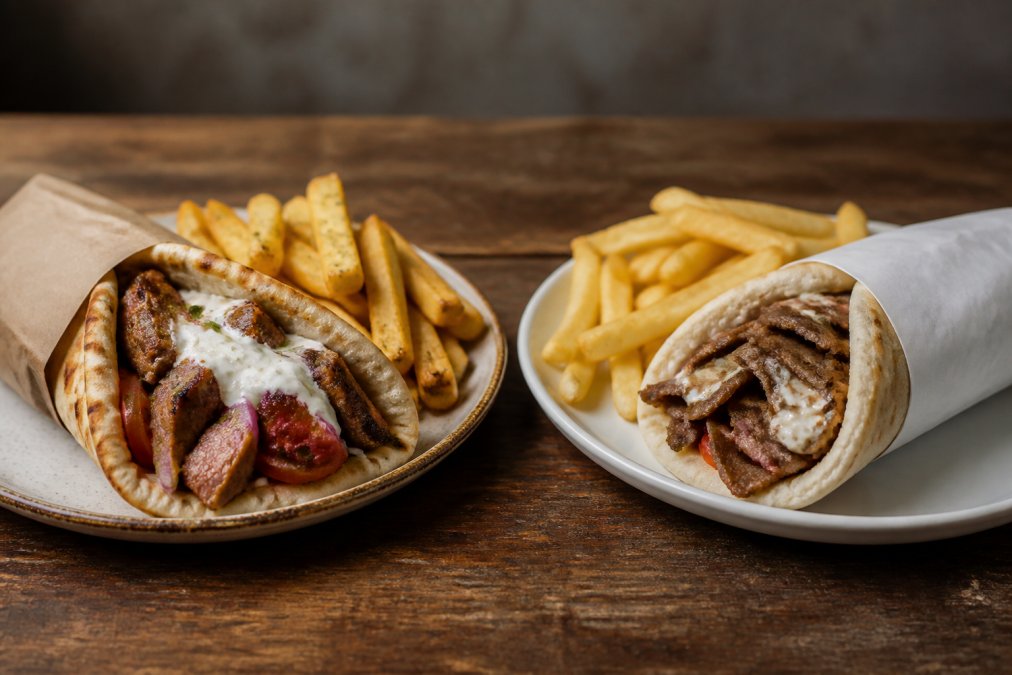
 comparison
Price vs Quality in Greek Food: What You're Really Paying For
Table of Contents
- What Defines Authentic Greek Flavor
- Price vs Quality in Greek Food: The Real Difference
- Signs of High Quality Greek Ingredients
- Cost of Fresh vs Frozen Gyro Meat: What Changes
- How Inflation and Rising Food Costs Affect Restaurant Pricing
- Evaluating Value for Money Beyond the Price Tag
- Why Authentic Greek Restaurants Cost More Than Budget Alternatives
- Frequently Asked Questions
Last Updated: August 21, 2026
What Defines Authentic Greek Flavor
Authentic Greek cuisine rests on simplicity and quality ingredients. Fresh, properly sourced components prepared using traditional methods create unmistakable flavor that cannot be replicated through seasoning alone. Olive oil, feta cheese, fresh vegetables, seafood, and herbs like oregano form the backbone of nearly every traditional recipe.
A gyro made with high-quality meat, wrapped in fresh pita, and topped with real tzatziki tastes fundamentally different from one assembled with frozen components and shortcuts. The difference isn't subtle, it's the gap between a memorable meal and one you forget before leaving the restaurant.
Price vs Quality in Greek Food: The Real Difference
The relationship between price and quality in Greek food is not linear. A higher price doesn't guarantee authenticity, but significantly lower prices almost always indicate compromises in the supply chain.
Budget-friendly Greek restaurants reduce costs through frozen ingredients and pre-made components. Frozen gyro meat costs less than fresh-prepared versions and produces drier, less flavorful results. Pre-packaged tzatziki is cheaper than making it daily from Greek yogurt and cucumbers. Mid-range establishments balance fresh proteins with frozen vegetables or vice versa. Premium restaurants invest in fresh ingredients across the board, sourcing imported feta, quality olive oil, and daily-prepared sauces.
The real difference between price tiers shows up in consistency. Budget options may deliver acceptable quality occasionally, but premium restaurants maintain standards across every order.
Signs of High Quality Greek Ingredients
Feta cheese should be crumbly and distinctly tangy. Real Greek feta has Protected Designation of Origin status when produced in specific regions, guaranteeing production standards (europa.eu). "Feta-style cheese" signals the restaurant isn't using authentic feta.
Olive oil should be extra virgin with a green color and peppery finish. Low-quality olive oil tastes flat or slightly rancid. Greek restaurants using quality olive oil feature it prominently, drizzled over dishes or offered for bread dipping.
Fresh vegetables should be vibrant. Tomatoes should be ripe with visible color variation, cucumbers crisp, and lettuce green and fresh. Herbs like oregano, dill, and parsley should be fresh whenever possible, with strong, pleasant aroma.
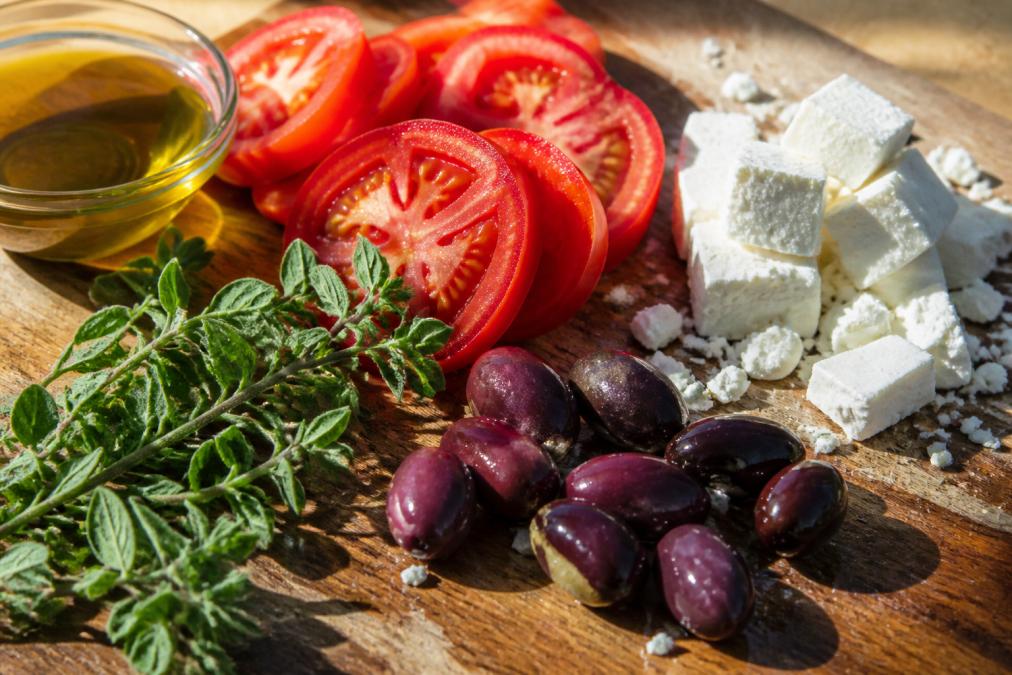
Protected Designation of Origin and Quality Standards
Protected Designation of Origin (PDO) and Protected Geographical Indication (PGI) labels indicate that products meet strict European standards for origin and production methods. Greek feta with PDO certification must be produced in specific regions using traditional methods with milk from Greek sheep and goats.
Kalamata olives with PDO certification come from the Kalamata region and are cured using traditional methods. Other olives labeled "Kalamata-style" may come from anywhere and taste significantly different.
When restaurants source ingredients with PDO or PGI certification, they're prioritizing authenticity, which typically increases ingredient costs and appears in menu pricing.
Cost of Fresh vs Frozen Gyro Meat: What Changes
Fresh gyro meat is prepared daily, seasoned, shaped into a loaf, and cooked on a vertical rotisserie (peer-reviewed research). As the exterior browns, it's sliced off and served immediately, creating meat with a crispy exterior and tender interior.
Frozen gyro meat is pre-cooked, frozen, and reheated when ordered. The freezing process affects texture, ice crystals form within muscle fibers, and when thawed and reheated, the meat becomes drier. The exterior doesn't re-crisp the same way fresh meat does.
The cost difference is substantial. Fresh gyro meat requires daily preparation and skilled labor. Frozen gyro meat can be purchased in bulk and stored for months. Fresh gyro meat stays warm longer and maintains texture through eating. Frozen meat cools faster and becomes increasingly dry as it sits.
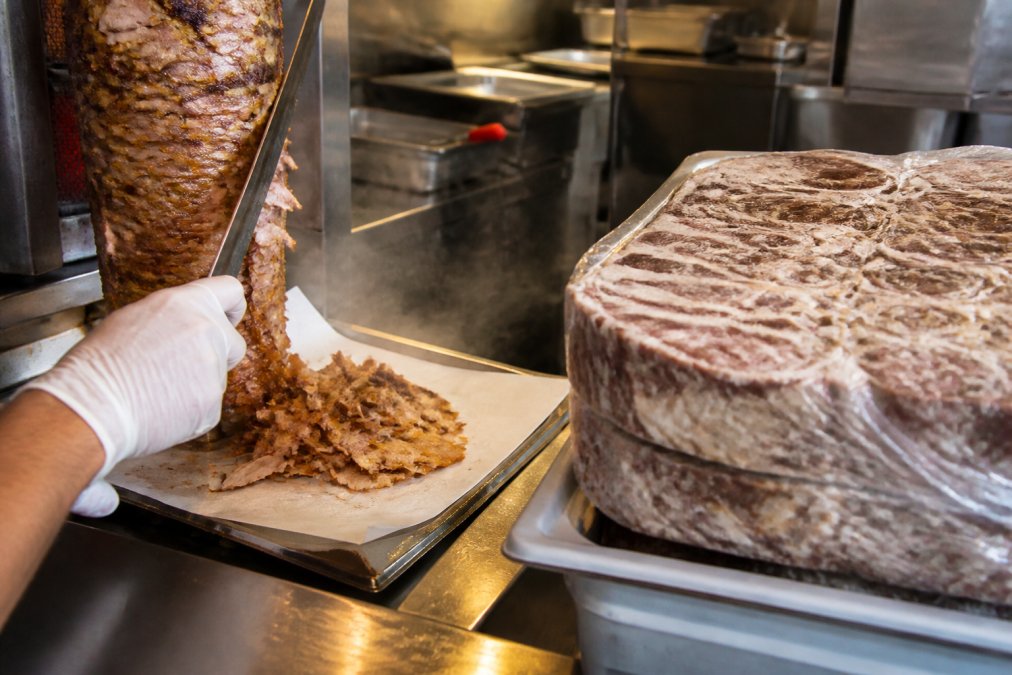
Gyro Kingdom prepares fresh gyro meat daily with your choice of chicken, lamb, beef, or pork, ensuring every order delivers the texture and flavor that makes gyros memorable.
How Inflation and Rising Food Costs Affect Restaurant Pricing
Food inflation impacts restaurant pricing, but the effect varies based on ingredient sourcing and operational efficiency. Imported Greek ingredients face particular pressure from inflation. Feta cheese, olive oil, and specialty items must be imported or sourced through specialty distributors. Transportation costs, tariffs, and currency fluctuations all affect the final price restaurants pay.
Labor costs have risen substantially across food service. Fresh ingredient preparation requires skilled labor. A restaurant preparing fresh gyro meat daily and assembling each order individually has higher labor costs than one using frozen components.
Energy costs affect restaurants that cook to order differently than those using pre-prepared components. Keeping a rotisserie running all day costs more than reheating frozen items.
According to the U.S. Bureau of Labor Statistics food price data, food costs have experienced significant volatility in recent years, with imported goods particularly affected by supply chain disruptions and currency fluctuations.
Evaluating Value for Money Beyond the Price Tag
Value for money in Greek food extends beyond the menu price. A gyro from a restaurant using fresh ingredients, prepared daily, and served with generous portions represents better value than a gyro made from frozen meat and pre-packaged components.
Consistency determines long-term value. A restaurant that delivers excellent quality every visit represents better value than one where quality varies dramatically. Restaurants that prioritize quality ingredients typically offer generous portions because ingredient costs are already built into pricing.
The dining experience contributes to value perception. A welcoming atmosphere, attentive service, and clean facilities add value beyond the food itself. Restaurants that invest in their physical space and staff training typically also invest in ingredient quality.
Frequency of dining affects which price tier offers best value. If you eat Greek food once monthly, premium restaurants make sense. If you eat Greek food weekly, mid-range restaurants with good quality-to-price ratios might serve you better.
Why Authentic Greek Restaurants Cost More Than Budget Alternatives
Authentic Greek restaurants have higher costs across multiple dimensions. Ingredient sourcing is the primary cost driver. Authentic Greek restaurants import feta, olive oil, and specialty items from Greece or source them through specialty distributors, paying significantly more than restaurants using domestic alternatives.
Daily preparation requires skilled labor. A chef preparing fresh gyro meat and making tzatziki daily requires higher wages than staff operating a heat-and-serve operation. Waste from fresh ingredient preparation is higher than from pre-prepared components. Fresh vegetables have trim waste, and fresh meat has preparation waste.
Equipment investment differs significantly. A vertical rotisserie for fresh gyro meat costs thousands of dollars and requires maintenance. Sourcing relationships require ongoing investment through communication, custom orders, and loyalty.
Menu pricing reflects these real cost differences. When an authentic Greek restaurant charges more than a budget alternative, that premium typically aligns with actual cost differences.
Gyro Kingdom's commitment to fresh ingredients and generous portions reflects these operational realities. Using fresh-prepared gyro meat daily, sourcing quality ingredients, and maintaining a welcoming atmosphere requires investment that appears in menu pricing.
Choosing between price and quality in Greek food depends on what you value in the dining experience. If you prioritize authentic flavor, fresh ingredients, and consistent quality, premium Greek restaurants deliver genuine value despite higher menu prices.
Gyro Kingdom invites you to experience authentic Greek cuisine prepared fresh daily with ingredients we're proud to serve. Visit us today and discover why quality ingredients and traditional preparation methods create meals worth returning for.
Frequently Asked Questions
How can I tell if a Greek restaurant uses fresh ingredients versus frozen or pre-made components?
Fresh Greek food shows clear signs: gyro meat should be sliced to order from a vertical rotisserie, not pre-sliced or reheated. Tzatziki should taste bright and herbaceous, made from real yogurt and fresh dill or mint. Salads feature ripe tomatoes and crisp cucumbers, not wilted vegetables. Ask directly about sourcing, restaurants using quality, fresh ingredients are proud to share that. Authentic spots prepare daily specials based on ingredient availability, and their menus reflect seasonal changes rather than staying identical year-round.
Does a higher price always mean better quality in Greek food?
Not necessarily, but price and quality correlate more often than not in Greek dining. Higher prices typically reflect fresh ingredient sourcing, daily preparation, skilled labor, and genuine culinary authenticity. However, some restaurants mark up prices due to location or branding rather than ingredient quality. Evaluate the quality-to-price ratio by examining what you receive: portion size, ingredient freshness, preparation method, and flavor complexity. A moderately priced gyro made fresh daily from quality meat offers better value than a cheaper option made from frozen, pre-cooked components.
What role do fresh versus frozen ingredients play in the cost of Greek food?
Fresh ingredients cost significantly more than frozen alternatives due to sourcing, storage, and shorter shelf life. Fresh gyro meat requires daily preparation and proper rotisserie equipment; frozen meat can be thawed and reheated cheaply. Fresh vegetables, feta cheese, and herbs demand consistent supply chain investment. Restaurants using fresh ingredients must also manage waste from spoilage. This cost difference directly affects menu pricing, but fresh ingredients deliver superior flavor, texture, and nutritional value. The gastronomic experience, taste, aroma, and satisfaction, justifies the price premium for authentic Greek cuisine.
How do I evaluate the value for money of a Greek meal beyond just looking at price?
Consider portion size, ingredient quality, preparation method, and the overall dining experience. Generous portions of fresh ingredients offer better value than small servings of frozen components. Check for quality indicators like Protected Designation of Origin (PDO) labels on feta or olive oil, which signal regulated production standards. Evaluate flavor complexity, authentic Greek food should taste balanced and herbaceous, not bland or overly salty. Factor in service quality and atmosphere. A slightly higher-priced meal that leaves you satisfied, energized, and wanting to return provides superior value compared to a cheap meal that disappoints.