 listicle
Best Greek Appetizers for Summer Gatherings in 2026
Table of Contents
- Why Greek Appetizers Are Made for Summer Entertaining
- The Essential Greek Appetizer Spread: 10 Crowd-Pleasers
- Easy Greek Meze Platter Ideas for a No-Fuss Party
- How to Host a Greek Themed Party: A Step-by-Step Plan
- Summer Drink Pairings to Beat the Heat
- Dietary Customization and Outdoor Food Safety Tips
- Your Summer Feast Awaits
- Frequently Asked Questions
Last Updated: September 7, 2026
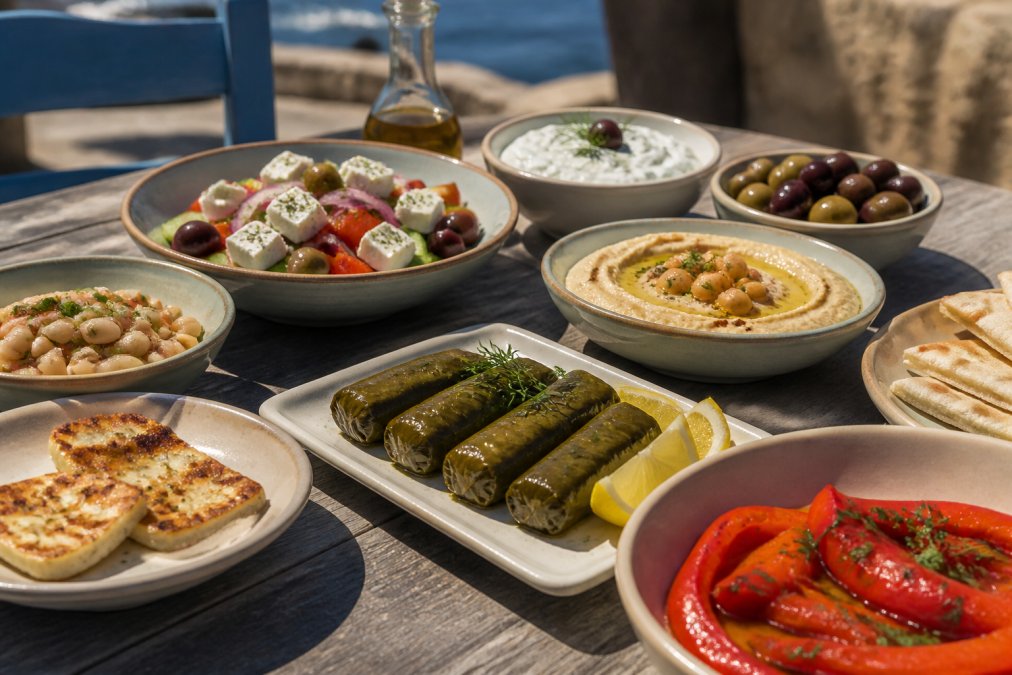
When summer heat settles over the Jersey Shore, no one wants a heavy meal. The best greek appetizers for summer gatherings solve that: fresh vegetables, cooling yogurt, briny olives, and flaky pastry taste as good outdoors as at a dinner table. At Gyro Kingdom, we build our menu around these flavors and put together this guide to the appetizers that perform best when the party moves outside.
Below, we outline ten appetizers that anchor a great spread, show how to assemble a no-fuss meze platter, and walk through a step-by-step hosting plan with drink pairings and food safety tips.
Why Greek Appetizers Are Made for Summer Entertaining
Greek appetizers are built around ingredients that thrive in warm weather: cucumber, tomato, fresh dill, lemon, and extra virgin olive oil. The cuisine leans on finger food and sharing plates, so guests never juggle a knife and fork while mingling.
This cuisine also has a make-ahead advantage: dips like tzatziki and tirokafteri improve after a few hours in the fridge, and dolmades are served cold or at room temperature. Do nearly all the work in the cool of the morning and arrange everything when guests arrive.
The Essential Greek Appetizer Spread: 10 Crowd-Pleasers
A great Greek appetizer spread balances texture, temperature, and flavor. The ten dishes below cover all of those bases.
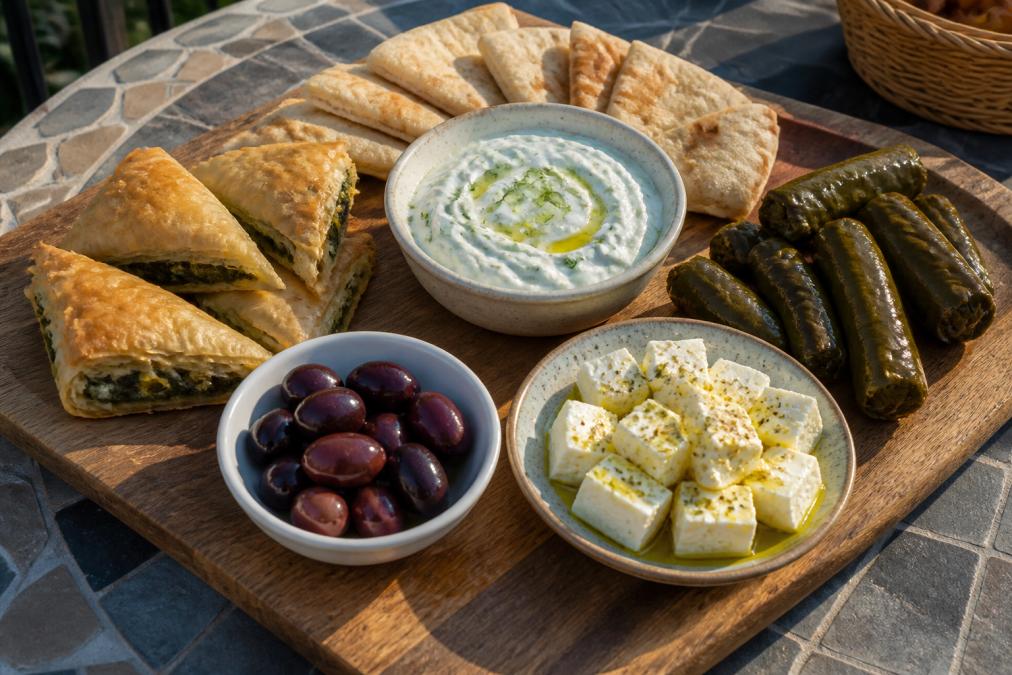
- Tzatziki - A cooling dip made from Greek yogurt, shredded cucumber, garlic, and fresh dill. The high-protein yogurt base and hydrating cucumber make it the perfect antidote to summer heat.
- Tirokafteri - A spicy feta dip whipped with roasted hot peppers. It is creamy, tangy, and brings a bold kick to the table.
- Spanakopita phyllo cups - A bite-sized take on the classic spinach and feta pie. Pre-made phyllo shells keep this version quick, and they deliver the same crispy, savory result.
- Saganaki - Fried cheese, typically graviera or kefalotyri, served hot with a squeeze of lemon. It is simple, dramatic, and always a crowd favorite.
- Keftedes - Greek meatballs seasoned with fresh mint and oregano. They are light, tender, and perfect for dipping in tzatziki.
- Dolmades - Grape leaves stuffed with herbed rice. Served cold, they are naturally gluten-free and can be made days ahead.
- Dakos - A Cretan meze of barley rusk topped with crumbled feta, chopped tomato, and olive oil. It is rustic, fresh, and full of texture.
- Greek salad skewers - Cherry tomatoes, cucumber, kalamata olives, and feta on a stick. They turn the classic salad into portable finger food.
- Grilled feta with herbs - A block of feta grilled until soft and warm, finished with olive oil and fresh herbs. Serve it with crusty bread for dipping.
- Pita bread with olive oil - The essential vehicle for every dip on the table. Warm it briefly on the grill for a lightly charred, fragrant result.
Cooling Dips: Tzatziki and Tirokafteri
The dip duo of tzatziki and tirokafteri is the heart of any Greek appetizer spread. Tzatziki offers refreshing, garlicky coolness; tirokafteri delivers creamy, tangy heat. Together they give guests a choice between mild and bold, and both pair perfectly with warm pita and raw vegetables.
Easy Greek Meze Platter Ideas for a No-Fuss Party
A meze platter is the ultimate summer party move: a single, self-service focal point that eliminates plated courses. The best platters are built with intention, balancing color, texture, and temperature while keeping the host out of the kitchen.
The 3-2-1 Formula for a Balanced Board
For a summer gathering of 8 to 12 people, use the 3-2-1 formula: three dips, two prepared bites, and one fresh element.
- 3 dips: Tzatziki, tirokafteri, and a third option like melitzanosalata (smoky eggplant dip) or hummus. Dips are the cheapest and most make-ahead-friendly component of the entire spread.
- 2 prepared bites: Choose one hot item (spanakopita phyllo cups or keftedes) and one cold item (dolmades or marinated octopus if you are splurging).
- 1 fresh element: A pile of Greek salad skewers, sliced cucumbers, radishes, or cherry tomatoes provides a hydrating, crunchy counterpoint to the richer items.
Quantities That Actually Feed a Crowd
For a 2-hour cocktail-style gathering where meze is the main event, plan for 6 to 8 total bites per person. That translates to roughly:
- 1 cup of dip per 4 guests. A 12-ounce container of tzatziki serves about 4 people generously. For 12 guests, you need three dips at that size.
- 3 to 4 pieces of pita per person. Warm, charred pita disappears fast. Buy 2 large pitas per guest and cut each into 4 wedges.
- 4 to 5 ounces of feta per person if you are serving it as a block or in skewers.
- 1 pound of olives for every 8 guests. Mix kalamata and green olives for color contrast.
The Budget-Friendly Summer Board
Greek appetizers are naturally economical because the most expensive ingredients, feta, olives, and olive oil, are accents rather than the base. To keep a spread for 12 under $60:
- Make your own tzatziki and tirokafteri. A 32-ounce tub of whole-milk Greek yogurt costs about $6 and yields 4 cups of tzatziki (bls.gov). The same amount of prepared tzatziki from a deli would cost $20 or more.
- Buy feta in a block, not crumbled. Block feta is cheaper per ounce and holds up better on a platter. Crumbled feta is often coated in anti-caking agents that dull the flavor.
- Use canned dolmades for a shortcut. A 16-ounce jar of quality imported dolmades costs about $7 and serves 6 to 8 people as part of a spread. Rinse them briefly to remove excess brine.
- Stretch the meat. If you are making keftedes, use a 50/50 blend of ground lamb and beef, and bulk them up with grated onion and soaked breadcrumbs. A pound and a half of meat yields 24 to 30 small meatballs.
The Board-Building Sequence
Follow this order for a professionally styled platter:
- Place the dip bowls first. Set them at the corners or in a zigzag pattern, not all clustered in the center. This forces guests to move across the board and prevents a traffic jam.
- Add the large, structural items. Arrange the pita wedges in a fan along one edge, and place the bowl of olives or the block of grilled feta in the center.
- Fill the gaps with the fresh elements. Tuck cucumber slices, cherry tomatoes, and radish halves into the empty spaces. This is what makes the board look abundant rather than sparse.
- Add the prepared bites last. Place the hot spanakopita cups or keftedes in small clusters so they do not steam and soften the pita.
- Drizzle and garnish. A final drizzle of olive oil over the feta, a sprinkle of dried oregano, and a few fresh mint leaves add a restaurant-quality finish.
A well-built meze platter is the most forgiving format for summer entertaining: it tolerates late arrivals, different eating paces, and lingering guests.
How to Host a Greek Themed Party: A Step-by-Step Plan
Hosting a Greek-themed summer party is about managing heat, timing, and food safety risks from dairy-heavy dips and fried items outdoors. This plan is built around a 4:00 PM start on a hot day.
The 6-Hour Countdown
10:00 AM, The Morning Prep Block (2 hours)
Do all chopping, mixing, and assembling before the day heats up. Make the dips. Grate the cucumber for tzatziki, salt it, and squeeze it dry to prevent a watery dip. Assemble the Greek salad skewers and store them covered with a damp paper towel. Roll the spanakopita phyllo cups and keep them unbaked in the refrigerator on a parchment-lined tray.
12:00 PM, The Chill and Set-Up Block (1 hour)
Move all cold items to the refrigerator. If serving dolmades, transfer them to a serving dish and let them come to room temperature slowly. Set up the drink station with a cooler or galvanized tub filled with ice. Pre-chill the white wine and rosé. If serving ouzo, set out small glasses and a pitcher of ice water.
2:00 PM, The Outdoor Safety Setup (30 minutes)
This is the step most hosts skip, and it matters most in summer. Set up the serving table in the shade, or use a pop-up canopy. Place a large rimmed baking sheet on the table and fill it with a single layer of ice. Nestle the dip bowls directly into the ice so the sides are chilled, not just the bottom, keeping tzatziki and tirokafteri at a safe temperature.
3:30 PM, The Final Assembly (30 minutes)
Arrange the meze platter using the sequence described above. Keep hot items, saganaki and keftedes, in the refrigerator or on a tray in the kitchen until the last minute. Do not put them out more than 15 minutes before guests arrive.
4:00 PM, Guests Arrive
Put out cold items and dips first. Start frying saganaki in batches of two or three pieces at a time. It is a 90-second dish, from pan to plate to guest within minutes. Serve with lemon wedges already cut and a warning that the cheese is molten hot.
5:30 PM, The Hot Food Wave
Bake the spanakopita cups and fry the keftedes in batches rather than all at once. A batch of 12 phyllo cups takes 12 to 15 minutes in a 375°F oven; time the second batch to come out as the first disappears. This staggered approach keeps a warm, crispy item on the table without tethering the host to the oven.
The 90°F Rule and the Two-Hour Window
Perishable items like yogurt-based dips, feta, and cooked meats should not sit at room temperature for more than two hours. Above 90°F, that window shrinks to one hour, and in July and August, most of the country is above 90°F by mid-afternoon (usda.gov).
Here is how to work within that window:
- Use the ice-bath method for all dairy. Tzatziki, tirokafteri, and feta blocks all go into bowls nested in ice. Check the ice level every 45 minutes and top it off.
- Serve fried items in small waves. Put out 6 to 8 pieces of saganaki or keftedes at a time. When the plate empties, bring out the next batch from the kitchen. This prevents a large tray of food from sitting in the sun and entering the danger zone.
- Label the platters with a start time. A simple piece of masking tape with the time written on it tells you when the two-hour window expires. This is a habit professional caterers use, and it removes the guesswork.
- Have a backup plan for leftovers. Do not leave perishables out to be picked at all afternoon. At the two-hour mark, clear the dairy items and move them to the refrigerator. Non-perishable items like olives, pita, and raw vegetables can stay out longer.
The Cleanup Strategy That Keeps You at the Party
Minimize post-party work with this system:
- Use disposable bamboo or palm leaf plates. They look rustic and match the Mediterranean aesthetic while eliminating dishwashing.
- Line the serving board with parchment. When the board is cleared, you can lift the parchment and toss it, leaving only a quick wipe-down.
- Designate a clear-and-store station. Set up a small table near the kitchen with a trash bin, a recycling bin, and a bin for dirty serving utensils. Guests naturally clear their own plates if the station is obvious.
- Refrigerate dips in their serving bowls. Cover them with plastic wrap and put them straight in the fridge. Transferring to new containers is a second step that often gets skipped, leading to wasted food.
With this plan, the host spends the party with the guests.
Summer Drink Pairings to Beat the Heat
The right drinks cut through the richness of fried cheese and olive oil while complementing fresh herbs and citrus. An ice-cold glass of ouzo with water is the classic choice, turning milky white as it dilutes, but it is not for everyone.
A better bet for a crowd is a chilled white wine with good acidity, which stands up to garlic and feta. For non-alcoholic options, a pitcher of iced Greek coffee or sparkling water with lemon and fresh mint keeps guests cool. Offer variety and keep everything well chilled.
Dietary Customization and Outdoor Food Safety Tips
A Greek appetizer spread is easy to adapt for dietary needs. Dolmades and tzatziki are gluten-free as written; spanakopita and dakos contain wheat. For dairy-free, grilled vegetables and marinated olives fill the gap left by feta-heavy dishes. Labeling platters helps guests with restrictions eat confidently.
Outdoor food safety deserves just as much attention as the menu. The same USDA guidelines on safe food handling during summer events that apply to picnics and cookouts matter here: perishable items like yogurt-based dips should not sit at room temperature for more than two hours, and that window shrinks to one hour when the temperature climbs above 90°F. Keep dips in bowls nestled over ice, serve fried items in small batches, and refrigerate leftovers promptly. A little planning prevents a beautiful spread from becoming a source of regret.
Your Summer Feast Awaits
Putting together a memorable spread of the best greek appetizers for summer gatherings does not require a culinary degree or an all-day cooking marathon. It requires a smart mix of make-ahead dips, a few crispy bites, plenty of fresh produce, and a relaxed attitude toward hosting.
If the idea of preparing all of this from scratch feels overwhelming, let Gyro Kingdom handle the cooking. We serve freshly made gyros daily with your choice of chicken, lamb, beef, or pork, alongside other traditional Mediterranean classics, all crafted from fresh ingredients with generous portions. We also offer exceptional catering for events of any size, so your next summer gathering can feature authentic Greek flavors without the kitchen work. Try it today and bring the taste of Greece to your table.
Frequently Asked Questions
What is a good appetizer to bring to a summer party?
For a summer party, bring something that holds up well in the heat and needs no last-minute fuss. Greek salad skewers are a top choice: they are portable, pre-portioned, and visually appealing. Tzatziki with fresh pita chips is another reliable option that feels refreshing. Both can be assembled ahead of time. If you want something more filling, keftedes (Greek meatballs) served at room temperature are a crowd-pleaser. For a truly effortless option, order a platter of Greek appetizers from a local spot like Gyro Kingdom to ensure everything is fresh and authentic.
What is the most popular appetizer in Greece?
Tzatziki is arguably the most popular and iconic Greek appetizer. This creamy dip combines Greek yogurt, shredded cucumber, garlic, fresh dill, and a splash of extra virgin olive oil. It is a staple at nearly every gathering because it is refreshing, tangy, and pairs perfectly with warm pita bread or fresh vegetables. Its cooling nature makes it particularly welcome during the hot summer months. While spanakopita and dolmades are also beloved classics, tzatziki is the dip that anchors most meze platters and appears on tables from casual picnics to formal dinners.
How do you build a traditional Greek meze platter?
Start with a large board or platter and place a few bowls for dips first: tzatziki, tirokafteri (spicy feta dip), and maybe a simple olive oil and oregano bowl for bread. Arrange warm pita wedges around the dips. Fill the remaining space with small plates of mezedes: spanakopita triangles, dolmades, keftedes, and slices of saganaki. Add bright, fresh elements like cucumber slices, cherry tomatoes, and kalamata olives. Finish with a block of feta drizzled with olive oil and a sprinkle of oregano. The goal is variety in color, texture, and temperature.
Can I make Greek appetizers ahead of time for a party?
Yes, many Greek appetizers are ideal for make-ahead preparation. Tzatziki and tirokafteri can be made up to two days in advance and stored in the refrigerator. Dolmades actually taste better after resting for a day, allowing the flavors to meld. Keftedes can be shaped and refrigerated overnight before cooking. Spanakopita can be assembled and frozen before baking. For the easiest route, consider ordering a catering spread from a restaurant like Gyro Kingdom, which prepares everything fresh so you can focus on hosting rather than spending the party in the kitchen.