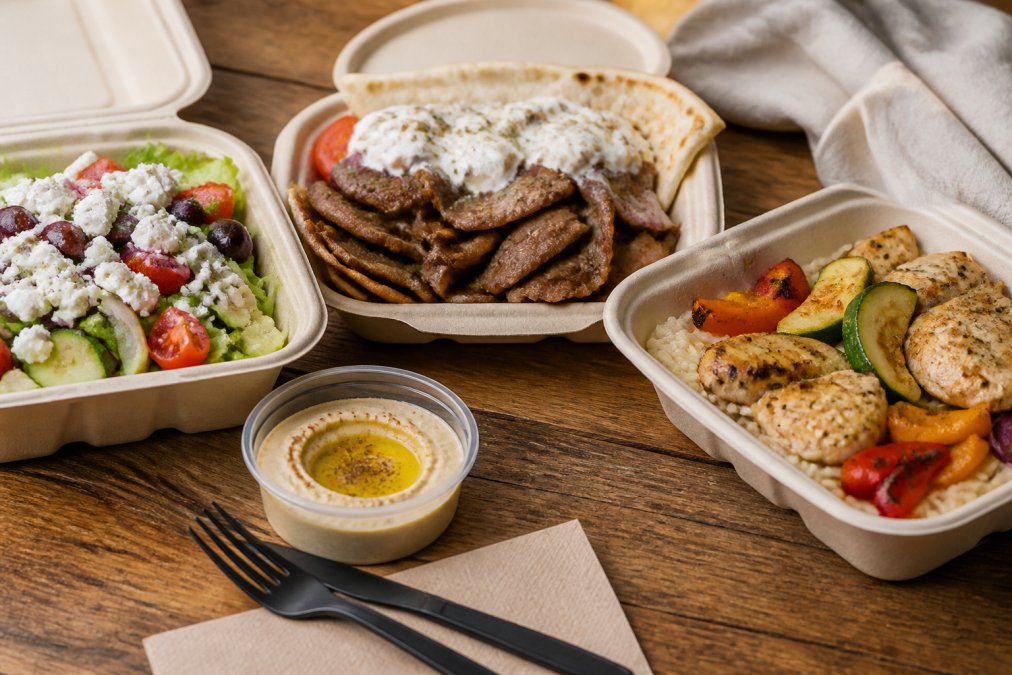
 listicle
Mediterranean Diet Friendly Takeout Options
Table of Contents
- Why Mediterranean Diet Friendly Takeout Matters
- Gyro Kingdom: Authentic Greek Takeout with Fresh Ingredients
- Mediterranean Diet Fast Food Menu Items at Major Chains
- How to Order Healthy Takeout: Your Mediterranean Strategy
- Quick Ordering Scripts for Mediterranean Meals
- Budget-Friendly Mediterranean Takeout Without Compromise
- Conclusion
- Frequently Asked Questions
Last Updated: August 22, 2026
Why Mediterranean Diet Friendly Takeout Matters
Eating well while managing a busy life feels impossible. You're juggling work, family, and errands while trying to maintain meals aligned with the Mediterranean diet, consistently linked to heart health and longevity (the WHO). Most people don't have time to cook from scratch every night, making takeout options essential.
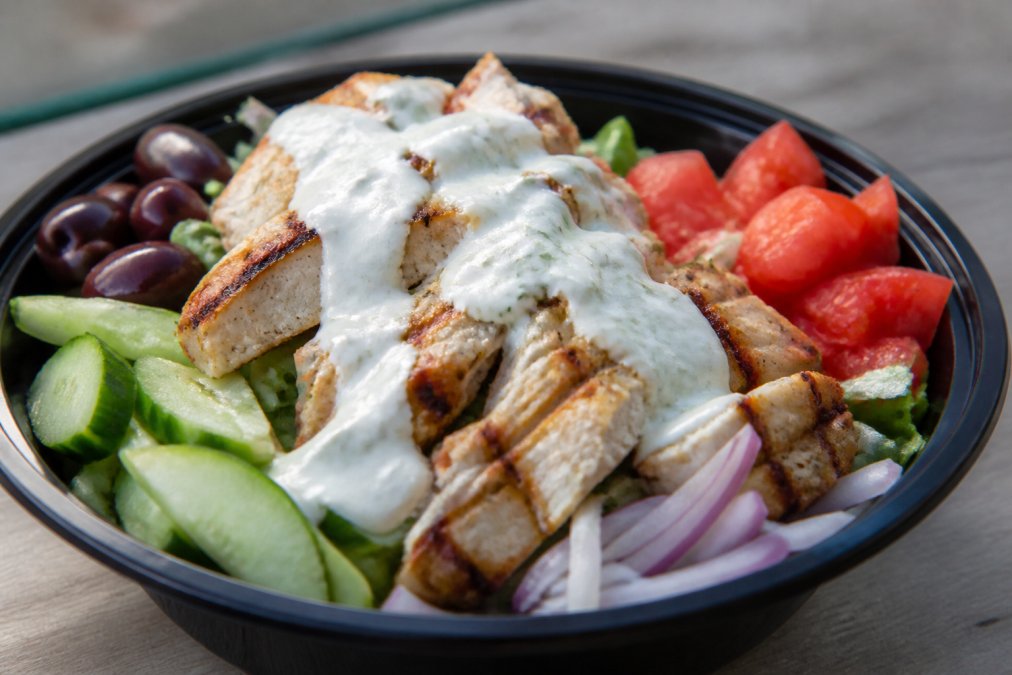
The Mediterranean diet emphasizes whole grains, lean proteins, abundant vegetables, healthy fats like olive oil, and legumes (peer-reviewed research). Major chains and specialized Mediterranean restaurants now offer customizable options that let you build meals aligned with these principles. At Gyro Kingdom, we've spent years perfecting authentic Mediterranean takeout using fresh, high-quality ingredients daily, proving that convenience and nutrition aren't mutually exclusive.
The challenge isn't finding takeout, it's knowing which restaurants offer real Mediterranean food versus marketing hype. Many chains claim "Mediterranean" options while hiding sodium, processed oils, and refined grains in dressings and preparations. This guide shows you exactly where to find legitimate Mediterranean diet friendly takeout, what to order at each place, and how to navigate menus strategically.
Gyro Kingdom: Authentic Greek Takeout with Fresh Ingredients
Gyro Kingdom stands apart because every gyro is made fresh daily with your choice of chicken, lamb, beef, or pork, no pre-made batches sitting under heat lamps. Fresh preparation means you control exactly what goes into your meal, and the restaurant isn't relying on processed fillings or preservatives.
The customization options align perfectly with Mediterranean diet principles. You choose your protein, base (pita, salad, or bowl), vegetables, and sauce. Load up on leafy greens, tomatoes, cucumbers, and onions, all Mediterranean staples. The tzatziki sauce, made with yogurt and herbs, provides healthy fats and probiotics without refined oils found in most chain dressings.
What sets Gyro Kingdom apart is the commitment to quality over volume. Generous portions come from premium ingredients, not filler. The lamb and beef are properly seasoned and grilled, not processed into uniform patties. Ask for extra vegetables instead of extra sauce, request your protein grilled without added oil, or build a bowl instead of using pita to reduce refined carbs. These aren't special requests that create friction, they're normal modifications at a restaurant that respects dietary intentions.
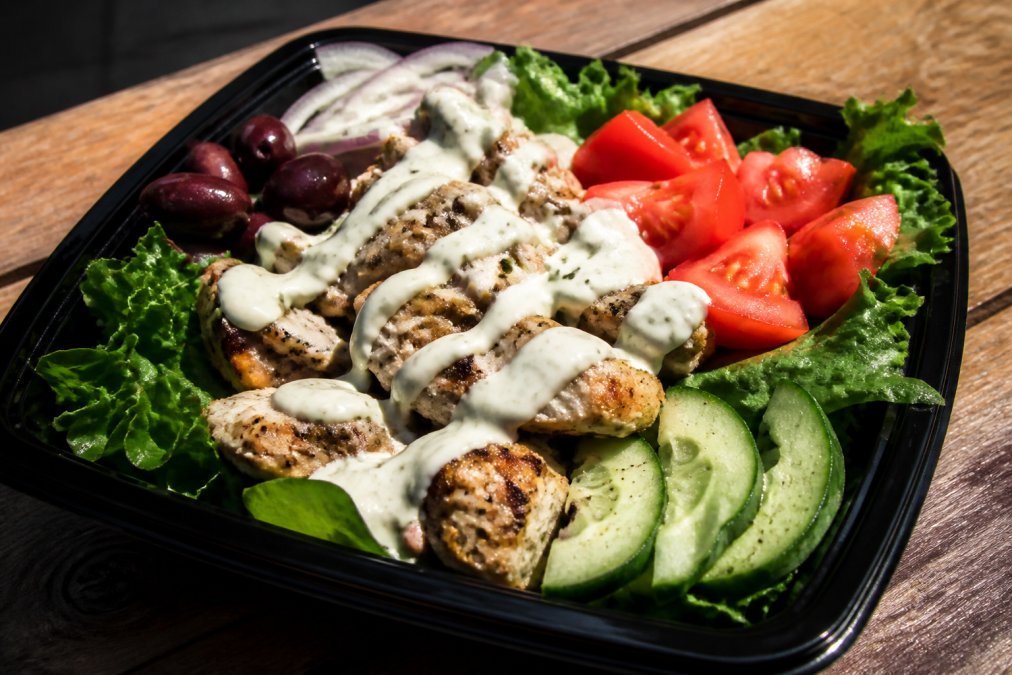
Mediterranean Diet Fast Food Menu Items at Major Chains
Most major chains have added Mediterranean-inspired options to their menus, though quality varies wildly. The key is knowing which items actually align with Mediterranean principles and which ones are just marketing.
CAVA: Build-Your-Own Mediterranean Bowls
CAVA's entire concept revolves around Mediterranean ingredients and customization. You start with a base (grains, salads, or a mix), then build from there: proteins, vegetables, dips, and toppings. This structure forces intentional choices rather than accepting pre-designed meals.
The grain options include brown rice, quinoa, and farro, all fiber-rich whole grains supporting satiety and stable blood sugar. Protein choices span grilled chicken, salmon, falafel, and lamb kafta. The vegetable selection always includes leafy greens, roasted vegetables, and fresh produce. Dips like hummus, tzatziki, and roasted eggplant deliver healthy fats from tahini and olive oil.
The challenge is that dressings and some toppings can add sodium and refined oils. Ask for olive oil and lemon on the side, or request vinaigrette-based options instead.
Chipotle: Customizable Bowls with Whole Ingredients
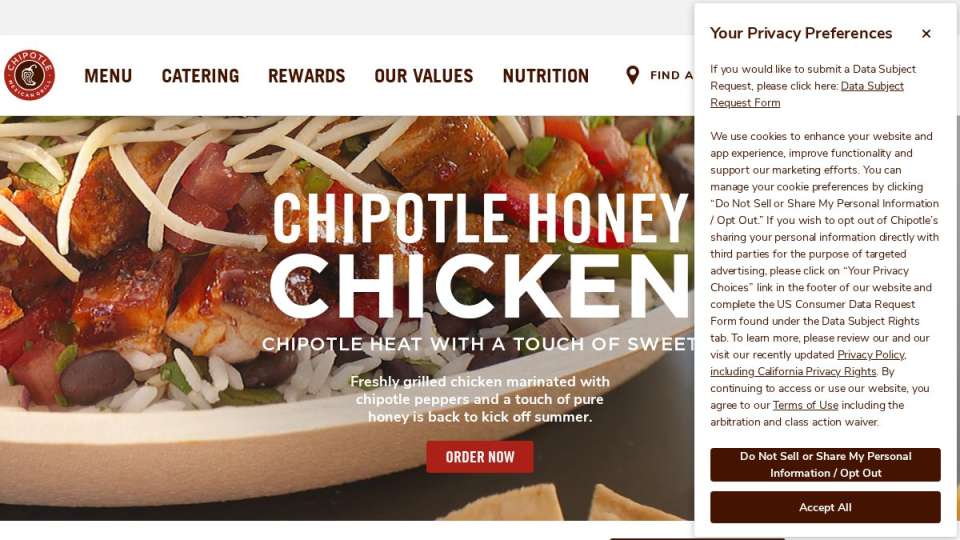
Chipotle's build-your-own model works for Mediterranean eating, though you're working around a Mexican framework rather than Mediterranean ingredients. The brown rice base is a solid whole grain. The chicken and steak are grilled proteins without heavy sauces. The vegetable toppings, peppers, onions, lettuce, tomatoes, are fresh produce.
The limitation: Chipotle's ingredient list doesn't naturally align with Mediterranean principles. There's no olive oil-based dressing, no tahini, no Mediterranean spices. You can build something that checks nutritional boxes, but it's not actually Mediterranean food. Use Chipotle when you need customizable whole ingredients, but don't confuse it with authentic Mediterranean diet friendly takeout.
Panera Bread: Mediterranean Bowl and Salad Options
Panera explicitly offers a Mediterranean Bowl with quinoa, brown rice, roasted vegetables, hummus, and lemon tahini dressing, one of the few chain restaurants that designed a menu item specifically for Mediterranean eating.
The bowl delivers whole grains, plant-based protein from legumes, abundant vegetables, and healthy fats from tahini. The lemon tahini dressing is Mediterranean-authentic: sesame paste, lemon juice, olive oil, and garlic. Stick to this specifically rather than browsing their general salad menu. Confirm the dressing comes on the side so you control portions.
Sweetgreen: Plant-Forward Salads and Warm Bowls
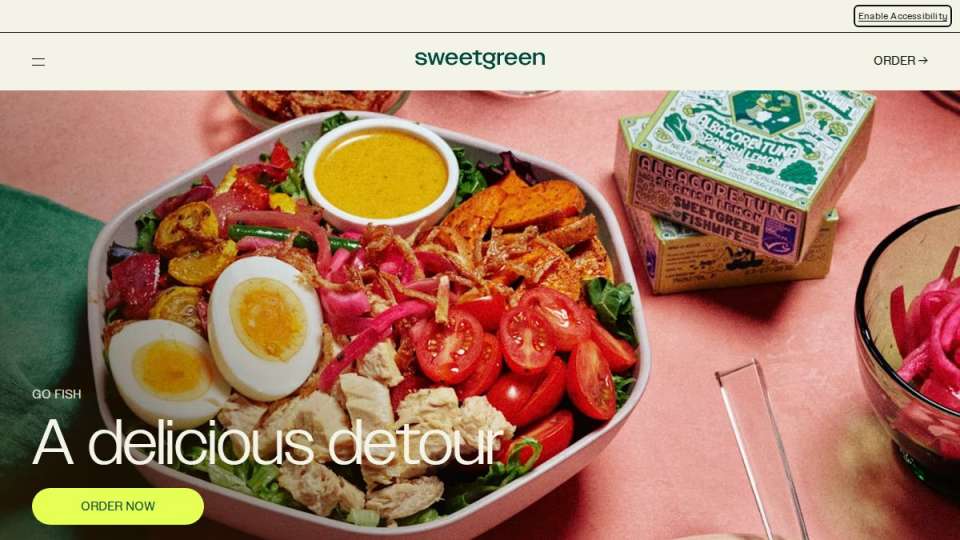
Sweetgreen's philosophy centers on fresh, often locally sourced ingredients, which naturally aligns with Mediterranean principles. Their salads emphasize leafy greens, roasted vegetables, whole grains, and lean proteins. Dressings use olive oil, lemon, and herbs rather than cream or processed ingredients.
The Mediterranean Mezze Bowl (when available seasonally) includes quinoa, spinach, grilled chicken, hummus, olives, and a simple vinaigrette. Sweetgreen's commitment to ingredient quality means you're not eating ultra-processed food disguised as salad. The tradeoff is price, but if you're serious about Mediterranean eating, the ingredient integrity justifies the expense.
Whole Foods Market: Prepared Mediterranean Selections
Whole Foods' prepared foods section offers ready-made Mediterranean options: Mediterranean tuna salad, spinach feta orzo salad, tabbouleh, and pre-packaged bowls like their Afia Lemon Potato Chicken Mediterranean Bowl. These provide grab-and-go convenience without sacrificing ingredient quality.
The advantage is that Whole Foods emphasizes organic and high-quality ingredients. The disadvantage is cost. The prepared salads are sold by weight, so you can buy exactly the portion you want or mix and match items from the salad bar to build your own Mediterranean plate.
How to Order Healthy Takeout: Your Mediterranean Strategy
Knowing where to find Mediterranean diet friendly takeout is half the battle. The other half is ordering correctly, making strategic choices that align with your health goals.
Start with Lean Proteins
Your protein choice sets the foundation for the entire meal. Prioritize grilled chicken, fish, and seafood over fried options. Lamb and beef are fine in moderation, they're traditional Mediterranean proteins, but watch portion sizes. A Mediterranean serving of meat is typically 3-4 ounces, not the 8-ounce portions many restaurants serve (the NIH).
At Gyro Kingdom, grilled proteins are prepared without heavy sauces or added fats. If ordering at a chain, ask how the protein is prepared. Grilled or roasted beats fried or sautéed in oil.
Plant-based proteins like legumes, chickpeas, and lentils are Mediterranean staples. Falafel, hummus-based bowls, and lentil options are excellent choices. Combine them with a lean animal protein for balanced macronutrients.
Load Up on Vegetables and Whole Grains
Vegetables should occupy at least half your takeout container. Request extra vegetables instead of extra sauce or bread. Most restaurants will accommodate this without argument.
Whole grains matter as much as vegetables. Brown rice, quinoa, farro, and whole-wheat pita are Mediterranean staples. When ordering, specifically request whole grains and confirm the restaurant uses them. Leafy greens deserve special attention, spinach, arugula, and lettuce are nutrient-dense and low in calories. Build your meal around greens rather than grains if you want to maximize nutrient density.
Choose Healthy Fats Wisely
Mediterranean eating isn't low-fat, it's smart-fat. Extra virgin olive oil is the primary fat source. Ask if the restaurant uses olive oil in dressings and preparations. Nuts, seeds, and olives provide additional healthy fats. Tahini, made from sesame seeds, is another Mediterranean fat source appearing in hummus and dressings.
Avoid creamy dressings, mayonnaise-based sauces, and cheese-heavy toppings. Request dressings on the side so you control portions. A light drizzle of olive oil and lemon vinegar beats a heavy coating of creamy dressing.
Watch Sodium and Processed Additives
Restaurant meals, even Mediterranean ones, often contain excessive sodium. A single takeout meal can exceed your daily sodium target. Request preparations without added salt. Ask if the restaurant uses fresh ingredients or pre-made components. Cured meats like prosciutto and salami are traditional but high in sodium, use them sparingly as garnish.
Check dressings for added sugars and refined oils. Request simple dressings: olive oil, lemon juice, vinegar, and herbs. If the restaurant can't provide that, bring your own dressing.
| Strategy | Application | Impact |
|---|---|---|
| Choose lean proteins | Grilled chicken, fish, lamb over fried options | Reduces saturated fat while maintaining Mediterranean authenticity |
| Prioritize vegetables | Request extra vegetables, build meals around greens | Increases fiber and nutrient density, supports satiety |
| Select whole grains | Brown rice, quinoa, farro instead of white rice or bread | Stabilizes blood sugar, increases fiber intake |
| Use healthy fats intentionally | Olive oil, nuts, seeds, tahini; avoid creamy dressings | Delivers Mediterranean fat sources with antioxidants |
| Monitor sodium | Request no added salt, avoid cured meats as primary protein | Reduces processed additives, supports heart health |
Quick Ordering Scripts for Mediterranean Meals
Here are specific phrases that work at different restaurants:
At Gyro Kingdom or Greek restaurants: "I'd like a [chicken/lamb/beef] gyro as a bowl instead of pita, with extra tomatoes, cucumbers, and onions. Light on the tzatziki, and can you grill the meat without extra oil?"
At CAVA: "I'll start with the grain mix of brown rice and quinoa, then add grilled chicken, roasted vegetables, hummus, and a side of olive oil and lemon. Skip the creamy dressing."
At Chipotle: "Brown rice bowl, chicken, fajita veggies, lettuce, tomatoes, salsa, and guacamole on the side. No cheese, no sour cream, no vinaigrette."
At Panera: "The Mediterranean Bowl, please. Can I get the lemon tahini dressing on the side?"
At Sweetgreen: "I want a salad with mixed greens, roasted vegetables, grilled chicken, and olive oil and lemon dressing on the side."
At Whole Foods: "Can I build a plate from your prepared foods? I'll take the Mediterranean salad, some grilled chicken, and extra vegetables from the salad bar."
These scripts work because they're specific. You're requesting standard modifications that any restaurant can execute. The key is being clear about what you want removed and what you want added.
Budget-Friendly Mediterranean Takeout Without Compromise
Mediterranean diet friendly takeout doesn't require spending $15-20 per meal. You can eat well on a budget if you know where to look and how to order strategically.
Gyro Kingdom delivers value because portions are generous and ingredients are fresh. You're not paying for branding or elaborate plating, you're paying for real food. A customized gyro bowl costs less than equivalent meals at trendier chains while delivering better ingredient quality.
Chain restaurants like Chipotle and Panera offer Mediterranean-aligned meals at mid-range prices. Building your own bowl costs less than ordering pre-designed entrees. Whole Foods prepared foods seem expensive per pound, but buying exactly what you need often costs less than restaurant meals.
The budget principle: prioritize fresh vegetables and whole grains over premium proteins. Vegetables are inexpensive and nutrient-dense. Whole grains cost less than refined alternatives. Build your meal around affordable whole foods rather than expensive proteins, and Mediterranean eating becomes budget-friendly.
Conclusion
Mediterranean diet friendly takeout options are no longer limited to expensive health-food chains or restaurants in major cities. Between Gyro Kingdom's fresh daily preparations, customizable chains like CAVA and Sweetgreen, and strategic ordering at mainstream restaurants, you have legitimate options for eating well on your schedule.
Success comes down to intentional ordering. Know which restaurants use whole ingredients and fresh preparations. Request specific modifications that align with Mediterranean principles. Control portions of healthy fats and watch sodium in processed components. At Gyro Kingdom, we've built our entire approach around fresh ingredients prepared daily, customizable portions, and genuine Mediterranean authenticity. Try it today and experience the difference between takeout that happens to include vegetables and actual Mediterranean food.
Frequently Asked Questions
What makes Mediterranean diet friendly takeout different from regular fast food?
Mediterranean diet friendly takeout emphasizes whole grains, lean proteins, fresh vegetables, healthy fats like olive oil, and legumes while limiting processed foods and added sugars. Unlike typical fast food heavy on refined grains and saturated fats, Mediterranean options prioritize nutrient-dense ingredients that support heart health and satiety. Many chains now offer customizable bowls and salads that let you control sodium levels and ingredient quality, making it easier to maintain dietary adherence when eating on the go.
How do I identify Mediterranean diet fast food menu items when ordering takeout?
Look for items featuring grilled chicken, fish, or plant-based proteins; whole grains like brown rice or quinoa; abundant vegetables; and dressings based on olive oil or tahini. Mediterranean diet fast food menu items typically highlight legumes, fresh herbs, and minimal processing. Check menu descriptions for terms like 'grilled,' 'roasted,' 'fresh vegetables,' and 'whole grain.' Avoid items with cream-based sauces, fried components, or refined bread. Most chains now label nutritional information online, so you can verify fiber content, sodium levels, and ingredient quality before ordering.
What are the benefits of eating mediterranean food regularly?
The benefits of eating mediterranean food include improved heart health, better blood sugar control, increased satiety from fiber-rich whole grains and legumes, and reduced inflammation from antioxidant-rich vegetables and omega-3 fatty acids in fish. This approach supports sustainable weight management without restrictive calorie counting. Regular consumption of plant-based foods, healthy fats, and lean proteins promotes metabolic health and provides steady energy throughout the day. The lifestyle approach also emphasizes enjoyment of meals, making it easier to maintain long-term dietary adherence compared to restrictive diets.
How do I manage portion sizes when ordering Mediterranean takeout?
Request half portions or share a meal with someone to maintain appropriate macronutrient balance without overeating. Most fast-casual chains allow customization, so ask for extra vegetables and lighter spreads to increase satiety without excess calories. Build your own bowls and pitas, which give you direct control over quantities. When ordering from traditional Mediterranean restaurants like Gyro Kingdom, ask about portion sizes upfront, many offer generous servings, so you can request a smaller portion or plan to save half for later. This strategy helps you enjoy authentic flavors while maintaining your dietary goals.