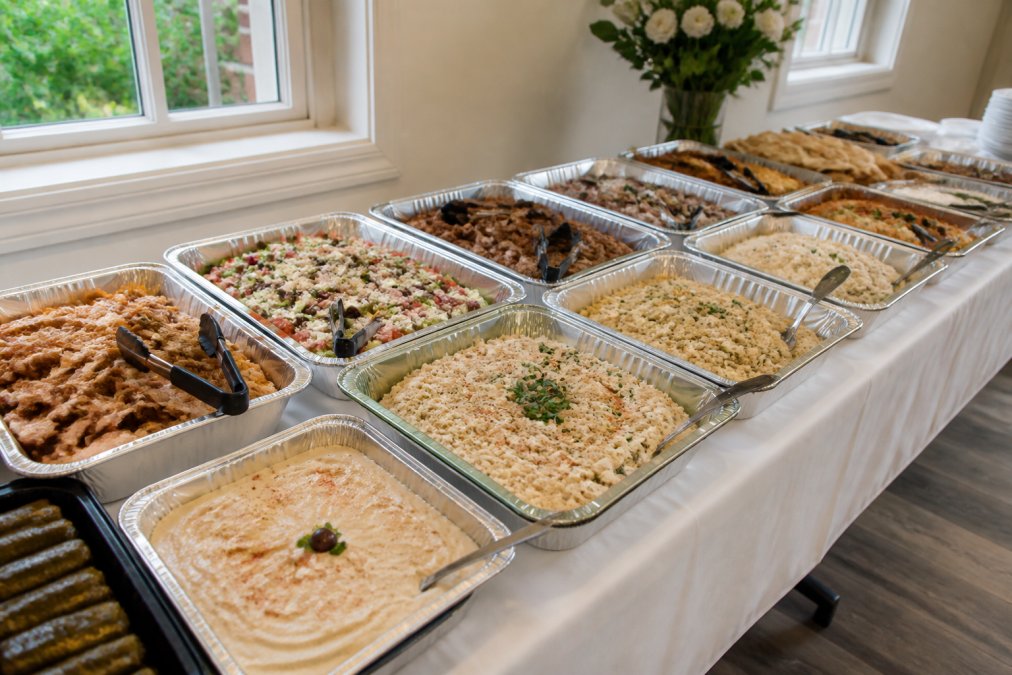
 ultimate-guide
Authentic Greek Catering in Ocean County
Table of Contents
- Why Authentic Greek Catering Stands Out for Ocean County Events
- Greek Catering Menu Ideas for Every Occasion
- Cost of Catering Greek Food: What to Expect
- Greek Food Buffet Setup and Presentation
- Accommodating Dietary Preferences and Restrictions
- How to Book Authentic Greek Catering in Ocean County
- Step 1: Define Your Event Parameters
- Step 2: Confirm Service Area and Delivery Logistics
- Step 3: Ask About Menu Customization and Dietary Accommodations
- Step 4: Understand Timing and Lead Time Requirements
- Step 5: Request a Tasting or Sample
- Step 6: Confirm Contract Details in Writing
- Step 7: Confirm Details One Week Before
- Red Flags to Watch For
- When You're Ready to Book
- What Sets Fresh, Authentic Greek Catering Apart
- Conclusion
- Frequently Asked Questions
Last Updated: August 27, 2026
Why Authentic Greek Catering Stands Out for Ocean County Events
When you're planning an event, the food is what people remember. Authentic Greek catering brings something different: dishes made from fresh ingredients, prepared with techniques passed down through generations, and served with genuine hospitality.
At Gyro Kingdom, we've built our reputation on this principle. We use fresh ingredients daily, prepare our signature dishes to order, and treat every catering event like it matters. Greek cuisine isn't about shortcuts or pre-made batches sitting under heat lamps. It's about balance: fresh vegetables, quality proteins, olive oil, herbs, and time-tested recipes. When you book authentic Greek catering in Ocean County, you're getting food that tastes like someone cared about every plate.
Greek Catering Menu Ideas for Every Occasion
The best catering menu matches the tone of your event. Greek cuisine adapts beautifully to formal corporate functions and casual family reunions alike.
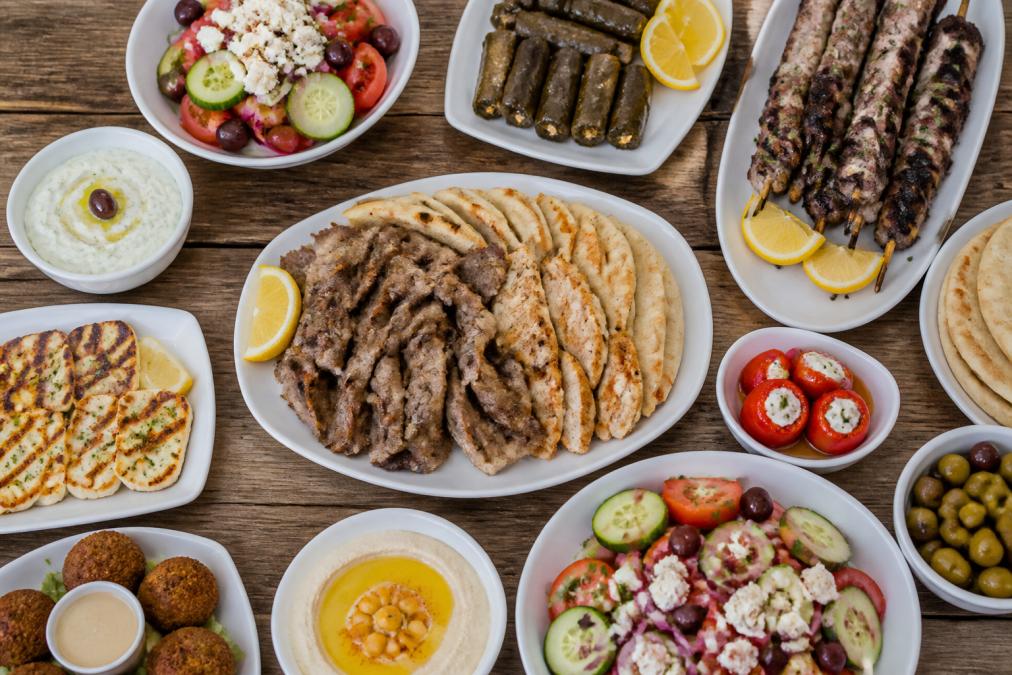
Traditional Mezze and Appetizer Platters
Mezze platters are the foundation of Greek hospitality, small plates designed for sharing that set the tone for your entire event. A traditional mezze selection typically includes hummus, tzatziki, saganaki (fried cheese), dolmades (grape leaves stuffed with rice and herbs), marinated olives, feta cheese, roasted vegetables, and fresh pita bread (peer-reviewed research).
The beauty of mezze is flexibility. Vegetarian guests have plenty to choose from, and people with lighter appetites can graze without feeling pressured to commit to a full meal. When you're planning your Greek catering menu, mezze should anchor the appetizer section.
Main Course Options and Signature Dishes
Main courses showcase Greek catering's range. Lamb is the signature protein, slow-roasted lamb shanks, lamb chops with oregano and lemon, or lamb keftedes (meatballs) offer richness and authenticity. Chicken souvlaki, marinated chicken skewers grilled to order, provides a lighter option. Seafood options like grilled branzino or shrimp saganaki work well for coastal events or health-conscious crowds.
For vegetarian guests, offer complete dishes like moussaka (eggplant and potato layered with béchamel), gemista (tomatoes and vegetables baked with olive oil), or spanakopita (spinach and feta pastry). The key to a strong Greek catering main course selection is variety within authenticity.
Cost of Catering Greek Food: What to Expect
Greek catering pricing varies based on several structural factors. Understanding how caterers build their quotes helps you budget accurately and compare options fairly.
Catering Package Structures
Most Greek catering services offer pricing in one of three formats:
Per-Person Pricing, The most common model. You specify guest count and menu tier, and pay a per-head rate. Pricing depends on quantity, dates, and delivery.
Tray and Platter Pricing, Some caterers quote by the serving vessel. This approach gives flexibility to mix and match dishes and works well for smaller events or uncertain headcounts.
Event Minimums, Many catering companies set a minimum order. Always ask about minimums upfront.
What Drives Price Variation
Protein Selection, Lamb and seafood typically cost more than chicken.
Preparation Complexity, Dishes requiring more labor may cost more.
Delivery Distance and Setup, Events within a certain radius may have no delivery fee. Beyond that, expect a delivery charge. Setup and service may add to the cost depending on event size and duration.
Event Timing, Weekday events may cost less than weekend events. Summer months and holiday weekends may carry peak-season premiums. Booking in advance may qualify you for a discount.
Guest Count Tiers, Larger events may have a lower per-person cost as fixed costs are spread across more guests.
Questions to Ask When Getting a Quote
When you contact a Greek catering service, ask these specific questions:
- "What's included in your per-head price? Does it include plates, utensils, napkins, and non-alcoholic beverages?"
- "What's your delivery radius, and is there a delivery fee beyond it?"
- "Do you charge for setup and breakdown? For how long?"
- "What's your minimum order?"
- "Do you offer a discount for weekday events or advance booking?"
- "What's your cancellation policy, and how far in advance do you need final headcount confirmation?"
- "Are there upcharges for dietary accommodations (gluten-free, vegan, etc.)?"
Authentic Greek catering isn't the cheapest option, but when you compare quality-to-quality, the pricing is competitive.
Greek Food Buffet Setup and Presentation
How you present the food shapes how people experience it. A well-designed Greek catering buffet follows a logical sequence: start with lighter items (mezze, appetizers, salads), move to main courses, then sides and starches.
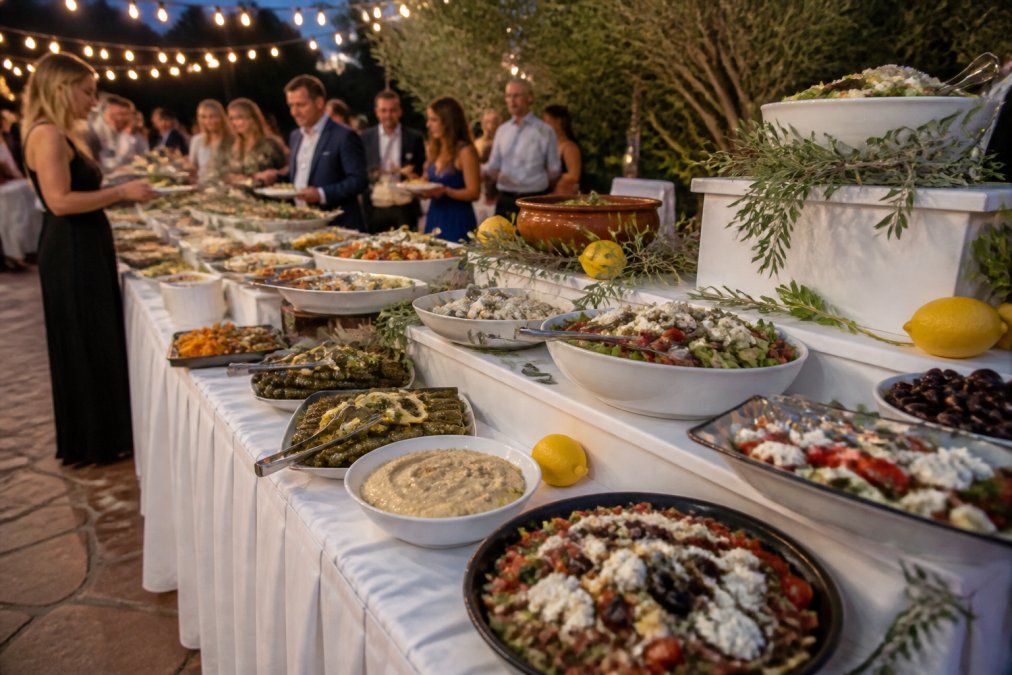
Presentation matters. Fresh herbs, lemon wedges, and olive oil drizzles signal that the food is fresh and prepared with attention. For larger events, consider having staff manage the buffet. This prevents bottlenecks, ensures consistent portions, and allows you to highlight dishes. Temperature control is critical, hot foods stay hot, cold foods stay cold.
Accommodating Dietary Preferences and Restrictions
Modern events include guests with varying dietary needs: vegetarian, vegan, gluten-free, dairy-free, nut allergies (the CDC). Greek cuisine naturally accommodates many of these. The Mediterranean diet is built on vegetables, legumes, and olive oil (peer-reviewed research).
When planning your menu, be explicit about dietary needs. Give numbers: "15 guests vegetarian, 3 vegan, 2 gluten-free." This lets the caterer plan properly. Offer main dishes that work across dietary categories. A grilled vegetable platter with olive oil and herbs satisfies vegetarians, vegans, and gluten-free guests simultaneously. Labeling dishes with key ingredients and allergens prevents confusion and keeps everyone safe.
How to Book Authentic Greek Catering in Ocean County
Booking catering involves more than picking a menu. You need to confirm logistics, understand what's included, and ensure the caterer can serve your specific location and event requirements.
Step 1: Define Your Event Parameters
Before contacting a caterer, gather these details:
- Date and time, Specific day, start time, and duration of service
- Guest count, Exact number or range
- Venue location and type, Full address, venue name, indoors/outdoors
- Venue kitchen and prep space, Does the venue have a kitchen, refrigeration, counter space?
- Setup requirements, Do you need tables, linens, serving dishes, or just food delivery? Do you need staff?
- Dietary needs, Specific numbers: "8 vegetarian, 3 vegan, 2 gluten-free, 1 shellfish allergy"
- Parking and access, Can delivery vehicles park near the venue?
The more detail you provide upfront, the more accurate your quote will be.
Step 2: Confirm Service Area and Delivery Logistics
Most caterers in Ocean County serve a primary service area. Events within this radius may have standard delivery fees. Events beyond may incur additional charges or may be declined.
Ask explicitly: "Do you serve [your town/venue name]?" Most caterers need time to set up a buffet. The caterer needs a table or counter space, access to electricity if using warming equipment, refrigeration or cooler space for outdoor events, a clear path from the delivery vehicle to setup, and parking for a van or small truck.
Step 3: Ask About Menu Customization and Dietary Accommodations
Standard Questions:
- "Can you accommodate gluten-free guests? Do you have a separate prep area to avoid cross-contamination?"
- "Do you offer vegan versions of traditional dishes?"
- "Can you modify dishes for nut allergies or shellfish allergies?"
- "Do you label dishes with key ingredients and allergens?"
A caterer who says "yes" to everything without asking questions is a red flag. Ask whether they use fresh ingredients daily or rely on pre-made batches. Authentic Greek catering means fresh feta, fresh vegetables in season, and proteins prepared close to event time.
Step 4: Understand Timing and Lead Time Requirements
Booking Windows:
- Large events (75+ guests): Book in advance
- Medium events (30-75 guests): Book in advance
- Small events (under 30 guests): Book in advance
- Peak season (May-September, plus holiday weekends): Book further in advance
Most caterers require final headcount a certain number of days before the event. Ask about cancellation policy upfront:
- Cancel well in advance: Full refund or small deposit loss
- Cancel closer to the event: Partial charge
- Cancel very close to the event: Full charge
Get this in writing.
Step 5: Request a Tasting or Sample
Before committing, taste the food. Most reputable Greek caterers will provide a tasting appointment or sample platter.
A tasting lets you confirm food quality and that the caterer understands your vision. If a caterer refuses to provide a tasting, that's a warning sign.
Step 6: Confirm Contract Details in Writing
Once you've decided to book, get everything in writing. Your contract should include:
- Event date, time, and location
- Guest count (or range, with final count due date)
- Menu selections and customizations
- Total cost and breakdown of charges
- What's included (plates, utensils, napkins, beverages, etc.)
- Setup and breakdown times
- Cancellation policy and refund terms
- Contact person and phone number for day-of coordination
Step 7: Confirm Details One Week Before
One week before your event, call the caterer to confirm:
- Final headcount
- Exact arrival time and parking details
- Any last-minute dietary changes
- Weather contingencies (if outdoor)
- Contact information for the day-of coordinator
Red Flags to Watch For
- Caterer won't commit to a service area or delivery radius
- Caterer can't or won't accommodate common dietary needs
- Caterer won't provide a tasting or references
- Caterer can't explain their ingredients or sourcing
- Caterer requires full payment weeks in advance with no written contract
- Caterer quotes a price that seems too good to be true
When You're Ready to Book
Greek catering services throughout Ocean County can handle events of all sizes. The key is starting the conversation early, being clear about your needs, and confirming logistics before you commit.
What Sets Fresh, Authentic Greek Catering Apart
The difference between good Greek catering and mediocre comes down to one thing: whether the food tastes like it was made with care or assembled from inventory.
Fresh ingredients matter. Feta that's been sitting for days tastes different from feta that arrived this week. Vegetables in season taste different from frozen ones. Quality extra virgin olive oil tastes different from bulk oil. Guests taste these differences.
Technique matters. Grilling a lamb chop properly requires knowing when to stop. Preparing tzatziki involves balance, too much garlic overwhelms the dish, too little and it's bland. These are things you learn from doing it hundreds of times.
Authenticity matters. A caterer who understands the "why" behind Greek cuisine can adapt recipes for dietary needs without losing their character. At Gyro Kingdom, we've built our reputation on these principles: freshly made food, proper technique, and genuine Mediterranean flavors. When you book our Greek catering, you're getting food that tastes like someone knew what they were doing.
Conclusion
Authentic Greek catering transforms an event from "we fed people" to "that food was amazing." It's the difference between guests forgetting what they ate and guests still talking about it weeks later.
At Gyro Kingdom, we bring freshly prepared Greek cuisine to your gathering with the same care we put into every meal we serve. Our team handles everything from custom menu planning to setup and service, using fresh ingredients and time-tested recipes that create a memorable dining experience. Get started with Gyro Kingdom and deliver authentic Mediterranean flavors that your guests will actually remember.
Frequently Asked Questions
Q: What makes authentic Greek catering different from generic Mediterranean catering?
A: Authentic Greek catering emphasizes traditional recipes, fresh ingredients, and specific preparation methods rooted in Greek culinary tradition. Authentic providers source quality olive oil, feta cheese, and herbs, and prepare dishes like moussaka and souvlaki using time-honored techniques. Mediterranean catering is broader and may blend cuisines. Authentic Greek catering delivers the distinct flavors and cultural authenticity that set it apart from a generalized Mediterranean menu.
Q: What are the essential components of a Greek catering menu?
A: A complete Greek catering menu typically includes mezze appetizers (saganaki, dolmades, spanakopita), fresh salads (Greek salad, horiatiki), grilled proteins (lamb, chicken, seafood), traditional sides (rice pilaf, roasted vegetables), and bread. Signature dishes like moussaka and pastitsio add depth. Finish with Greek desserts such as baklava or loukoumades. A well-rounded menu balances hot and cold items, proteins, vegetables, and authentic flavors to create a memorable culinary experience.
Q: How far in advance should I book Greek catering for a large event?
A: For events of 50 people or more, booking Greek catering in advance is recommended. This allows time for menu planning, ingredient sourcing, and coordination of delivery and setup. Larger corporate events or weddings may benefit from even more planning time. Smaller gatherings may require less notice, but confirming early ensures your preferred menu options and service dates are available. Contact your catering provider directly to discuss timeline and any specific requirements for your event.
Q: Can Greek catering accommodate dietary restrictions and preferences?
A: Yes, authentic Greek catering can accommodate most dietary needs. Mediterranean cuisine naturally includes vegetarian and vegan options like spanakopita, Greek salads, roasted vegetables, and hummus. Gluten-free requests can often be met with rice-based dishes and grilled proteins. Discuss restrictions when booking so the caterer can adjust menu items, prepare separate portions, and ensure cross-contamination prevention. Fresh ingredients and traditional preparation methods make customization straightforward.