 ultimate-guide
Traditional Greek Breakfast Foods: A Complete Guide
Table of Contents
- What Is a Traditional Greek Breakfast?
- Essential Greek Breakfast Ingredients
- Traditional Greek Breakfast Recipes You Can Make at Home
- Greek Breakfast Pastries and Savory Pies
- Greek Yogurt Breakfast Toppings and Combinations
- The Role of Greek Coffee and Mountain Tea
- How to Prepare a Greek Breakfast Feast
- Nutritional Value and Dietary Accommodations
- Frequently Asked Questions
Last Updated: October 2, 2026
What Is a Traditional Greek Breakfast?
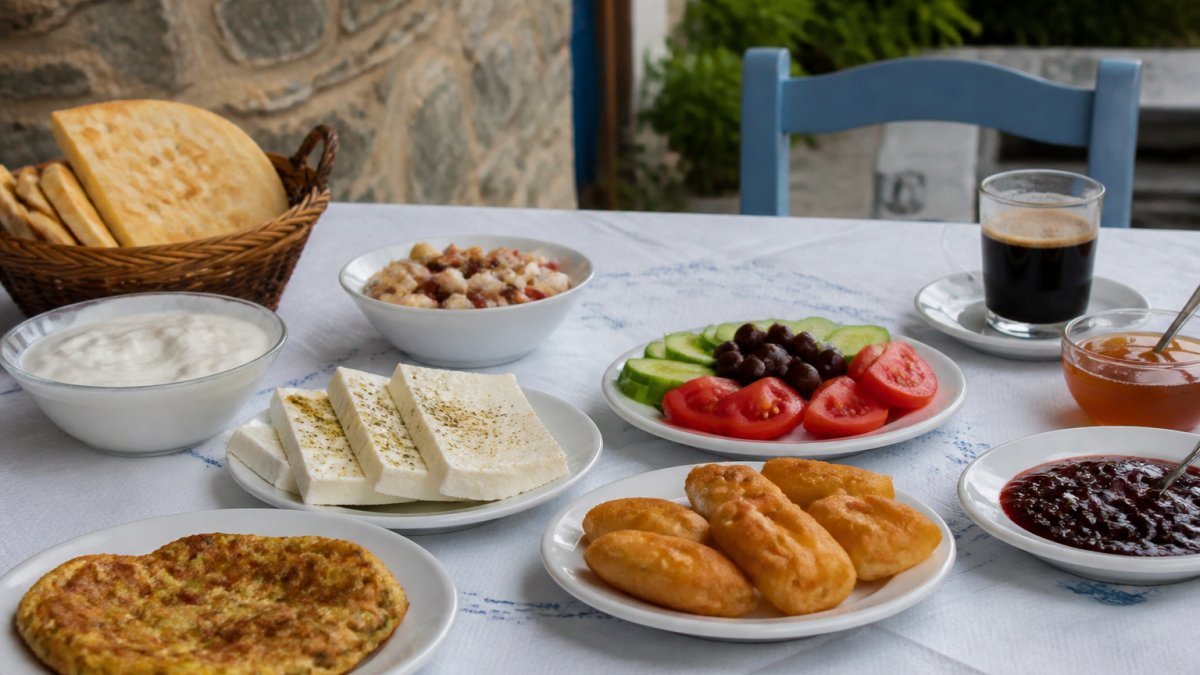
A traditional Greek breakfast is a Mediterranean-inspired meal that emphasizes fresh, wholesome ingredients and simple preparation methods. Unlike the heavy, protein-focused breakfasts common in many Western countries, the traditional Greek breakfast celebrates seasonal produce, quality olive oil, and time-honored recipes passed down through generations.
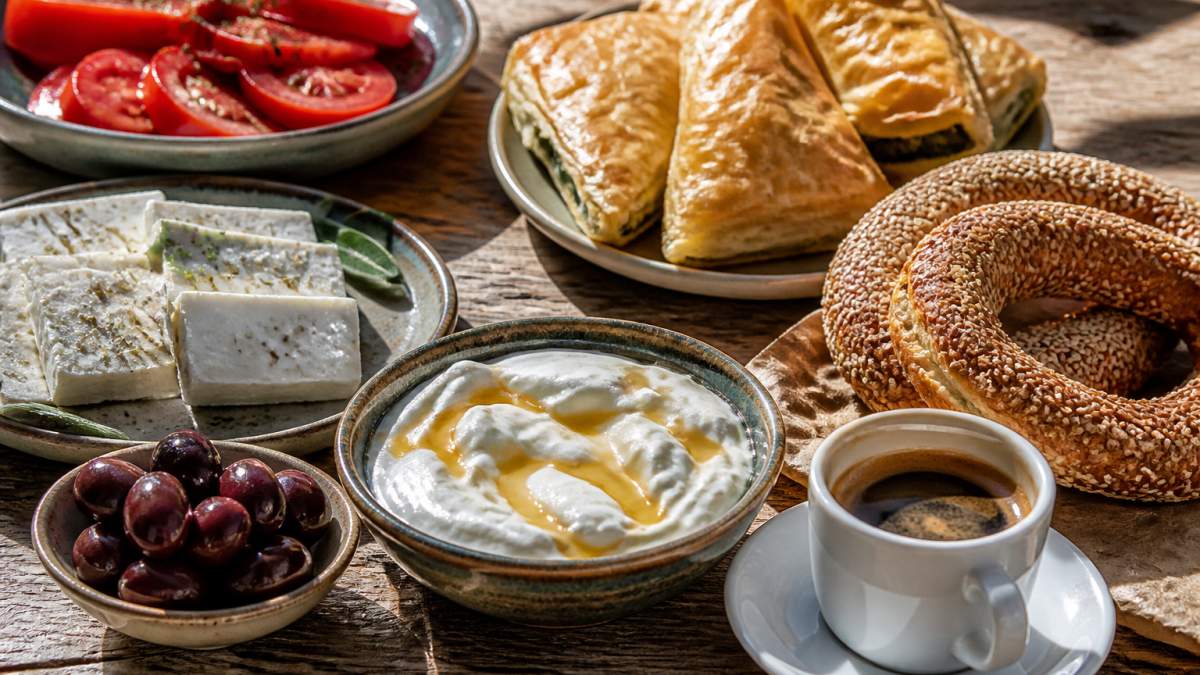
The foundation of this meal reflects Mediterranean diet principles. Fresh produce, healthy fats from olive oil, and moderate portions create a breakfast that nourishes without overwhelming.
What makes a traditional Greek breakfast distinctive is its balance of savory and sweet elements. A typical morning might include soft-boiled eggs alongside fresh vegetables, creamy feta cheese, crusty bread, and naturally sweet elements like honey and seasonal fruit.
Essential Greek Breakfast Ingredients
The pantry staples of Greek breakfast cooking remain remarkably consistent across regions. These ingredients form the backbone of authentic preparation and are worth sourcing carefully for home cooking.
Feta Cheese stands as the cornerstone ingredient.
Olive Oil is non-negotiable.
Phyllo Dough enables the creation of savory pies and pastries.
Greek Yogurt offers creamy richness with tangy undertones.
Honey provides natural sweetness.
Sesame Seeds garnish koulouri and other baked goods, adding nutty flavor and textural contrast.
Mountain Tea (also called Greek tea or tsai tou vounou) represents a caffeine-free alternative to coffee.
Soft-Boiled Eggs feature prominently in traditional breakfasts.
Traditional Greek Breakfast Recipes You Can Make at Home
Creating authentic Greek breakfast dishes at home requires understanding proper technique and ingredient ratios. These recipes deliver genuine results without specialized equipment.
Strapatsada (Scrambled Eggs with Tomatoes)
Strapatsada represents comfort food at its most fundamental. This dish combines eggs with fresh tomatoes, onions, and feta cheese into a savory scramble that appears on breakfast tables throughout Greece.
Basic preparation involves these steps:
- Heat olive oil in a skillet over medium heat
- Sauté diced onions until softened, approximately 3-4 minutes
- Add fresh tomato pieces (or canned tomatoes in winter) and simmer 5 minutes
- Whisk eggs separately, then pour into the skillet
- Stir gently as eggs set, approximately 2-3 minutes
- Crumble feta cheese over the mixture just before serving
- Finish with fresh oregano and black pepper
The key to excellent strapatsada lies in avoiding overcooking. The eggs should remain slightly creamy, not rubbery.
Serve strapatsada immediately with crusty bread for dipping. The dish works equally well for breakfast or lunch, making it versatile for various meal planning scenarios.
Horta (Boiled Greens)
Horta showcases Greek simplicity and respect for vegetables. This preparation method, boiling leafy greens until tender, appears deceptively simple yet requires understanding proper seasoning and texture.
Preparation steps:
- Wash greens thoroughly (spinach, dandelion greens, or chard work well)
- Bring salted water to a rolling boil
- Add greens and cook 8-12 minutes until tender
- Drain thoroughly in a colander
- Arrange on a plate
- Drizzle generously with extra virgin olive oil
- Squeeze fresh lemon juice over the top
- Season with sea salt and black pepper
The beauty of horta lies in its minimal ingredients and maximum nutrition. The boiling process removes any bitterness while preserving essential nutrients.
Horta pairs perfectly with feta cheese and crusty bread. Many Greeks consume this dish several times weekly, understanding its nutritional density and flavor potential.
Greek Breakfast Pastries and Savory Pies
Pastries and pies represent the more indulgent side of Greek breakfast culture. These items appear regularly in bakeries and at special breakfast occasions, showcasing the Greek mastery of phyllo dough and flavor combinations.
Spanakopita and Tiropita
Spanakopita (spinach pie) and tiropita (cheese pie) form the foundation of Greek pastry tradition.
Spanakopita filling typically includes:
- Fresh spinach, wilted and squeezed dry
- Feta cheese, crumbled
- Ricotta or cottage cheese for binding
- Diced onions, sautéed until soft
- Fresh dill or parsley
- Eggs for binding
- Olive oil for moisture
Tiropita uses a simpler approach:
- Feta cheese as the primary filling
- Ricotta or graviera cheese for complexity
- Eggs for binding
- Minimal additional ingredients, allowing cheese flavor to dominate
Both pies require careful phyllo handling. Brushing each layer with melted butter or olive oil creates the signature crispy texture.
These pies freeze exceptionally well unbaked, making them ideal for advance preparation. Many Greek families maintain freezer supplies of spanakopita and tiropita for quick breakfast solutions during busy weeks.
Bougatsa and Koulouri
Bougatsa represents a sweet or savory pastry filled with custard, cheese, or meat, depending on regional tradition.
Koulouri appears as a ring-shaped bread product, typically studded with sesame seeds. The bread offers a satisfying crunch from the seeds and a soft interior perfect for morning consumption.
Both items appear regularly in Greek bakeries and at breakfast tables. Their portability makes them ideal for busy mornings when time constraints prevent more elaborate preparation.
Greek Yogurt Breakfast Toppings and Combinations
Greek yogurt serves as a versatile canvas for creative breakfast combinations. The thick, creamy texture and tangy flavor profile support numerous topping strategies.
Traditional yogurt combinations include:
- Honey drizzled over plain yogurt with crushed walnuts or almonds
- Thyme honey paired with sesame seeds for nutty complexity
- Fresh seasonal fruit (berries, figs, stone fruits) with a honey drizzle
- Granola or muesli for textural contrast
- Chopped dried fruit mixed into yogurt for chewy sweetness
- Tahini stirred into yogurt for earthy richness
The Greek yogurt breakfast trend has grown internationally, yet authentic preparation remains simple. Quality yogurt needs minimal embellishment, honey and perhaps a single topping element suffice to create a satisfying breakfast.
Nutritionally, Greek yogurt provides substantial protein content, supporting satiety through the morning hours. The live cultures offer digestive benefits that many consumers appreciate.
The Role of Greek Coffee and Mountain Tea
Greek coffee holds cultural significance extending far beyond caffeine delivery.
Greek coffee preparation requires specific technique:
- Fill a small, long-handled pot (called a briki) with cold water
- Add finely ground coffee (powder-fine consistency)
- Place over medium heat
- Watch carefully as the mixture heats
- Remove from heat just as foam rises to the top
- Pour a small amount into the serving cup
- Return the pot to heat briefly
- Pour the remaining coffee into the cup
- Serve with grounds settling at the bottom
The result is strong, intense coffee with a layer of foam on top. Greeks drink this slowly, allowing grounds to settle before consuming the final sips.
Mountain tea offers a caffeine-free alternative gaining popularity among those seeking gentler morning beverages.
Both beverages anchor the breakfast experience. The combination of food and beverage creates a complete sensory experience rather than mere fuel consumption.
How to Prepare a Greek Breakfast Feast
Creating an impressive Greek breakfast spread requires planning, ingredient sourcing, and understanding timing. A proper feast balances multiple elements into a cohesive, memorable experience.
Planning Your Menu
A complete Greek breakfast feast typically includes representation from each major category: fresh produce, proteins, pastries, and dairy.
A well-rounded menu structure includes:
- One egg-based dish (strapatsada, soft-boiled eggs, or omelets)
- One vegetable preparation (horta or fresh salad)
- One pastry or bread item (spanakopita, koulouri, or crusty bread)
- Greek yogurt with toppings
- Fresh cheese (feta) with olives
- Seasonal fruit
- Coffee and mountain tea
This structure ensures variety without overwhelming preparation demands. Each element can be prepared in advance or assembled quickly, depending on your timeline.
Seasonal considerations matter significantly. Summer feasts emphasize fresh tomatoes, cucumbers, and berries. Winter preparations lean toward preserved vegetables, dried fruit, and heartier pastries.
Timing and Preparation Tips
Successful Greek breakfast preparation begins the evening before. Many components benefit from advance work that reduces morning stress.
Preparation timeline for a feast serving 4-6 people:
- Evening before: Prepare spanakopita or tiropita filling; assemble pies ready for baking; wash and dry greens for horta
- 2 hours before service: Bake pastries; prepare horta and dress lightly
- 30 minutes before: Start Greek coffee; arrange cheese and olives on platters; prepare yogurt with toppings
- 15 minutes before: Prepare egg dishes; slice bread; arrange fruit
- Final 5 minutes: Pour coffee; make final temperature adjustments
This timeline prevents last-minute scrambling while ensuring components arrive at the table warm and fresh.
Temperature management deserves attention. Pastries should emerge from the oven warm but not piping hot. Eggs cook quickly at the end, ensuring they reach the table at optimal temperature.
Nutritional Value and Dietary Accommodations
Traditional Greek breakfast foods offer substantial nutritional benefits aligned with Mediterranean diet principles. Understanding nutritional profiles helps optimize meals for specific dietary goals.
Key nutritional characteristics include:
- Protein: Eggs, Greek yogurt, and feta provide substantial protein supporting muscle maintenance and satiety
- Healthy fats: Olive oil, nuts, and seeds deliver monounsaturated fats supporting cardiovascular health
- Fiber: Whole grain breads, vegetables, and seasonal fruit provide digestive support
- Micronutrients: Fresh produce delivers vitamins and minerals; leafy greens offer iron and calcium
The traditional Greek breakfast supports sustained energy through the morning without the blood sugar crashes associated with refined carbohydrates and added sugars.
Dietary accommodations remain straightforward:
- Vegetarian: The majority of traditional items naturally exclude meat; focus on egg dishes, pastries, and dairy
- Vegan: Substitute olive oil for butter in pastries; use plant-based yogurt alternatives; emphasize vegetables, fruit, and nuts
- Gluten-free: Prepare egg dishes, vegetables, and yogurt-based meals; source gluten-free bread alternatives
- Dairy-free: Eliminate cheese and yogurt; focus on egg dishes, vegetables, fruit, and olive oil-based preparations
- Lower-sodium: Reduce salt in cooking; use less feta cheese; emphasize fresh vegetables and fruit
Many Greek dishes adapt easily to dietary restrictions without sacrificing authentic flavor profiles. The emphasis on whole ingredients rather than processed foods naturally supports various dietary approaches.
Experiencing authentic Greek breakfast requires more than following recipes, it demands understanding the cultural values embedded in Mediterranean food traditions.
Frequently Asked Questions
What do Greeks traditionally eat for breakfast?
A traditional Greek breakfast typically includes fresh feta cheese, olives, tomatoes, and bread, often accompanied by Greek yogurt with honey and thyme. Savory pastries like spanakopita and tiropita are common, along with soft-boiled eggs and seasonal fruit. Greek coffee or mountain tea completes the meal. The emphasis is on fresh, local ingredients and a leisurely morning ritual rather than a quick, heavy meal.
What are the most common ingredients in a Greek breakfast?
Key ingredients include feta cheese, olive oil, Greek yogurt, honey, phyllo dough, sesame seeds, tahini, fresh produce like tomatoes and cucumbers, olives, and koulouri bread. Thyme, oregano, and other Mediterranean herbs flavor many dishes. Cold cuts and homemade jam appear on some tables. These pantry staples reflect the Mediterranean diet's emphasis on fresh, minimally processed foods.
What is a traditional Greek breakfast pastry?
Spanakopita (spinach and feta pie) and tiropita (cheese pie) are the most iconic Greek breakfast pastries, made with crispy phyllo dough layered with savory fillings. Bougatsa, a custard-filled pastry dusted with cinnamon and powdered sugar, is another favorite. Koulouri, a sesame-seed-topped bread ring, is a bakery staple enjoyed with coffee. These pastries can be purchased from local bakeries or made at home using traditional recipes.
Is Greek yogurt a standard breakfast food in Greece?
Yes, Greek yogurt is a staple Greek breakfast food, typically served with honey and thyme. The creamy texture and tangy flavor make it versatile for pairing with fresh fruit, nuts, and granola. Authentic Greek yogurt has a higher protein content and thicker consistency than standard yogurt, making it both nutritious and satisfying. It's often sourced from local producers and reflects the Mediterranean diet's focus on wholesome dairy.
How does a Mediterranean breakfast differ from a standard American breakfast?
A Mediterranean breakfast emphasizes fresh, whole ingredients and smaller portions rather than heavy, fried foods. Instead of bacon, eggs, and pancakes, Greeks eat feta, olives, fresh vegetables, and pastries. The meal is leisurely and social, meant to be savored with family. Beverages are strong coffee or herbal tea, not juice or milk. The Mediterranean approach prioritizes nutrition, quality ingredients, and a slower pace to start the day.
What are some healthy Greek breakfast options?
Greek yogurt with honey and berries offers protein and probiotics. Strapatsada (scrambled eggs with tomatoes) provides lean protein and vegetables. Horta, boiled greens with olive oil, delivers nutrients with minimal calories. A simple plate of feta, olives, tomatoes, and whole-grain bread satisfies without excess. Seasonal fruit and nuts round out a balanced meal. These options align with the Mediterranean diet, which emphasizes heart health and longevity.
Can I prepare Greek breakfast dishes at home without special equipment?
Yes, most traditional Greek breakfast dishes require only basic kitchen tools. Strapatsada needs a skillet and eggs. Spanakopita requires phyllo dough (store-bought is fine), spinach, feta, and a baking sheet. Boiled greens need a pot and water. Greek yogurt bowls require only a bowl and spoon. The key is sourcing quality ingredients like authentic feta, olive oil, and fresh produce. Many recipes come together in 15-30 minutes with minimal prep.