 ultimate-guide
Mediterranean Diet Health Benefits: A Complete Guide
Table of Contents
- What the Traditional Mediterranean Diet Is
- Traditional Mediterranean Diet Food List
- Cardiovascular and Metabolic Health Benefits
- Brain Health, Weight Management, and Healthy Aging
- How to Start the Mediterranean Diet
- Mediterranean Diet Meal Plan and Practical Tips
- How Long Does It Take to See Mediterranean Diet Benefits
- Potential Drawbacks and Who Should Seek Guidance
- Frequently Asked Questions
Last Updated: October 10, 2026
What the Traditional Mediterranean Diet Is
The Mediterranean diet health benefits stem from a centuries-old eating pattern rooted in the regions bordering the Mediterranean Sea. This approach emphasizes minimally processed foods, plant-based eating, and healthy fats rather than restrictive calorie counting.
The traditional Mediterranean diet isn't a modern fad. It reflects how people in Greece, Italy, Spain, and other Mediterranean regions have eaten for generations, relying on what grows locally and what the sea provides.
What makes this approach unique is its flexibility. Unlike rigid diet plans, the Mediterranean diet encourages enjoying meals with family, savoring food slowly, and finding balance rather than perfection. This cultural element often determines whether people stick with it long-term.
Traditional Mediterranean Diet Food List
The Mediterranean diet centers on whole, unprocessed ingredients that form the foundation of healthy eating patterns. Understanding what to eat daily and what to limit helps you build meals that support your health goals.

Foods to Eat Daily
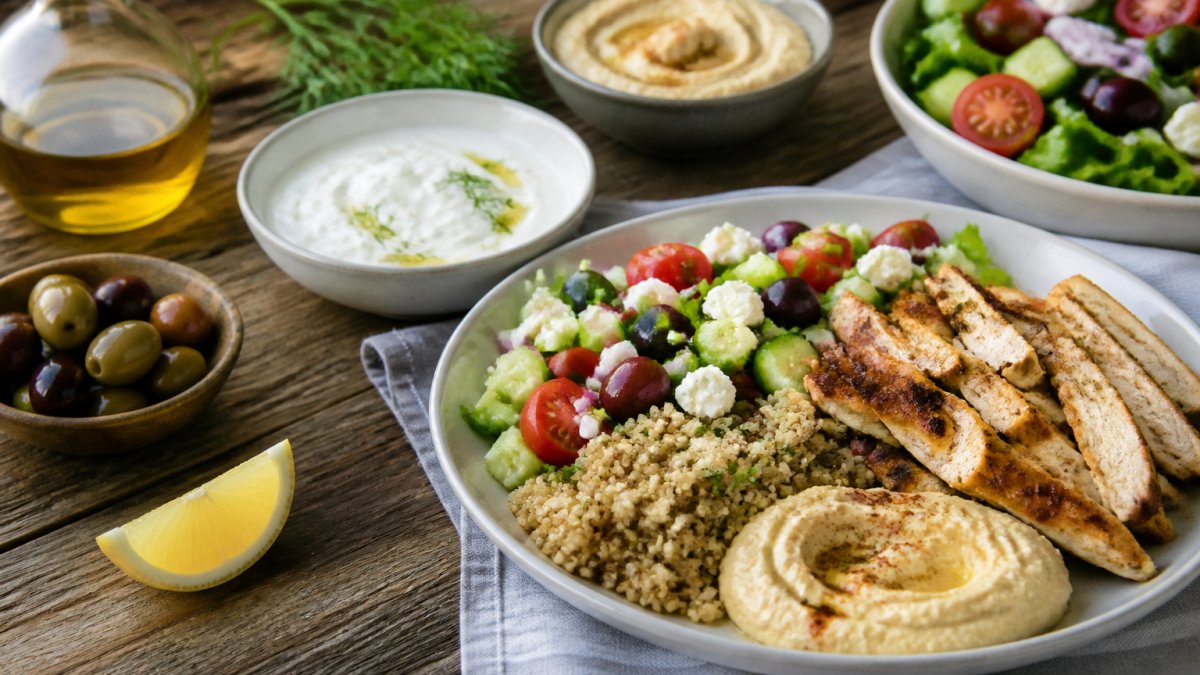
The core of the Mediterranean diet consists of plant-forward foods combined with lean proteins and healthy fats. Vegetables should occupy the largest portion of your plate, think leafy greens, tomatoes, cucumbers, zucchini, bell peppers, and eggplant.
Legumes including beans, lentils, and chickpeas deliver plant-based protein and are staples in Mediterranean cuisine. Nuts and seeds, almonds, walnuts, sunflower seeds, offer healthy fats and nutrients.
Dairy appears in moderate amounts, primarily as cheese and yogurt rather than milk. Fresh fruits, herbs like oregano and basil, and garlic complete the daily foundation.
Foods to Limit
Red meat consumption stays minimal in the Mediterranean diet, typically a few times monthly rather than weekly. Processed meats including bacon, sausage, and deli meats are avoided or consumed rarely. Added sugars and refined carbohydrates, found in sugary drinks, desserts, and white bread, should be limited significantly. Ultra-processed foods and fast food don't fit the pattern.
Butter and cream are replaced by olive oil as the primary fat source. Fried foods are uncommon, with baking, grilling, and steaming preferred instead.
Cardiovascular and Metabolic Health Benefits
The Mediterranean diet has the strongest evidence base for cardiovascular health among all dietary patterns. Multiple large randomized controlled trials, including the PREDIMED study (Prevención con Dieta Mediterránea), have demonstrated measurable improvements in heart disease risk markers and clinical outcomes.
Blood Pressure and Cholesterol
Consistent adherence to the Mediterranean pattern typically produces reductions in systolic blood pressure of 5-10 mmHg within 8-12 weeks, with some individuals seeing larger improvements.
These improvements stem from the diet's composition: monounsaturated fats from olive oil and nuts do not raise LDL cholesterol the way saturated fats do, while the high fiber content from whole grains and legumes actively helps lower LDL. The polyphenols in extra-virgin olive oil, compounds like oleuropein and hydroxytyrosol, have anti-inflammatory and antioxidant properties that contribute to endothelial function (the health of blood vessel linings).
Inflammation and Metabolic Function
The Mediterranean diet reduces circulating markers of inflammation, particularly C-reactive protein (CRP), a predictor of cardiovascular events. This anti-inflammatory effect is driven by omega-3 fatty acids from fish and seafood, the polyphenol content of olive oil and vegetables, and the absence of refined carbohydrates and processed foods that typically trigger inflammatory responses.
Blood glucose control improves through multiple mechanisms: the high fiber intake slows carbohydrate digestion, preventing sharp blood sugar spikes; the emphasis on whole grains over refined grains reduces the glycemic load of meals; and the protein from fish, legumes, and nuts promotes satiety and stable energy.
Important Evidence Distinctions
It is important to distinguish between different types of evidence. The cardiovascular benefits for blood pressure, cholesterol, and inflammation markers are supported by randomized trials and represent causal relationships.
Individual results vary significantly based on starting point, genetics, overall lifestyle (exercise, sleep, stress), and adherence consistency. Someone with severely elevated cholesterol may see larger improvements than someone with borderline levels. The diet's benefits accumulate over time; short-term adherence (weeks) produces metabolic shifts, but the most substantial disease-risk reductions emerge after months to years of consistent practice.
Brain Health, Weight Management, and Healthy Aging
Beyond heart health, the Mediterranean diet supports cognitive function and may help reduce the risk of cognitive decline as you age. The antioxidants and healthy fats nourish brain tissue and protect against oxidative stress. Many people find that this eating pattern naturally supports weight management without strict calorie restriction, the focus on whole foods and adequate protein creates lasting satisfaction.
The Mediterranean approach promotes healthy aging by addressing multiple systems simultaneously: cardiovascular health, metabolic function, brain health, and inflammation control all improve together. This comprehensive effect explains why adherence to the pattern is associated with longer, healthier lives.
How to Start the Mediterranean Diet
Begin by assessing your current eating habits and identifying one area to change. If you eat red meat several times weekly, reduce it to once monthly. If processed foods dominate your diet, replace one category, perhaps swapping sugary cereals for whole grain oats.
Focus on adding rather than subtracting. Add an extra vegetable to dinner, incorporate fish twice weekly, use olive oil instead of butter. Stock your kitchen with Mediterranean staples: canned beans, whole grains, olive oil, canned tomatoes, and frozen vegetables. These foundations make meal preparation straightforward.
Mediterranean Diet Meal Plan and Practical Tips
A typical Mediterranean day might include oatmeal with berries and walnuts for breakfast, a salad with chickpeas, vegetables, and olive oil vinaigrette for lunch, and grilled fish with roasted vegetables and whole grain rice for dinner.
Meal planning simplifies adherence. Prepare vegetables on weekends, cook grains in batches, and keep proteins ready to combine.
Keep meals simple. Mediterranean cooking doesn't require complex techniques or expensive ingredients. Roasting, grilling, and simple sautéing in olive oil create delicious results. Eating with others enhances the experience and encourages slower, more mindful consumption.
How Long Does It Take to See Mediterranean Diet Benefits
Changes in energy levels and digestion often appear within 2-3 weeks as your body adjusts to whole foods and increased fiber. Blood pressure and cholesterol improvements typically emerge within 4-8 weeks of consistent adherence. Weight changes, when they occur, develop gradually over 8-12 weeks as your body composition shifts.
Cognitive benefits and disease risk reduction require longer-term commitment, many studies track people over years or decades to measure these effects. The Mediterranean diet is an investment in long-term health rather than a quick fix.
Potential Drawbacks and Who Should Seek Guidance
While the Mediterranean diet is well-tolerated by most people, several real-world barriers and individual circumstances warrant careful consideration.
Dietary Restrictions and Allergies
Tree nut allergies are common and require substitution strategies. Legumes (beans, lentils, chickpeas) and seeds (sunflower, pumpkin, sesame) provide similar protein, healthy fat, and nutrient density as nuts. Tahini (sesame paste) and seed butters replicate the texture and satiety of nut butters.
Gluten sensitivity or celiac disease requires careful grain selection. Certified gluten-free whole grains include quinoa, brown rice, millet, and certified gluten-free oats. Many traditional Mediterranean regions use polenta (cornmeal) and rice as staple grains alongside wheat, making regional adaptation straightforward.
Vegetarian and vegan adaptations are feasible but require intentional planning. Legumes become the primary protein source, supplemented by nuts, seeds, and whole grains.
Cost and Food Access
Fresh produce and extra-virgin olive oil can feel expensive, particularly in food deserts or regions with limited seasonal availability.
In lower-income areas, canned fish (sardines, mackerel, canned salmon) provides affordable omega-3 sources. Eggs are an inexpensive protein. Seasonal vegetables and legumes form the diet's foundation, not expensive specialty items. The perception of cost often reflects initial sticker shock when transitioning from ultra-processed foods; over time, meal-prep efficiency and reduced food waste lower overall spending.
Digestive Adjustment
Rapidly increasing fiber intake, particularly when moving from a processed-food diet to one rich in whole grains, legumes, and vegetables, can cause bloating, gas, or loose stools (the CDC). Gradual transition over 2-4 weeks allows the gut microbiome to adapt. Drinking adequate water (at least 8 cups daily) and spacing fiber-rich foods throughout the day rather than consuming large amounts at once minimizes discomfort. Most people adapt fully within 3-4 weeks.
Caloric Density and Weight Gain Risk
Olive oil, nuts, seeds, and cheese are nutrient-dense but calorie-dense. A tablespoon of olive oil contains 120 calories; a handful of nuts (1 ounce) contains 160-200 calories. People accustomed to low-fat diets may inadvertently overconsume these foods, leading to weight gain rather than loss. Portion awareness, using measuring spoons for oil, pre-portioning nuts into small containers, prevents this pitfall. The high fiber and protein content of the diet naturally promotes satiety, but mindful eating practices remain important.
Alcohol and Wine Misconceptions
The Mediterranean diet is often associated with moderate red wine consumption, typically defined as one 5-ounce glass daily for women and up to two glasses for men. However, this is optional, not required. The cardiovascular benefits of the diet do not depend on alcohol; they come from the food pattern itself. People with a personal or family history of alcohol use disorder, those taking medications that interact with alcohol, pregnant or breastfeeding individuals, and those with certain health conditions should avoid alcohol entirely. Non-alcoholic versions of the Mediterranean diet are equally valid and beneficial.
When to Seek Professional Guidance
Consult a healthcare provider or registered dietitian before starting the Mediterranean diet if you:
- Have chronic kidney disease, as sodium and potassium intake may require adjustment
- Take blood-thinning medications (warfarin) and need to maintain consistent vitamin K intake from leafy greens
- Have a history of gout or high uric acid levels, as legumes and certain fish can raise uric acid
- Are pregnant or breastfeeding and want to ensure adequate micronutrient intake
- Have type 1 diabetes or take insulin, as carbohydrate composition changes may affect dosing
- Have a history of disordered eating, as any structured eating pattern can trigger relapse
- Are taking medications for blood pressure or cholesterol and expect dietary changes may require dose adjustment
A registered dietitian can personalize the pattern to your medical history, medications, and cultural food preferences, ensuring both safety and sustainability. Individual responses to dietary change vary; professional guidance maximizes benefit and minimizes risk.
Frequently Asked Questions
What are the main health benefits of the traditional Mediterranean diet?
The traditional Mediterranean diet supports heart health by reducing blood pressure and LDL cholesterol levels, helps manage blood glucose and type 2 diabetes risk, promotes cognitive health and may slow cognitive decline, and supports healthy weight management. Research shows it reduces cardiovascular disease risk and mortality risk compared to typical Western eating patterns. Benefits emerge from the emphasis on minimally processed plant-based foods, unsaturated fats from olive oil, and omega-3 fatty acids from fish and seafood.
How long does it take to see Mediterranean diet benefits?
Initial changes in blood pressure and cholesterol can appear within 2-4 weeks for some people, though meaningful metabolic improvements typically emerge over 8-12 weeks of consistent adherence. Weight management results depend on portion sizes and overall calorie intake, with steady progress over months. Brain health and cognitive benefits develop over longer periods, often requiring 6-12 months or more of sustained dietary adherence. Individual variation is significant based on starting health status and lifestyle factors.
What foods should I include in a Mediterranean diet meal plan?
Build meals around vegetables, fruits, whole grains, legumes, nuts, and seeds eaten daily. Use extra-virgin olive oil as your primary fat source. Include fish and seafood at least twice weekly, poultry regularly, and eggs in moderation. Choose dairy products like Greek yogurt and cheese in small amounts. Minimize red meat to occasional consumption, avoid processed meats, and limit added sugar. Fresh herbs, garlic, and spices replace salt for flavor. This plant-forward approach with moderate amounts of fish and poultry forms the foundation of authentic Mediterranean eating.
How do I start the Mediterranean diet if I'm used to a different way of eating?
Begin by gradually adding more vegetables, fruits, and whole grains to meals you already enjoy. Replace butter and refined oils with extra-virgin olive oil. Introduce fish twice weekly, starting with mild varieties if you're unfamiliar. Swap processed snacks for nuts, seeds, and fresh fruit. Keep legumes and whole grains stocked for easy meal building. Reduce red meat and processed foods incrementally rather than eliminating them overnight. Focus on adding nutritious foods rather than strict restriction, which improves long-term adherence and makes the transition sustainable.