 blog
Healthy Alternatives to Pita Bread: 7 Better Choices
Table of Contents
- Why Look for Alternatives to Pita Bread
- Low-Carb Alternatives to Pita Bread
- Gluten-Free Pita Bread Alternatives
- High-Protein Bread Options for Mediterranean Meals
- Alternatives to Bread for Hummus and Dips
- Naan vs Pita Nutrition: Which Is Better
- Whole Grain Choices That Beat Standard Pita
- How to Prepare and Store Your Pita Substitutes
- Frequently Asked Questions
Last Updated: October 6, 2026
Why Look for Alternatives to Pita Bread
Pita bread is a Mediterranean staple, but it's not the only option, and for many people, it's not the best one. Whether you're managing carbs, avoiding gluten, seeking more protein, or just want variety, exploring alternatives to pita bread opens up nutritious possibilities.
Standard pita contains moderate carbs, minimal protein, and limited fiber, which is problematic for anyone tracking macros or blood sugar. It also contains gluten, ruling it out for celiac disease or gluten sensitivity. The good news: many alternatives to pita bread exist, some familiar, others surprising.
This guide covers seven proven alternatives to pita bread, each with distinct nutrition and practical uses: low-carb wraps, gluten-free options, high-protein choices, and vegetable-based substitutes. You'll learn which fits your needs, how to prepare it, and how it compares to traditional pita.
Low-Carb Alternatives to Pita Bread
Low-carb alternatives to pita bread deliver dramatic macronutrient improvements while keeping satisfying texture and flavor. They typically contain 50-70% fewer carbohydrates than standard pita, ideal for keto, paleo, or low-carb Mediterranean approaches.
Lettuce Wraps
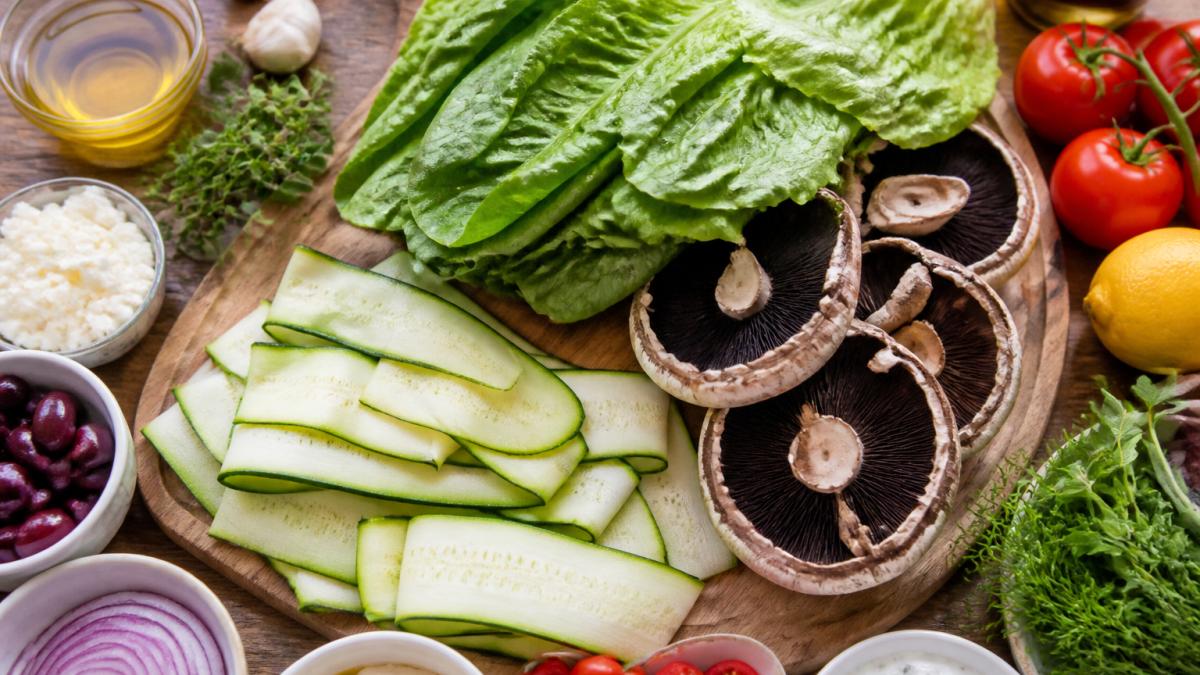
Lettuce wraps represent the simplest low-carb alternative to pita bread. Large, sturdy leaves from romaine, iceberg, or butter lettuce serve as edible vessels for your fillings. A single large lettuce leaf contains roughly 1 gram of carbohydrates compared to 33 grams in a standard pita pocket.
The advantage is immediate: no prep beyond rinsing and drying. Thicker leaves hold ingredients better, so use the outermost, largest ones. Lettuce wraps work especially well for gyro-style fillings, the crisp texture contrasting with seasoned meat, tzatziki, and fresh vegetables.
The limitation is obvious: lettuce is fragile and can wilt quickly. Eat your wrap immediately after assembly, or the leaf becomes limp and tears easily. This makes lettuce wraps less practical for meal prep or transport.
Portobello Mushroom Caps
Portobello mushroom caps function as surprisingly effective bread alternatives. A large cap (about 4 inches diameter) contains roughly 3 grams of carbohydrates and provides a substantial, meaty texture that complements Mediterranean fillings exceptionally well.
Preparation matters: brush the cap with olive oil, season with salt and pepper, and grill 3-4 minutes per side or roast at 400°F for 8-10 minutes until tender.
The trade-off: mushroom caps require cooking time, making them less convenient than lettuce wraps. They also have a more delicate structure than pita, the cooked cap can break if overstuffed. Use them for smaller portions or ensure fillings are cut into manageable pieces.
Zucchini Slices
Thin-sliced zucchini is another low-carb alternative to pita bread, with roughly 2 grams of carbohydrates per 2-3 slices. Slice lengthwise into thin sheets rather than rounds to create flexible strips that roll or stack.
Brush zucchini with olive oil and grill 2-3 minutes per side until pliable, or roast at 425°F for 6-8 minutes for a softer texture. The slight char adds depth, and once cooked it's flexible enough to wrap fillings or layer like pita.
The advantage is versatility: zucchini works as both a wrap and a base layer. The disadvantage is that it's more delicate than mushroom caps and requires careful handling to avoid tearing. Plan to eat immediately after assembly, as cooled zucchini becomes increasingly fragile.
Gluten-Free Pita Bread Alternatives
For celiac disease, gluten sensitivity, or simple preference, alternatives to pita bread made from alternative flours deliver bread-like structure without gluten. They hold together better than vegetable wraps, making them good for meal prep.
Chickpea Flour Wraps
Chickpea flour wraps represent a protein-rich gluten-free alternative to pita bread. Made primarily from ground chickpeas, these wraps contain 6-8 grams of protein per serving compared to roughly 4 grams in standard pita. They're naturally gluten-free and provide a slightly nutty, earthy flavor that complements Mediterranean fillings.
Find them at health-focused grocery stores, or make them at home by mixing chickpea flour with water, salt, and olive oil into a thin batter, then cooking on a hot griddle 1-2 minutes per side. Store-bought costs more but needs zero prep.
The texture is slightly denser than pita, with a slightly grainy quality that some people love and others find less appealing. The flavor is distinctly different from wheat-based bread, not better or worse, just distinct. Chickpea wraps hold up well to moisture and transport, making them excellent for packed meals or delivery.
Almond Flour Flatbread
Almond flour flatbread serves as a ketogenic alternative to pita bread, containing roughly 2 grams of carbohydrates per serving while delivering 6 grams of protein and 9 grams of healthy fats. The result is a nutrient-dense bread alternative with a rich, slightly buttery flavor.
To make it, mix almond flour, eggs, salt, and sometimes psyllium husk powder into a dough, press thin, and bake at 350°F for 12-15 minutes. It's more involved than other alternatives but substantial and satisfying. Store-bought versions are expensive and less common than chickpea wraps.
The limitation is structural: almond flour flatbread is more fragile than pita and can crumble if overstuffed or handled roughly. The flavor, while pleasant, is noticeably different from traditional bread, some find it refreshing, others find it takes adjustment. The caloric density is also higher than pita (roughly 200 calories per serving), which matters if you're managing overall calorie intake.
High-Protein Bread Options for Mediterranean Meals
For athletes, fitness enthusiasts, or anyone managing appetite and satiety, high-protein alternatives to pita bread deliver substantially more protein per serving while staying Mediterranean-authentic.
Protein-enriched wraps made from wheat gluten, legume flours, or whey protein isolate contain 10-15 grams of protein per serving, roughly triple standard pita. They're increasingly available at mainstream grocery stores and need no prep beyond unwrapping.
The trade-off is texture and taste. High-protein wraps often have a slightly rubbery or dense texture compared to traditional pita. The flavor can be neutral or slightly chalky depending on the protein source. Most people adjust within a few uses, though some never fully embrace the difference.
Alternatively, pairing traditional pita with high-protein fillings, grilled chicken, lamb, paneer, or legume-based preparations, achieves similar macronutrient goals while maintaining authentic flavor. This approach works particularly well where freshly prepared proteins and generous portions naturally deliver substantial protein content regardless of bread choice.
Alternatives to Bread for Hummus and Dips
Not every Mediterranean meal requires bread at all. For hummus, tzatziki, and other dips, numerous alternatives to bread for hummus serve as effective vehicles while offering distinct nutritional advantages.
Raw vegetables are simplest: cucumber slices, bell pepper strips, carrot sticks, and celery deliver crunch with minimal calories and maximum fiber. A typical serving has 3-5 grams of carbohydrates and virtually no fat, ideal for managing carbs and calories.
Rice cakes and crackers are more substantial alternatives to bread for hummus. A typical rice cake has 7-8 grams of carbohydrates and minimal protein, lighter than pita but heartier than raw vegetables.
Roasted chickpeas provide a protein-rich alternative to bread for hummus, offering 5-6 grams of protein per quarter-cup serving along with satisfying crunch. Prepare by tossing canned chickpeas with olive oil and spices, then roasting at 400°F for 20-25 minutes until crispy.
Naan vs Pita Nutrition: Which Is Better
Naan and pita are often treated as interchangeable, but nutritionally they differ. Understanding naan vs pita nutrition clarifies whether switching actually improves your dietary profile.
A typical serving of naan (one piece, roughly 90 grams) contains approximately 262 calories, 45 grams of carbohydrates, 8 grams of protein, and 3 grams of fat.
Naan has roughly 60% more calories and carbohydrates per serving than pita, mainly from larger serving size and higher fat. Its richer flavor comes from butter or ghee, which adds calories but boosts satiety.
The real distinction comes down to preparation and fillings. Restaurant naan brushed with ghee or topped with garlic can carry far more fat than homemade.
For most people, the naan vs pita question is less about nutrition and more about preference and context. Naan works better for dipping in curries or thicker preparations; pita works better for sandwich-style fillings.
Whole Grain Choices That Beat Standard Pita
If you're not eliminating bread entirely but simply seeking nutritional improvement, whole grain alternatives to pita bread deliver substantially more fiber, micronutrients, and satiety than refined white pita.
Whole wheat pita has roughly 4 grams of fiber per serving versus 1-2 in white pita, plus more B vitamins and minerals.
Sprouted grain pita offers additional benefits: sprouting reduces phytic acid (which inhibits mineral absorption), increases enzyme content, and slightly boosts protein bioavailability.
Multigrain pita incorporating seeds, flax, or other whole grains delivers even more fiber (5-7 grams per serving) along with healthy fats and additional micronutrients.
One practical note: whole grain alternatives to pita bread are denser and sometimes drier than white pita, so pair them with wet fillings, tzatziki, hummus, or marinated vegetables rather than dry proteins to keep the bread from turning tough.
How to Prepare and Store Your Pita Substitutes
Getting the most from alternatives to pita bread depends on proper prep and storage, since each option has different requirements.
Lettuce and vegetable wraps should be used immediately after assembly. Prepare ingredients separately and assemble just before eating to prevent wilting.
Grilled vegetable alternatives (mushrooms, zucchini) can be prepped ahead and refrigerated in an airtight container up to three days. Reheat gently at 300°F for 2-3 minutes or eat cold. Cool completely before storing to prevent condensation.
Flour-based wraps and flatbreads (chickpea, almond, whole grain) keep in airtight containers at room temperature up to two days or refrigerated up to five. Wrap individually in parchment to prevent sticking.
Dips and accompaniments like hummus and tzatziki keep refrigerated for 4-5 days in sealed containers. Prepare fresh vegetables for dipping no more than a few hours before serving to maintain crispness.
| Alternative | Prep Time | Storage Duration | Best For |
|---|---|---|---|
| Lettuce wraps | 2 minutes | Use immediately | Quick meals, low-carb |
| Portobello caps | 10 minutes | 3 days refrigerated | Grilled preparations |
| Zucchini slices | 8 minutes | 3 days refrigerated | Layered fillings |
| Chickpea wraps | 0 minutes | 2 days room temp | Convenience, protein |
| Almond flatbread | 20 minutes | 5 days refrigerated | Keto, high-fat diets |
| Whole grain pita | 0 minutes | 5 days room temp | Fiber, nutrients |
| Raw vegetables | 5 minutes | 5 days refrigerated | Dips, maximum nutrition |
Finding the right alternative to pita bread transforms how you approach Mediterranean meals. At Gyro Kingdom, our freshly prepared Mediterranean proteins, authentic preparations, and generous portions work seamlessly with any bread alternative you choose. Visit Gyro Kingdom and discover our commitment to fresh, authentic Mediterranean cuisine.
Frequently Asked Questions
What is a healthy substitute for pita bread?
Lettuce wraps, portobello mushroom caps, and whole grain wraps are excellent healthy alternatives to pita bread. Lettuce wraps offer minimal calories and carbs, while whole grain options provide fiber and sustained fullness. The best choice depends on your dietary goals, low-carb dieters should choose vegetable-based substitutes, while those seeking satiety benefit from whole grain or high-protein alternatives.
What can I use instead of pita bread for hummus?
Rice cakes, vegetable sticks (cucumber, bell pepper, carrot), whole grain crackers, and roasted chickpeas work well with hummus and other Mediterranean dips. Vegetable-based options provide fiber and nutrients, while whole grain crackers offer more substance. For a filling snack, pair hummus with fresh vegetables or baked chickpeas seasoned with Mediterranean herbs.
Which is healthier, naan or pita?
Both traditional naan and pita contain similar calories and carbohydrates, though whole wheat versions of either are healthier choices. Standard naan typically contains more fat due to butter or ghee, while whole wheat pita offers more fiber. For the healthiest option, choose whole grain varieties of either bread, or select low-carb alternatives like lettuce wraps or vegetable-based substitutes entirely.
What are good low-carb alternatives to pita bread?
Lettuce wraps, portobello mushroom caps, and zucchini slices are excellent low-carb choices. These options contain a fraction of the carbohydrates found in traditional pita while still providing structure for fillings like falafel, vegetables, and fresh ingredients. They're ideal for those following keto or low-carb Mediterranean meal plans.