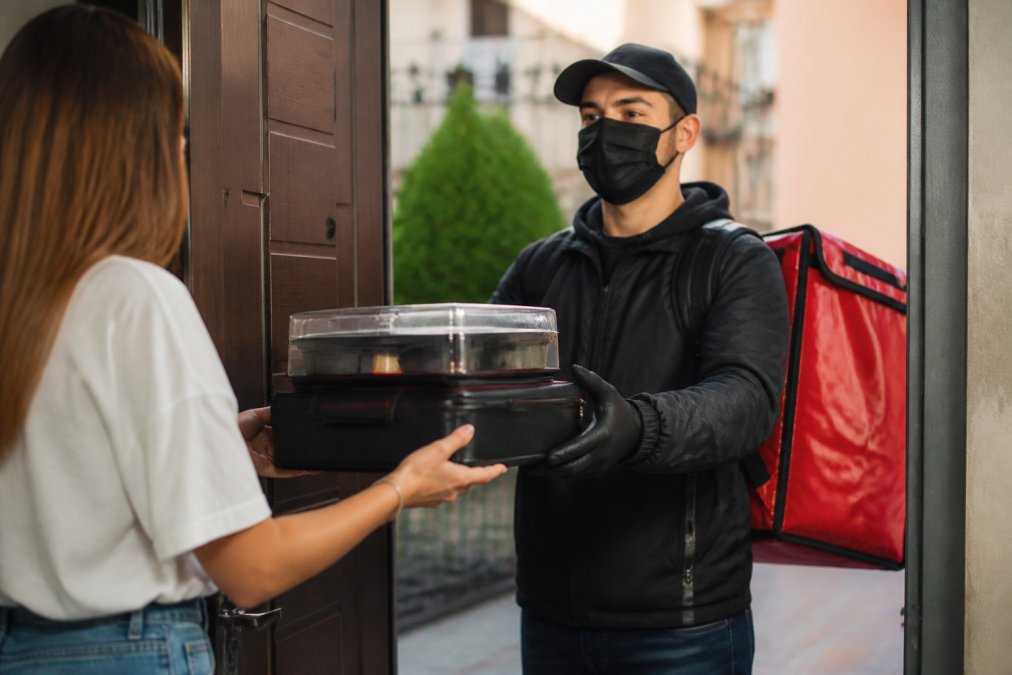
 how-to
How to Ensure Hot Food Delivery: A Complete Guide
Table of Contents
- Why Temperature Control Matters for Hot Food Delivery
- Selecting the Best Insulated Food Delivery Bags
- Proper Food Packaging Techniques for Heat Retention
- Understanding the Food Safety Temperature Danger Zone
- Heated Delivery Equipment and Technology
- How to Order Greek Food Delivery Online and Ensure Quality
- Best Practices for Restaurant Staff and Drivers
- Preventing Cross-Contamination During Transit
- Frequently Asked Questions
Last Updated: September 1, 2026
Why Temperature Control Matters for Hot Food Delivery
Temperature control directly impacts food safety. The food safety temperature danger zone spans from 40°F to 140°F, where bacteria multiply rapidly (the FDA). Hot food must stay above 140°F to remain safe and maintain quality (the FDA). A meal that drops below this threshold doesn't just taste worse, it becomes a potential health risk.
Most food arrives cold because no one in the chain took ownership of the thermal barrier. Restaurants hand off hot containers without proper insulation. Drivers toss them in regular bags. Customers open the door to food that's been cooling for 20 minutes. Each step compounds the heat loss.
At Gyro Kingdom, we understand that delivering hot food isn't an accident, it's a process. From the moment your order leaves our kitchen, every decision we make prioritizes keeping your gyros, souvlaki, and Mediterranean dishes at the temperature they deserve. This guide walks you through exactly how to ensure that happens, whether you're ordering from us or any restaurant serious about quality.
Selecting the Best Insulated Food Delivery Bags
An insulated delivery bag is the foundation of hot food delivery. Not all bags are created equal, and the difference between a cheap foam container and a professional thermal carrier can be 20 degrees after 30 minutes.
Material Quality and Thermal Insulation
The bag's material determines how well it resists heat loss. The most effective materials use multiple layers: an outer shell that's durable, a middle insulation layer (typically foam or reflective material), and an inner lining that contains the heat.
Foam insulation offers solid performance for short deliveries. Reflective thermal barriers work better for longer transit times because they bounce heat back inward. Professional delivery bags often combine both. A 2-inch foam layer cuts heat loss roughly in half compared to 1-inch (peer-reviewed research). The inner lining should be moisture-resistant, using plastic or foil to keep moisture on the surface rather than absorbed into the insulation.
Size and Capacity Considerations
Bag size affects how efficiently it retains heat. A bag that's too large creates dead air space that cools faster. A bag that's packed tightly maintains temperature better because the food itself acts as a thermal mass.
The right size depends on your typical order. A single-person Greek meal needs a compact bag, roughly 12 by 8 by 6 inches. A family order for four people requires something larger, maybe 18 by 12 by 10 inches. Capacity also determines how many thermal elements you can include. Gel packs or heated bricks need space around the food to work effectively.
Proper Food Packaging Techniques for Heat Retention
How the food is wrapped before it enters the bag determines whether it stays hot or cools quickly. This is where the restaurant's execution matters as much as the bag itself.
Layering and Thermal Barriers
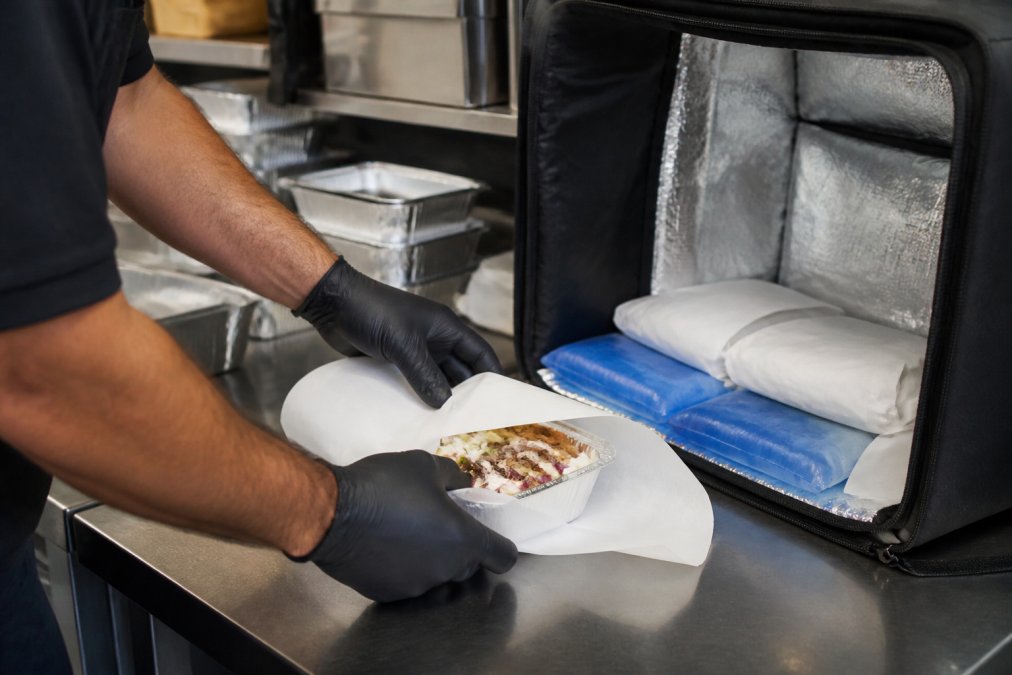
The standard approach uses multiple layers. First, the food goes into a food-safe container, usually a foil or paper box for Greek food. Then, the entire container gets wrapped in foil, which reflects radiant heat back into the food and slows convective heat loss.
After foil comes a layer of insulating paper or bubble wrap. The combination of reflective (foil) and insulating (paper) layers works better than either alone because they address different types of heat loss. Finally, everything goes into the insulated bag with additional thermal elements if the delivery will take more than 20 minutes. Each omitted layer costs 5-10 degrees of temperature retention over a 30-minute delivery.
Preventing Condensation and Moisture Control
Condensation is the silent killer of food quality. As hot food cools, water vapor condenses on the inside surfaces of the bag and containers, making fries soggy, softening pita bread, and diluting sauces.
The solution involves ventilation without heat loss. Some professional bags include small vents that allow steam to escape without letting cold air in. Moisture-absorbing materials like specialized paper liners absorb condensation before it reaches the food. The most effective method combines ventilation and absorption: a small vent allows excess steam to escape while moisture-absorbing liners catch what remains.
Timing also affects condensation. If a container sits in the bag for 10 minutes before being delivered, condensation forms before the journey even starts. Restaurants that prioritize hot food delivery pack the bag just before the driver leaves.
Understanding the Food Safety Temperature Danger Zone
The food safety temperature danger zone is the range where bacteria grow fastest: 40°F to 140°F. Food that drops into this zone and stays there for more than two hours becomes unsafe.
Safe Holding Temperatures for Hot Foods
Hot foods must stay at 140°F or above to remain safe. For hot food delivery, the practical target is 160°F when it leaves the restaurant. This gives you a 20-degree buffer. If the delivery takes 20 minutes and the food cools gradually, you'll arrive at 140°F or slightly above.
Restaurants that take hot food delivery seriously check temperatures before packing. A quick thermometer reading confirms the food is actually hot, not just warm. This is especially important for thick items like lamb or beef gyros, which can cool from the outside while staying warm in the center.
Using a Food Thermometer for Quality Control
A food thermometer is the only way to know if food is actually at a safe temperature. Instant-read thermometers are the standard for food service and are accurate to within a degree or two when used correctly.
For a Greek gyro, you'd check the meat in the center of the stack. For souvlaki, you'd test the thickest piece. Restaurants committed to quality hot food delivery train drivers to carry thermometers. A driver can verify that food is at proper temperature before leaving the restaurant and again upon arrival if there's any concern. This creates accountability and catches problems before the customer opens the door to cold food.
Heated Delivery Equipment and Technology
Beyond insulated bags, some restaurants use active heating equipment to maintain food temperature during delivery.
Battery-powered heated containers use electric warming elements to actively maintain temperature. For high-volume operations or longer delivery zones, they're worth the investment. A heated container can keep food at 160°F even during a 45-minute delivery.
Thermal elements like gel packs or heated bricks provide passive heating. They're pre-heated before packing and slowly release their stored heat into the insulated bag. A gel pack stays warm for 4-6 hours, more than enough for any food delivery. The trick is placing them correctly so they warm the air inside the bag without pressing directly against the food.
The most effective systems combine multiple approaches: an insulated bag keeps the baseline temperature stable, a thermal element provides active heating, and moisture control prevents condensation.
How to Order Greek Food Delivery Online and Ensure Quality
Ordering is only half the battle. How you order, when you order, and what you communicate to the restaurant directly affects whether your food arrives hot.
Timing Your Order for Optimal Freshness
The best time to place an order is 10-15 minutes before you want the food to arrive. This gives the restaurant time to prepare everything fresh without letting it sit in the delivery bag cooling down.
Most online ordering systems show estimated preparation and delivery times. Add those together, then count backward from when you want to eat. Avoid peak hours if you're particular about temperature. During lunch or dinner rush, your food might sit in a bag for 10 minutes while the restaurant finishes other orders.
Communication with Your Restaurant
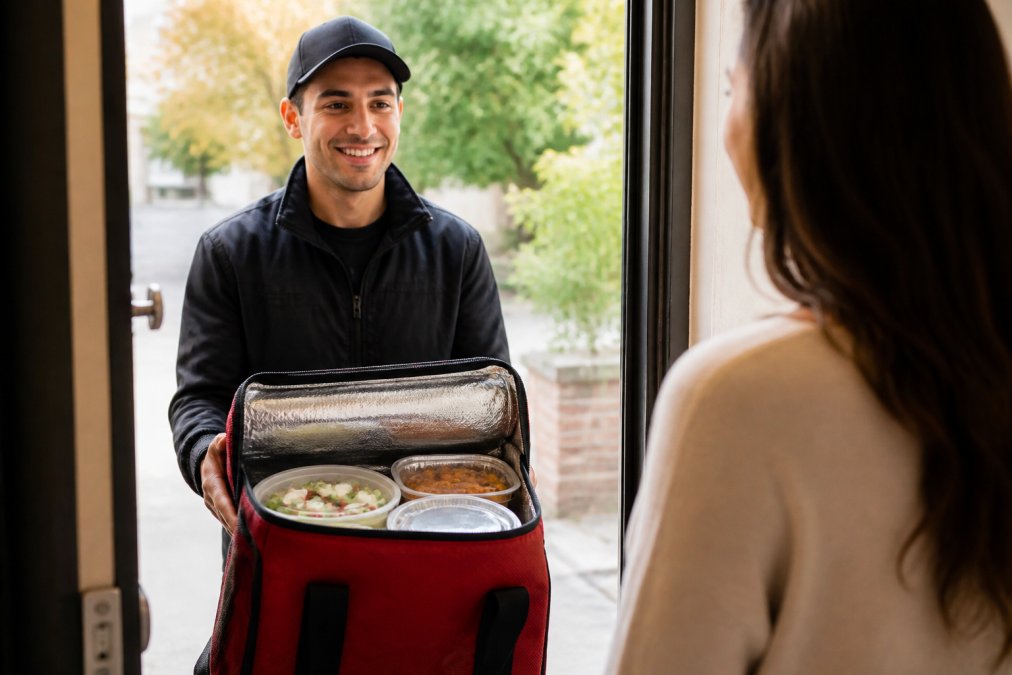
Use the notes section in your online ordering system. A simple note like "Please pack just before driver leaves" signals to the kitchen that you care about quality. Restaurants that take hot food delivery seriously will read this and adjust their process.
Ask about their delivery process when you place the order. Do they use insulated bags? Thermal elements? Do they pack just before the driver leaves? For larger orders or special events, call ahead to discuss your needs directly.
Best Practices for Restaurant Staff and Drivers
Hot food delivery requires execution at multiple points. A restaurant can pack perfectly, but if the driver leaves the bag on a cold car seat for 15 minutes, all that work is wasted.
Staff should be trained on the temperature danger zone and why it matters. Packing isn't just putting food in a bag, it's a process with specific steps: wrapping, layering, thermal elements, timing.
Drivers need to understand that they're part of the food safety chain. This means keeping the delivery bag in the warmest part of the vehicle, delivering in the order that makes sense for food temperature, minimizing time between pickup and delivery, and not leaving orders sitting on a cold porch or in a hot car.
Training also covers what to do if something goes wrong. If a delivery is delayed, the driver should contact the restaurant. If food has clearly cooled, the driver should offer a replacement or refund rather than handing over cold food.
Preventing Cross-Contamination During Transit
Cross-contamination during delivery is less common than temperature issues, but it's still a risk. Raw ingredients, allergens, or incompatible foods can transfer between orders if they're packed together without proper barriers.
The solution is compartmentalization. Different orders should be in separate bags or clearly separated within the same bag. For restaurants using the same delivery bag for multiple orders, food-safe dividers or separate compartments prevent cross-contamination.
Drivers should keep delivery bags clean. A bag that carried raw chicken yesterday shouldn't carry Greek salad today without being cleaned. Allergen communication is critical. If a customer orders food with allergens, that information should be clearly marked on the bag so the driver can handle it carefully.
Keeping hot food delivery hot requires attention at every step: the restaurant's packing process, the equipment used, the timing of the order, and the driver's execution. When all these elements work together, you get what you're actually paying for, food that tastes as good at your door as it did when it left the kitchen.
At Gyro Kingdom, we've built our hot food delivery process around this principle. We pack every order in insulated bags with thermal elements just before your driver leaves. We train our team on food safety temperatures and timing. We coordinate with reliable drivers who understand that they're part of the quality chain. When you order Greek food delivery from us, you're getting food that arrives hot because we've engineered the entire process to make that happen. Try it today and taste the difference.
Frequently Asked Questions
What temperature should hot food be when it arrives during delivery?
According to the USDA Food Safety and Inspection Service, hot foods must maintain an internal temperature of 140°F or above during delivery to stay outside the food safety temperature danger zone. Use a food thermometer to verify that items like gyros, soups, and other hot dishes meet this standard when they arrive at your door. If food has dropped below 140°F, it should not be consumed.
How long can hot food safely stay in an insulated delivery bag?
Most insulated delivery bags maintain safe temperatures for 30-45 minutes with proper thermal barriers and heated elements in place. However, transit time varies based on distance and ambient temperature. Shorter delivery windows (under 30 minutes) provide the best results for heat retention. Always check the internal temperature upon arrival to confirm food safety, regardless of transit duration.
What makes the best insulated food delivery bags for keeping food hot?
The best insulated food delivery bags feature thick foam or reflective thermal insulation, moisture-resistant liners, and tight-sealing closures to minimize heat loss. Multi-layer construction with thermal barriers between the bag exterior and food containers significantly improves heat retention. Look for bags with reinforced handles and durable materials that withstand frequent use while maintaining packaging integrity throughout the delivery.
How can I ensure my Greek food order stays hot when ordering food delivery online?
Order during off-peak hours when delivery times are fastest, and communicate your address and any special instructions directly with the restaurant when placing your order. Request that hot items be packed last and placed closest to thermal elements. Ask the restaurant to use insulated delivery bags and confirm they use food thermometers for quality control. Upon arrival, immediately transfer food to your oven at 200°F if you won't eat right away.