 how-to
How to Identify Fresh Pita: A Complete Guide
Table of Contents
- Start With a Visual Inspection and Aroma Check
- The Tactile Test: Softness, Flexibility, and the Air Pocket
- Signs of Stale Pita Bread You Should Never Ignore
- The Best Pita Bread for Gyros: What to Look For
- How to Store Pita Bread So It Stays Fresh Longer
- Revival Techniques: Bringing Stale Pita Back to Life
- Freezing and Thawing Protocols for Long-Term Storage
- Frequently Asked Questions
Last Updated: September 10, 2026
Start With a Visual Inspection and Aroma Check
Knowing how to identify fresh pita starts with your eyes and nose, not your hands. A quality pita announces itself before you ever tear into it. This guide walks through the exact checks to use when selecting bread for gyros.
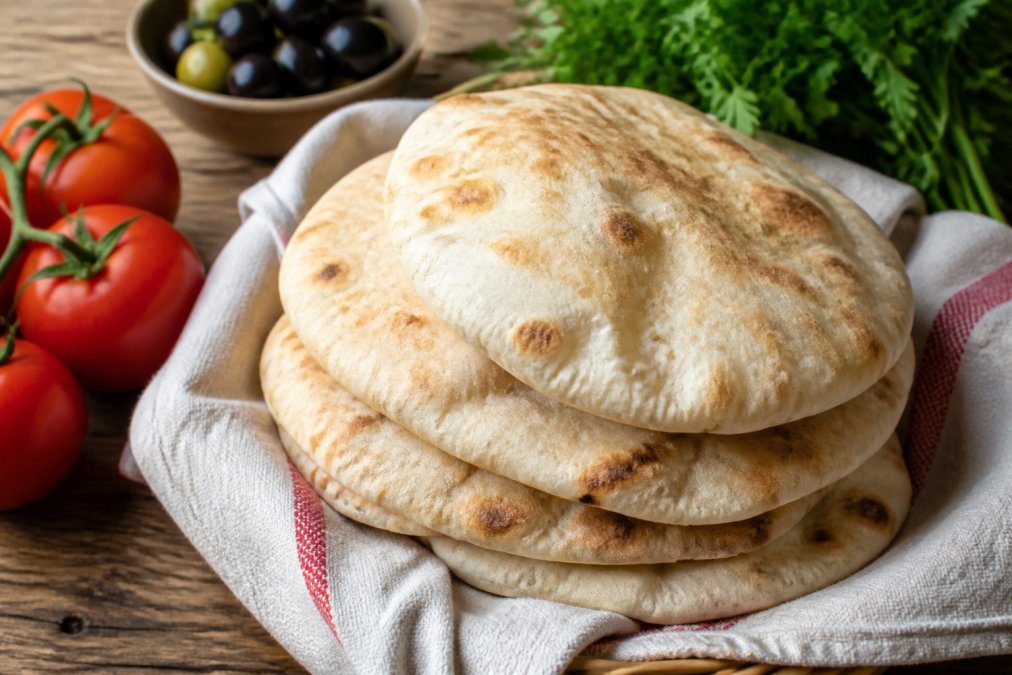
Look for a pale, even surface with a slight sheen and a few toasty brown blisters where the dough hit a hot surface. Fresh pita smells clean and faintly yeasty, with a warm wheat aroma. Any sour, musty, or damp-cardboard smell is your first warning sign.
A puffy, domed top tells you the dough proofed properly and the air pocket formed during baking. Flat, deflated rounds usually mean the bread sat too long or was pressed during cooling. For a deeper look at how commercial bakeries handle bread safety and spoilage, the USDA Food Safety and Inspection Service guidance on food spoilage is a solid reference.
The Tactile Test: Softness, Flexibility, and the Air Pocket
Fresh pita is pliable and soft, bending without cracking. Press a thumb gently into the center: it should spring back and leave only a faint indentation. If the surface feels leathery or the edges snap when folded, the bread has lost its moisture content and is heading toward stale.
The air pocket matters more than most people realize. A well-formed pocket means the pita was baked at high heat, which steamed the interior and created that hollow center. When you cut in, the pocket should separate cleanly rather than tear into gummy clumps.
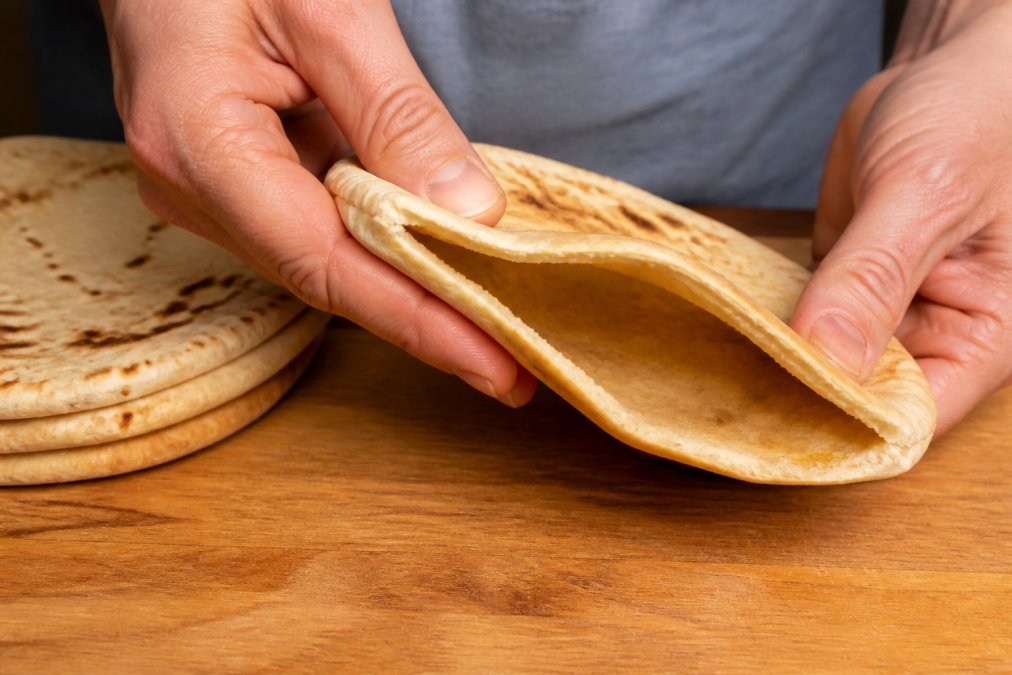
Whole wheat pita behaves slightly differently. It feels denser and less stretchy because the bran interrupts gluten development, but it should still fold without breaking. If you're comparing brands, check the ingredient list first: shorter lists with flour, water, yeast, and salt tend to hold up better than loaves loaded with preservatives.
Signs of Stale Pita Bread You Should Never Ignore
Stale pita tells you immediately. The most obvious signs of stale pita bread are a dry, brittle texture, curled edges, and a dull, matte surface where the sheen has faded. Bite into it and you'll get a crumbly, chalky mouthfeel instead of a chewy texture.
Here's a quick reference for telling the difference:
| Indicator | Fresh Pita | Stale Pita |
|---|---|---|
| Surface | Slight sheen, soft blisters | Dull, dry, curled edges |
| Fold test | Bends without cracking | Snaps or tears |
| Aroma | Warm, yeasty, nutty | Musty or neutral |
| Separates cleanly | Gummy or collapsed | |
| Texture | Chewy, pliable | Crumbly, chalky |
Mold growth is the hard stop. Any fuzzy green, blue, or black patches mean the whole package goes in the trash, not just the affected piece. Mold spores spread through soft bread well before they're visible (the CDC). According to the CDC guidance on mold and food safety, you should discard soft breads entirely once mold appears rather than trying to salvage them.
The Best Pita Bread for Gyros: What to Look For
The best pita bread for gyros is thick enough to hold generous fillings without tearing, soft enough to fold around meat and tzatziki, and sturdy enough to survive a few minutes of steam from hot fillings. Thin, brittle rounds fall apart the moment you add sauce.
Texture is the deciding factor. You want a chewy crumb structure with a pocket that opens easily, so you can tuck in chicken, lamb, beef, or pork without the bread splitting. A pita that's too dry will crack along the fold; one that's too moist turns soggy and falls apart halfway through eating.
Match the Style to the Job
Not all pita is built the same, and the freshness cues shift with the style. Knowing which one you're holding keeps you from mistaking a normal trait for a defect.
- Middle Eastern-style (pocketed): Baked at high heat so the dough puffs and splits into a hollow pocket. Freshness shows up as a domed top, a pocket that separates cleanly, and a thin, pliable wall. If the pocket is gummy or collapsed, the bread is past its prime. These rounds are usually thinner, which makes them ideal for stuffing but less forgiving if you overload them.
- Greek-style (no pocket): Thicker, softer, and often sold as a flat round meant for wrapping rather than stuffing. Because there's no pocket to check, judge freshness by feel: it should bend easily, spring back when pressed, and show a slight sheen. A Greek-style pita that feels dense and dry is stale, not "hearty."
If you're used to one style and pick up the other, adjust your expectations on foldability and filling capacity rather than assuming the bread is stale. A pocketless Greek round isn't defective, it's just designed for a different kind of wrap.
What to Check Before You Buy
- Turnover: A bakery or shop that sells through its pita daily will have softer, fresher rounds than a shelf-stable package that's been sitting for months. Ask when the bread was baked if you can.
- Size: For gyros specifically, choose rounds at least 8 inches across. Smaller pitas can't hold a full serving of meat, vegetables, and sauce without tearing at the seam.
- Ingredient list: Shorter lists with flour, water, yeast, and salt tend to hold up better than loaves loaded with preservatives, which can mask staleness and add an off taste.
- Squeeze test: Gently press the stack. Fresh pita gives slightly and springs back; a stack that feels stiff and unyielding has already started to dry out.
A gyro is only as good as the wrap holding it, and a stale or brittle pita ruins even the best-seasoned meat. Prioritize bakery-fresh rounds with high turnover, and match the style to how you plan to fill it.
How to Store Pita Bread So It Stays Fresh Longer
Knowing how to store pita bread correctly extends its shelf life from a day or two to nearly a week. The enemy is air, which pulls moisture out of the bread and turns it leathery within hours. But the bigger variable most guides ignore is the packaging material itself, because it decides whether trapped moisture helps or hurts.
Here's the storage method that works:
- Let the pita cool completely if it's still warm from the bakery. Sealing warm bread traps steam, and that condensation is what feeds mold.
- Wrap the stack tightly in a clean kitchen towel or beeswax wrap.
- Slide the wrapped stack into a resealable plastic bag, pressing out excess air.
- Store at room temperature away from direct sunlight.
- Re-wrap after each use to keep the remaining pita from drying out.
Why Packaging Material Changes the Clock
Plastic and paper do opposite jobs, and picking the wrong one shortens shelf life fast.
- Plastic (resealable bags, plastic wrap, vacuum-sealed bags): Blocks air and moisture almost completely. That keeps pita soft for days, but it also traps the moisture that mold needs. A sealed plastic bag left on a warm counter is the fastest route to fuzzy green patches. Plastic is the right call for short-term storage you'll finish within a few days, and it's essential for the freezer.
- Paper (bakery bags, parchment, paper towels): Breathes, so it releases excess moisture and slows mold growth. The trade-off is that it also lets the bread dry out, so paper alone turns pita leathery within a day. Paper is best for same-day storage or for a bakery bag you'll transfer to plastic once the bread has cooled.
- The hybrid that works best: Wrap in paper or a towel first to absorb surface moisture, then place that bundle inside a plastic bag with the air pressed out. You get the mold-slowing benefit of paper and the moisture retention of plastic.
Refrigeration is the wrong move for everyday storage. Cold temperatures speed up the staling process by forcing starch molecules to crystallize faster, so bread that was soft at night can be firm by morning. Save the fridge for pita you plan to eat within a day or two, and use the freezer for anything longer.
A vacuum-sealed bag beats a thin produce bag every time for long-term storage, because it blocks both air and moisture loss. But vacuum sealing only pays off if the bread is dry and mold-free going in, sealing in a single spoiled round contaminates the whole stack.
Revival Techniques: Bringing Stale Pita Back to Life
Stale pita isn't always a lost cause. If it's dry but not moldy, a little heat and moisture can bring back much of its original softness. This is one of the techniques most guides skip, and it's genuinely useful when you've got a package that's a day past its prime.
The damp-towel method: Run a clean kitchen towel under water, wring it out so it's damp but not dripping, wrap the pita in it, and microwave in 15-second bursts until warm and pliable. The steam softens the crumb structure and restores flexibility.
The oven method: Sprinkle a few drops of water on each pita, stack them, wrap in foil, and warm in a 350°F oven for about 5 minutes. This works better for larger batches and gives you a slightly crisper exterior.
The skillet method: For a single pita, heat a dry skillet over medium heat and warm the bread for 20 to 30 seconds per side. This won't add moisture, but it revives the aroma and makes the bread more pliable for folding.
Freezing and Thawing Protocols for Long-Term Storage
Freezing is the best way to keep pita for weeks without losing quality, but freezer burn will ruin it if you skip the wrapping. The fix is a two-layer approach that blocks both air and moisture.
Start by separating the pita with sheets of parchment paper so they don't fuse together. Wrap the stack tightly in plastic wrap, then again in foil or a freezer bag, pressing out as much air as possible. Label with the date and use within two to three months for the best texture.
Thawing matters just as much as freezing. Move the wrapped stack to the counter and let it come to room temperature for about an hour. If you're in a hurry, unwrap and warm individual pita in the microwave for 20 seconds, then finish in a dry skillet to crisp the exterior. Skipping the skillet step leaves you with a steamed, slightly rubbery texture that's fine for wraps but not ideal for dipping.
One more note on regional variety: Greek-style pita tends to be thicker and softer than Middle Eastern varieties, which are often thinner and more pocket-focused. If you're used to one style and pick up the other, adjust your expectations on foldability and filling capacity rather than assuming the bread is stale.
Frequently Asked Questions
How long will fresh pita last?
Fresh pita bread from a bakery lasts about 2 to 3 days at room temperature when kept in a sealed plastic bag. Store-bought pita with preservatives may last 5 to 7 days unopened. For longer storage, freeze pita in an airtight bag for up to 2 months. Always check for mold growth, off smells, and hardened texture before eating, since freshness depends on how it was packaged and stored.
What type of pita is best for gyros?
The best pita bread for gyros is soft, pliable, and slightly thicker than pocket-style pita. Look for a flatbread with a tender crumb structure and enough flexibility to wrap around meat and toppings without tearing. A fresh pita with a visible air pocket and a light, yeasty aroma works best. Avoid dry, brittle pita that cracks when folded, since it will fall apart under the weight of gyro fillings.
How can you tell if pita bread has gone bad?
Signs of stale pita bread include a hard, brittle texture that cracks instead of bending, a dry surface with no softness, and a dull or cardboard-like smell. Mold growth appears as green, white, or black spots and means you should discard the pita immediately. If the pita feels leathery, smells sour, or has lost its pliable quality, it has passed its prime and should be replaced or revived with heat.
Fresh pita is the difference between a gyro that falls apart in your hands and one that holds together bite after bite. Gyro Kingdom makes that call every morning, using fresh pita and freshly prepared chicken, lamb, beef, and pork so the bread and the filling are both at their best. If you're in Brick or anywhere in Ocean County and want to taste what fresh actually means, order online for pickup or delivery, or ask about catering for your next event. Try it today.