 how-to
How to Plan Event Catering: A Step-by-Step Guide
Table of Contents
- Define Your Event Purpose and Goals
- How to Estimate Food Per Person for Catering
- Establish Your Catering Budget and Per-Head Costs
- Create a Catering Menu Planning Checklist
- Questions to Ask Catering Companies Before Booking
- Kostas Grill Alternatives for Catering: Finding the Right Fit
- Plan Event Catering Logistics: Venue, Timeline, and Coordination
- Manage Dietary Restrictions, Allergies, and Sustainability
- Frequently Asked Questions
Last Updated: September 3, 2026
Define Your Event Purpose and Goals
The foundation of any successful event catering plan starts with clarity about what you're hosting. Before contacting a catering company, know your event's purpose, expected guest count, dietary requirements, and overall vision.
Ask yourself: Are you hosting a corporate lunch, wedding reception, birthday celebration, or networking mixer? Each demands different approaches. A formal gala requires plated dinner service; a casual company picnic works better with buffet service and hors d'oeuvres stations. The purpose determines the tone, which determines the menu, which determines the cost.
Document your event's core details: date, time, venue, expected guest count, and special requirements (dietary restrictions, cultural preferences, sustainability considerations). This becomes your reference point for every conversation with potential caterers.
How to Estimate Food Per Person for Catering
The question "how much food do I need?" is critical in event catering planning. Underestimate and guests leave hungry; overestimate and you waste money and food.
For a cocktail reception with hors d'oeuvres only, plan for 6-8 pieces per person per hour (nfpa.org). A 2-hour event means 12-16 pieces total per guest. If serving appetizers alongside a full meal, reduce appetizers to 3-4 pieces per person.
For plated dinner or buffet service, estimate 1.5 pounds of food per person (nfpa.org). For lunch events, plan 1.25 pounds per person. For breakfast, 0.75 pounds per person is standard.
Ask your caterer to provide recommendations based on your guest demographic. Younger crowds at casual events eat differently than formal business dinners. The catering company's experience with similar events gives you real data rather than generic estimates.
Establish Your Catering Budget and Per-Head Costs
Budget is the constraint that forces all other decisions. Determine how much you can spend total and per person before planning logistics or selecting a menu.
Start by working backward from your total budget. If you have $3,000 for catering and expect 100 guests, your per-head cost is $30. This shapes everything: service style, menu complexity, beverage options, and staffing levels.
Per-head costs vary dramatically based on service style and menu quality. Buffet service typically costs less than plated dinner service. Simple menus cost less than elaborate multi-course affairs. Authentic Greek cuisine from a restaurant like Gyro Kingdom often delivers value because you're working with a kitchen that specializes in quality ingredients and generous portions.
When evaluating pricing, ask caterers to break down costs: food cost per person, service staff fees, equipment rental, gratuity and service fees, and delivery or setup charges. Itemized quotes let you negotiate individual components.
Don't automatically choose the cheapest option. A slightly higher per-head cost often means better food quality, more attentive service, and fewer problems on event day.
Create a Catering Menu Planning Checklist
Your menu is the centerpiece of the guest experience. A thoughtful menu reflects your event's tone, accommodates dietary restrictions, and delivers memorable flavors.
Start by choosing a menu theme. Are you going casual or upscale? Are you honoring a specific cuisine or keeping it universally accessible? The theme narrows your options and makes planning clearer.
Next, address dietary requirements and allergies. Ask your guest list in advance about vegetarian, vegan, gluten-free, dairy-free, nut allergies, and religious dietary restrictions. A comprehensive catering menu planning checklist should include:
- Protein options (at least one vegetarian choice)
- Starch or grain component
- Seasonal vegetables or salad
- Bread or rolls
- Sauce or dressing options
- Dessert (consider allergies here too)
- Beverages (non-alcoholic and alcoholic if appropriate)
- Specialty items for dietary restrictions
- Garnishes and flavor accents
If working with a restaurant like Gyro Kingdom for event catering, you already have access to a proven menu. Their freshly made gyros, traditional Mediterranean sides, and generous portions eliminate menu development; you're using their expertise instead of starting from scratch.
Test your menu with a tasting session before finalizing. A professional caterer will offer this; it's your chance to adjust flavors, portion sizes, and plating before the actual event.
Questions to Ask Catering Companies Before Booking
Not all catering companies are equally equipped to handle your event. Before signing a contract, ask these critical questions:
About their experience: How many events similar to yours have they catered? What's their typical guest count range? Have they worked your venue before?
About food quality and sourcing: Do they make food fresh on-site or reheat prepared items? Do they use fresh, quality ingredients? For authentic cuisine like Greek food, do they have genuine expertise?
About dietary accommodations: How do they handle allergies and dietary restrictions? Do they have separate prep areas for allergen-free food? Can they provide ingredient lists and documentation?
About service and staffing: How many service staff will they provide? What's their staff-to-guest ratio? Are servers trained in your event's service style? What happens if a server doesn't show up?
About timeline and logistics: What's their load-in and load-out timeline? Do they handle setup and breakdown? What equipment do they provide? Will they need on-site kitchen access?
About the contract: What's included in the quoted price? Are gratuity and service fees separate? What's their cancellation policy? What happens if your final guest count changes?
About coordination: Who's your point of contact before and during the event? Will a manager be on-site during service? How do you communicate last-minute changes?
Kostas Grill Alternatives for Catering: Finding the Right Fit
When searching for quality event catering, you have several options. Understanding the differences helps you choose the right fit for your needs.
Full-service catering companies handle everything: menu planning, food preparation, service staff, equipment rental, setup, and breakdown. They're convenient if you want one vendor managing the entire experience. The trade-off is cost; full-service typically costs more because you're paying for coordination overhead.
Restaurant catering (like Gyro Kingdom's catering service) offers authentic cuisine with quality ingredients and experienced kitchen staff. You get the restaurant's proven recipes and cooking expertise without the overhead of a dedicated catering company. This works particularly well if you want a specific cuisine, because the restaurant specializes in it.
Buffet-style caterers focus on volume and simplicity. They're cost-effective for large groups and casual events. Verify their food handling practices, as food safety can be a concern with buffet service.
Drop-off catering means the caterer delivers food but doesn't provide service staff. You handle plating, serving, and cleanup. This is the most affordable option if you have volunteers or staff to manage service.
For event catering, Gyro Kingdom offers a compelling alternative to traditional catering companies. Their commitment to freshly made food, authentic Mediterranean flavors, and generous portions means your guests get restaurant-quality cuisine at catering prices. You're not paying middleman markups; you're working directly with the kitchen.
Match the catering approach to your event type and budget. A formal corporate dinner needs full-service coordination. A casual company lunch works fine with restaurant drop-off catering. A wedding typically benefits from full-service planning.
Plan Event Catering Logistics: Venue, Timeline, and Coordination
The operational side of event catering often determines success or failure. A beautiful menu means nothing if service staff are unprepared, food arrives cold, or the timeline falls apart.
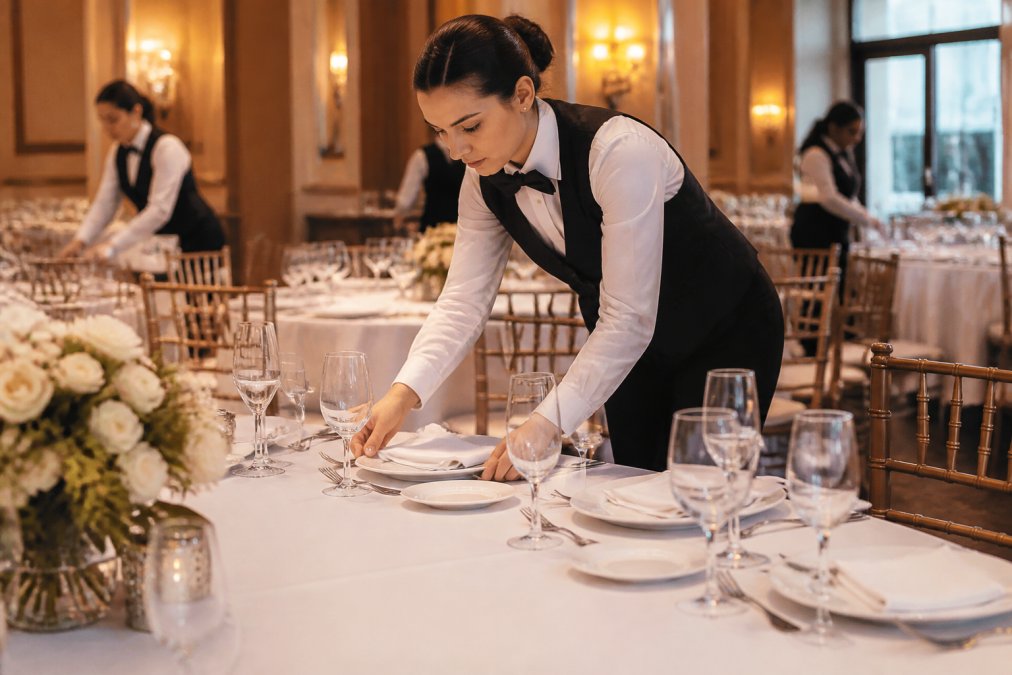
Start by understanding your venue's logistics. Does it have a kitchen, or will the caterer need to bring warming equipment? What's the load-in access? What's the electrical capacity for warming units? Are there restrictions on setup timing? These details affect how the caterer plans their operation.
Create a detailed event timeline working backward from your event start time. If guests arrive at 6 PM and you want food served by 6:30 PM, the caterer needs setup complete by 6:15 PM. This backward planning prevents last-minute scrambling.
Coordinate with your caterer on the floor plan. Where are serving stations? Where are bars? How does traffic flow? A well-designed floor plan prevents bottlenecks and ensures smooth service.
Discuss service style in detail. For plated dinner, clarify how courses will be served and when plates are cleared. For buffet service, confirm how food is replenished and how beverages are managed. For cocktail receptions, establish how frequently servers circulate.
Establish clear communication protocols. Who do you contact if something goes wrong during the event? Is there a manager on-site? What's the backup plan if a server doesn't show or equipment fails?
Manage Dietary Restrictions, Allergies, and Sustainability
Modern event catering requires attention to dietary restrictions, allergen awareness, and increasingly, sustainability and waste management.
Dietary restrictions are now standard. Vegetarian and vegan guests are common; gluten-free, dairy-free, and nut-free requirements are increasingly frequent. Collect detailed dietary information from your guest list. Don't assume; ask directly. Create a spreadsheet documenting each guest's restrictions.
Share this information with your caterer at least three weeks before the event. They need time to plan menu modifications and source specialty ingredients if needed.
Food allergies require more rigorous handling than preferences. Nut allergies, shellfish allergies, and severe gluten sensitivities can be life-threatening (the CDC). Ask your caterer about their allergen protocols: Do they have separate prep areas? Do they clean equipment between preparing allergen-free and regular food? Can they provide detailed ingredient lists?
For serious allergies, consider having the caterer prepare allergen-free portions separately and label them clearly. This prevents cross-contamination and gives allergic guests confidence in their safety.
Sustainability and waste management are increasingly important to event hosts and guests. Ask your caterer about their practices: Do they use compostable serving ware or reusable equipment? Do they have a plan for food waste? Can leftover food be donated to food banks? Do they source from local suppliers?
Reducing waste starts with accurate guest counts and realistic portion estimates. Work with your caterer to hit the right balance based on your specific guest profile.
Planning event catering doesn't have to be overwhelming. By defining your goals, estimating food needs accurately, establishing a realistic budget, and coordinating logistics carefully, you create the conditions for a successful event. The caterer you choose, whether a full-service company or a restaurant like Gyro Kingdom offering catering services, should be a partner in that process, not just a vendor. Look for a team that listens to your needs, demonstrates expertise with your event type, and commits to fresh, quality food. Get started with Gyro Kingdom and experience how authentic Greek cuisine, freshly prepared ingredients, and attentive service transform your next event into something your guests will remember.
Frequently Asked Questions
How do you calculate how much food to order for an event?
Start by multiplying your guest count by the per-person serving size: roughly 1.5 pounds of food per person for a full meal, or 0.5 to 1 pound for appetizers and hors d'oeuvres. Adjust based on event length, time of day, and whether alcohol is served. A lunch event needs less than an evening reception. Always add 10-15% extra for unexpected guests and to ensure no one leaves hungry.
What questions should I ask a caterer before booking?
Ask about their minimum guest count, service style options (plated, buffet, or passed appetizers), food safety certifications, staff-to-guest ratios, setup and breakdown times, equipment provided, allergen handling procedures, gratuity and service fees, cancellation policies, and whether they offer menu customization or tasting sessions. Request references and confirm they can accommodate your event date and venue logistics.
What are common catering mistakes to avoid?
Underestimating guest count and food quantities is the most frequent error. Failing to communicate dietary restrictions and allergies upfront can create serious issues. Booking too close to your event date limits vendor options. Not discussing venue logistics, load-in access, and on-site kitchen requirements leads to coordination problems. Skipping a contract or tasting session risks surprises on event day. Finally, not factoring in gratuity, service fees, and equipment rental costs inflates your final bill.
How far in advance should I book a caterer for my event?
Book 4-8 weeks ahead for most events, longer during peak season (spring and summer). For larger events over 100 guests, aim for 8-12 weeks. This gives caterers time to secure quality ingredients, coordinate with your venue, and confirm staffing. Last-minute bookings may limit menu options or incur rush fees. Always confirm your final guest count 2 weeks before the event so the caterer can adjust portions and staffing accordingly.