 ultimate-guide
Is Mediterranean Food Good for Weight Loss? What to Know
Table of Contents
- What Makes Mediterranean Food Different for Weight Loss
- Why Mediterranean Food Supports Weight Loss
- Mediterranean Diet Food List for Weight Loss
- Mediterranean Diet Portion Control: A Practical Guide
- Mediterranean Diet Meal Plan for Beginners
- Budget-Friendly Mediterranean Shopping Tips
- Staying on Track After the First Few Weeks
- Conclusion
- Frequently Asked Questions
Last Updated: September 5, 2026
What Makes Mediterranean Food Different for Weight Loss
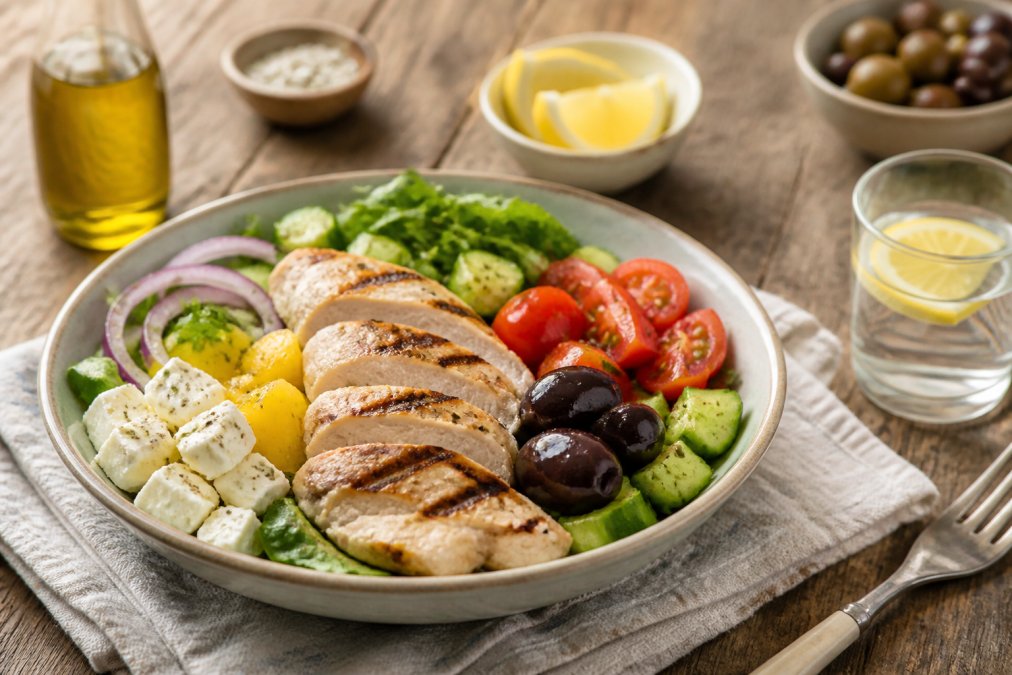
The Mediterranean diet is widely considered one of the most sustainable eating patterns for weight management because it prioritizes nutrient-dense whole foods over restrictive calorie counting. When people ask whether mediterranean food is good for weightloss, the short answer is yes, but the reasons go far deeper than simple calorie math.
What truly separates this eating style from others is its relationship with satiety and calorie density: foods like hummus, grilled chicken, and lentil soups are high in fiber and water content, filling your stomach while delivering fewer calories than the same volume of processed alternatives.
Why Mediterranean Food Supports Weight Loss
Mediterranean food supports weight loss through three interconnected mechanisms: high fiber intake, healthy fat composition, and improved blood sugar regulation.
Fiber slows digestion and stabilizes blood glucose, preventing energy crashes that trigger cravings. Monounsaturated fats from olive oil and omega-3s from fish promote fullness that lasts for hours.
Research consistently links this pattern to lower body mass index and reduced cardiovascular risk compared to a typical Western diet, because you replace processed foods with whole ingredients rather than simply eating less.
Mediterranean Diet Food List for Weight Loss
The mediterranean diet food list for weight loss centers on whole, minimally processed ingredients that are naturally low in calorie density and high in micronutrients. You do not need specialty products or expensive supplements, but you do need a clear sense of serving sizes, frequency, and how to swap items based on what's in season or on sale.
Foods to Prioritize Daily
Build every meal around these core groups, aiming for variety across the week. Serving sizes are based on the USDA's MyPlate framework and the traditional Greek dietary pattern.
- Vegetables and fruits: Tomatoes, leafy greens, peppers, eggplant, citrus, and berries provide antioxidants and fiber with minimal calories. Aim for at least 2 cups of vegetables and 1.5 cups of fruit per day. A serving is roughly one medium tomato, one cup of raw leafy greens, or one small orange. Frozen options like spinach, broccoli, and mixed berries are nutritionally equivalent to fresh and often cost less.
- Whole grains: Farro, barley, brown rice, and whole wheat pita supply steady energy and improve glycemic index responses. A serving is about half a cup cooked, which is roughly the size of a cupped hand. Choose whole grain pita over white, and check the ingredient list, the first word should be "whole." Steel-cut oats and quinoa also fit here.
- Legumes: Chickpeas, lentils, and white beans are protein-rich and exceptionally filling for their caloric cost. A serving is half a cup cooked, which delivers about 7-8 grams of protein and 6-8 grams of fiber (fdc.nal.usda.gov). Canned versions are fine; just rinse them to reduce sodium by up to 40% (fns.usda.gov). Aim for at least three servings per week, though many traditional Mediterranean households eat them daily.
- Healthy fats: Extra virgin olive oil, olives, and nuts deliver monounsaturated fats that support metabolic health. A serving of olive oil is one tablespoon (about 120 calories), and a serving of nuts is a small handful (about 1 ounce or 23 almonds). Use olive oil for dressing and finishing rather than deep frying, and measure it for the first few weeks, it is easy to overpour.
- Lean protein: Fish, chicken, and occasionally lamb or pork offer complete proteins without excess saturated fat. A serving is 3-4 ounces cooked, roughly the size of a deck of cards or the palm of your hand. Fatty fish like salmon, sardines, and mackerel should appear at least twice per week for their omega-3 content. Skinless chicken breast or thigh is a staple, and a 3-ounce portion of roasted chicken breast contains about 26 grams of protein.
- Dairy in moderation: Greek yogurt and small amounts of feta cheese add calcium and protein. A serving of Greek yogurt is one cup (about 20 grams of protein), and a serving of feta is about one ounce (roughly the size of your thumb) (fdc.nal.usda.gov). Choose plain, unsweetened yogurt and add your own fruit, as flavored versions often contain added sugar.
Foods to Limit or Skip
The mediterranean approach does not demand perfection, but certain items undermine progress if consumed regularly. Red meat appears only occasionally, once or twice per month, not weekly. Processed meats like deli turkey, bacon, and sausage are high in sodium and preservatives and should be minimized. Sugary beverages are the fastest way to add empty calories; a 12-ounce soda contains about 150 calories and 39 grams of sugar with zero satiety. Refined white bread, white rice, and commercially baked desserts are calorie-dense, low in fiber, and often contain added sugars that spike blood glucose and trigger overeating.
Smart Substitutions for Common Cravings
When a craving hits, use these swaps to stay on plan without feeling deprived:
- Craving chips? Try roasted chickpeas tossed in olive oil and sea salt, or raw vegetables with hummus.
- Craving ice cream? Freeze Greek yogurt with a drizzle of honey and a handful of berries.
- Craving a burger? Make a turkey or lentil patty and serve it on a whole grain pita with lettuce, tomato, and tzatziki.
- Craving pasta? Use whole wheat or legume-based pasta, and load the sauce with vegetables and a lean protein.
- Craving something sweet? A small handful of dates with a few almonds provides fiber and natural sweetness.
Building a Weekly Rhythm
A common weekly rhythm is to designate one night per week for fish, two nights for legumes, and the remaining nights for chicken or vegetarian meals. This reduces decision fatigue and ensures you hit the key nutrient targets without overthinking each meal.
Mediterranean Diet Portion Control: A Practical Guide
Mediterranean diet portion control is less about weighing food and more about understanding visual proportions that naturally balance your plate. The traditional Mediterranean plate is a composition where vegetables occupy the most space.
A practical framework is to fill half your plate with non-starchy vegetables, one quarter with lean protein or legumes, and the remaining quarter with whole grains or starchy vegetables. Drizzle one to two tablespoons of olive oil across the finished dish rather than cooking everything in it. This method ensures adequate fiber intake and prevents the portion distortion common in restaurant meals.
For those eating at casual dining spots, a common challenge is oversized servings. Ask for grilled proteins without heavy marinades, request extra vegetables in place of fries, and consider sharing or boxing half your meal before you start eating. These small adjustments allow you to enjoy Mediterranean flavors while keeping portion control intact.
| Plate Section | Foods to Fill It | Portion Size | Frequency |
|---|---|---|---|
| Half the plate | Non-starchy vegetables, salad | Unlimited | Every meal |
| One quarter | Chicken, fish, legumes | Palm of hand | Every meal |
| One quarter | Whole grains, potatoes | Cupped hand | 1-2 meals daily |
| Small addition | Olive oil, feta, olives | Thumb size | Daily |
Mediterranean Diet Meal Plan for Beginners
A mediterranean diet meal plan for beginners does not require elaborate recipes or hard-to-find ingredients, just a rhythm of simple, repeatable meals you can prepare in under 30 minutes.
For breakfast, Greek yogurt with berries and walnuts provides protein and antioxidants. Lunch can be a grain bowl with farro, chickpeas, cucumber, tomato, and a lemon-olive oil dressing. Dinner might feature grilled chicken or fish with a large side salad and roasted vegetables. Snacks of hummus with raw vegetables or a handful of almonds bridge the gap between meals.
Avoid overhauling every meal overnight. Start by upgrading one meal per day and gradually shift your grocery list toward whole ingredients. Weekend meal prep, washing vegetables and cooking a batch of grains, reduces weekday friction.
Budget-Friendly Mediterranean Shopping Tips
Eating this way does not require a specialty grocery budget. The mediterranean diet food list for weight loss relies heavily on pantry staples that are among the most affordable items in any supermarket. The perception that this diet is expensive persists because marketing focuses on imported olive oil, fresh salmon, and artisanal cheeses, but a Mediterranean-style grocery list can cost less than a typical American fast-food habit if you shop strategically.
Start with the Pantry, Not the Produce Aisle
The foundation of this diet is shelf-stable, so you can stock up when prices are low and always have a meal within reach. Canned chickpeas, lentils, and white beans cost between $1.00 and $1.50 per can and provide roughly 3.5 servings of plant-based protein each. A one-pound bag of dried lentils costs about $2.00 and yields about 7 servings, less than 30 cents per serving.
Buy Olive Oil and Nuts in Bulk
Extra virgin olive oil is the most expensive staple, but buying a 3-liter tin rather than a 500-milliliter bottle reduces the per-ounce price by roughly 30-40%. Store it in a cool, dark cabinet and use it primarily for dressings and finishing rather than high-heat cooking, where a cheaper neutral oil works just as well. Buy raw almonds, walnuts, and pistachios in bulk and portion them into small containers to prevent overeating.
Rethink Your Protein Purchases
Fish does not have to mean fresh salmon fillets at $15 per pound. Canned sardines, mackerel, and tuna offer the same omega-3s at a fraction of the cost, often $2-3 per can. Frozen fillets are flash-frozen at peak freshness and frequently on sale for $6-8 per pound. For poultry, buy whole chickens or family packs of thighs, which are significantly cheaper per pound than boneless, skinless breasts.
Shop the Freezer and Canned Vegetable Aisles
Fresh produce is ideal but also the most perishable and often the most expensive part of the grocery bill. Frozen vegetables retain their nutritional value and allow you to stock up during sales without waste. When buying fresh, choose what is in season: leafy greens and citrus are cheapest in winter, while tomatoes, peppers, and eggplant drop in price during summer.
Build Meals Around Legumes Two or Three Nights per Week
Building meals around legumes two or three nights per week dramatically lowers the grocery bill while increasing fiber intake. A pot of lentil soup or chickpea stew costs very little per serving and freezes well. For example, a batch of lentil soup made with one bag of dried lentils ($2), one can of diced tomatoes ($1), one onion ($0.50), carrots and celery ($1), and vegetable broth ($1.50) yields about six generous servings, roughly $1 per serving.
A Sample Budget Shopping List (Under $60 per Week for One Person)
This list is based on average national grocery prices and assumes you already have basic spices, salt, and pepper on hand. It covers roughly 21 meals and snacks for the week:
| Item | Quantity | Estimated Cost |
|---|---|---|
| Extra virgin olive oil (bulk tin) | 1 liter (amortized) | $5.00 |
| Canned chickpeas | 3 cans | $3.00 |
| Canned lentils | 2 cans | $2.00 |
| Canned tuna or sardines | 3 cans | $6.00 |
| Frozen spinach | 2 bags | $3.00 |
| Frozen mixed vegetables | 2 bags | $4.00 |
| Brown rice or farro (bulk) | 2 pounds | $4.00 |
| Whole wheat pita | 1 package | $3.00 |
| Eggs | 1 dozen | $3.00 |
| Greek yogurt (plain, large tub) | 32 ounces | $5.00 |
| Bananas | 1 bunch | $1.50 |
| Apples or oranges | 3 pounds | $4.00 |
| Onions and garlic | 1 bag | $2.00 |
| Carrots and celery | 1 bunch each | $2.00 |
| Canned tomatoes | 2 cans | $2.00 |
| Almonds (bulk) | 1 pound | $5.00 |
| Total | ~$54.50 |
This list is flexible, swap in whatever produce is on sale that week. Anchor your meals around the cheap, filling staples and use more expensive items as flavor and nutrition accents rather than the center of every plate.
The Bottom Line on Budget
The Mediterranean diet is not a luxury eating pattern. It is built on peasant food traditions, beans, grains, garden vegetables, and modest amounts of olive oil and fish. By prioritizing pantry staples, buying in bulk, and using frozen produce, you can eat this way for less than the cost of a typical American diet of processed foods and takeout.
Staying on Track After the First Few Weeks
The initial enthusiasm for any new eating pattern fades, and this is where most people abandon their efforts. Boredom with meals and social pressure are the real test of whether mediterranean food is good for weightloss in the long term. A weight loss plateau around week three or four is normal as water weight stabilizes and the body adjusts to a lower calorie intake.
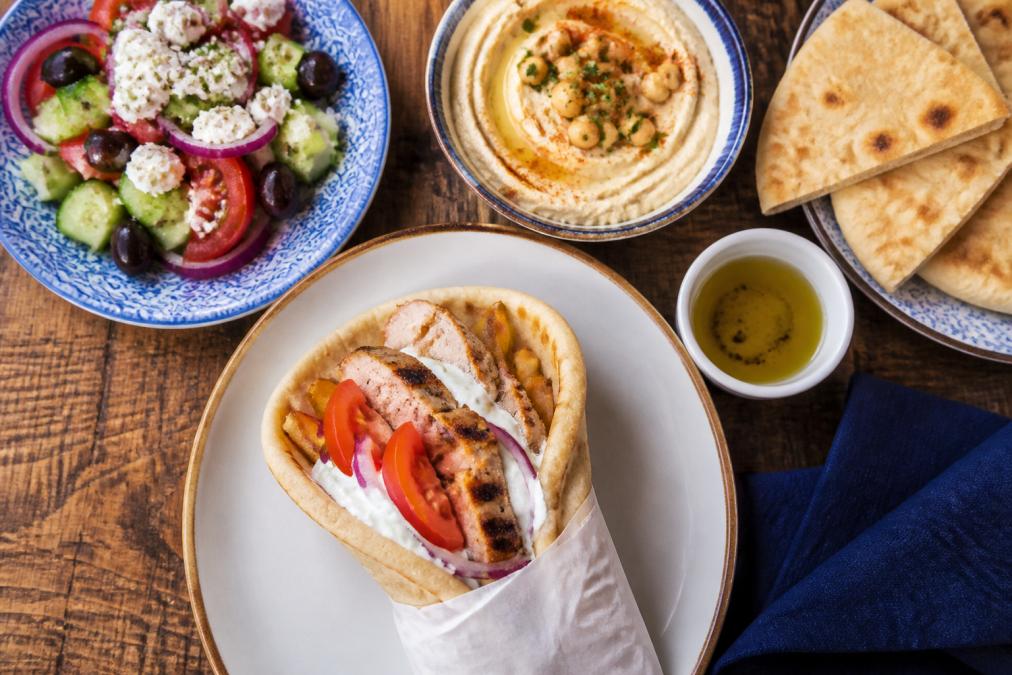
To maintain momentum, rotate your protein sources and vegetable preparations so meals do not feel repetitive. Grilled chicken can become chicken souvlaki, and roasted vegetables can become a warm salad with feta. Give yourself permission to enjoy traditional favorites in moderation, including gyros and spanakopita, rather than labeling them off-limits.
Conclusion
Mediterranean food supports weight loss because it addresses the root causes of overeating, namely low satiety and blood sugar instability, rather than relying on sheer restriction.
For those in the Brick, NJ area looking to experience these principles in practice, Gyro Kingdom offers freshly made gyros with chicken, lamb, beef, or pork, alongside Greek salads and other traditional dishes prepared with fresh ingredients. Our generous portions are built around the same Mediterranean staples that support balanced eating, and our team is happy to accommodate requests for extra vegetables or lighter preparation. Experience authentic Greek cuisine without the travel, and see how satisfying healthy eating can be. Get started with Gyro Kingdom and discover why we are ranked among the top Greek restaurants in Ocean County.
Frequently Asked Questions
Does the Mediterranean diet restrict calories?
No, the Mediterranean diet does not require strict calorie counting. Weight loss happens because the eating pattern emphasizes low-calorie-density foods like vegetables, legumes, and whole grains that keep you full. You naturally eat less without feeling deprived. Portion control still matters, especially with calorie-dense items like olive oil, nuts, and cheese. Most people find they lose weight by simply swapping processed snacks for whole, plant-based foods and paying attention to hunger cues.
Can you lose weight on the Mediterranean diet without exercising?
Yes, you can lose weight on the Mediterranean diet without a formal exercise routine, because the dietary changes alone reduce your overall calorie intake. The high fiber and water content in vegetables, fruits, and legumes increase satiety, helping you eat less. However, adding regular physical activity accelerates weight loss and supports long-term weight management. Start with daily walks and build from there. The diet's flexibility makes it easy to pair with any activity level.
Is hamburger ok on a Mediterranean diet?
Lean beef in moderation fits within the Mediterranean diet, but a traditional hamburger with a white bun and processed toppings is not ideal. Mediterranean eating prioritizes plant-based proteins like legumes and fish, with poultry and lean red meat eaten less frequently. If you want a burger, choose a lean cut, skip the cheese and mayo, and serve it on a whole grain bun with plenty of vegetables. Reserve it for an occasional meal rather than a weekly staple.
How many eggs a week should you eat on the Mediterranean diet?
The Mediterranean diet allows eggs in moderation, typically up to four eggs per week. Eggs provide high-quality protein and nutrients like choline, which supports metabolic health. They work well as a breakfast protein alongside vegetables and whole grain toast. If you have high cholesterol, focus on the saturated fat in your overall diet rather than egg intake alone. Pair eggs with plant-based sides like spinach and tomatoes for a balanced Mediterranean meal.
This article is for informational purposes only and does not constitute medical advice. Consult a healthcare provider before making significant dietary changes, especially if you have underlying health conditions.