 how-to
Ordering Catering for Office Events in Brick: 2026 Guide
Table of Contents
- How to Order Office Catering in Brick: A Step-by-Step Guide
- How Much Food to Order Per Person for an Office Event
- Catering for a 50-Person Event: Scaling Menus and Quantities
- Dietary Requirements for Office Catering: Building an Inclusive Menu
- Catering Delivery Timing: Getting Hot Food to the Office on Schedule
- Budgeting and Comparing Local Catering Options
- Common Mistakes to Avoid When Ordering Office Catering
- Frequently Asked Questions
Last Updated: October 15, 2026
How to Order Office Catering in Brick: A Step-by-Step Guide
Ordering catering for office events in Brick comes down to two decisions: knowing how many people you're feeding, and choosing a menu format that travels well. This guide from Gyro Kingdom walks through the full process, from locking in your headcount to timing a delivery so the food is still hot when it hits the conference table.
Step 1: Lock In Your Headcount and Date
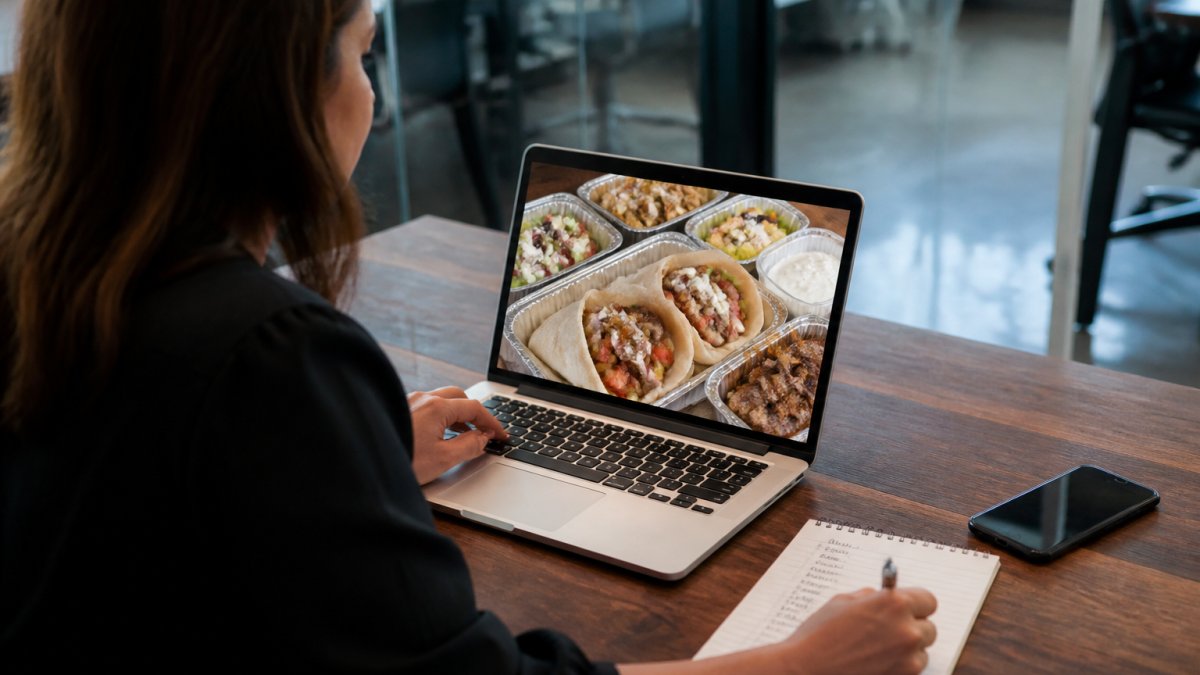
Confirm your headcount 10 to 14 days before the event, then add a 10% buffer for last-minute attendees. Send a calendar hold with an RSVP deadline at least five days out, and treat that number as your ordering figure.
Date matters just as much as count. Midweek lunches are easiest to schedule, while Friday afternoons and holiday weeks fill up fast. If your event falls near a holiday, book earlier and confirm the date in writing.
Step 2: Choose Your Menu Format and Place the Order
Match the format to the room, not your personal taste. Buffet and tray service work for seated or standing crowds. Individually packaged meals suit meetings where people eat at their desks.
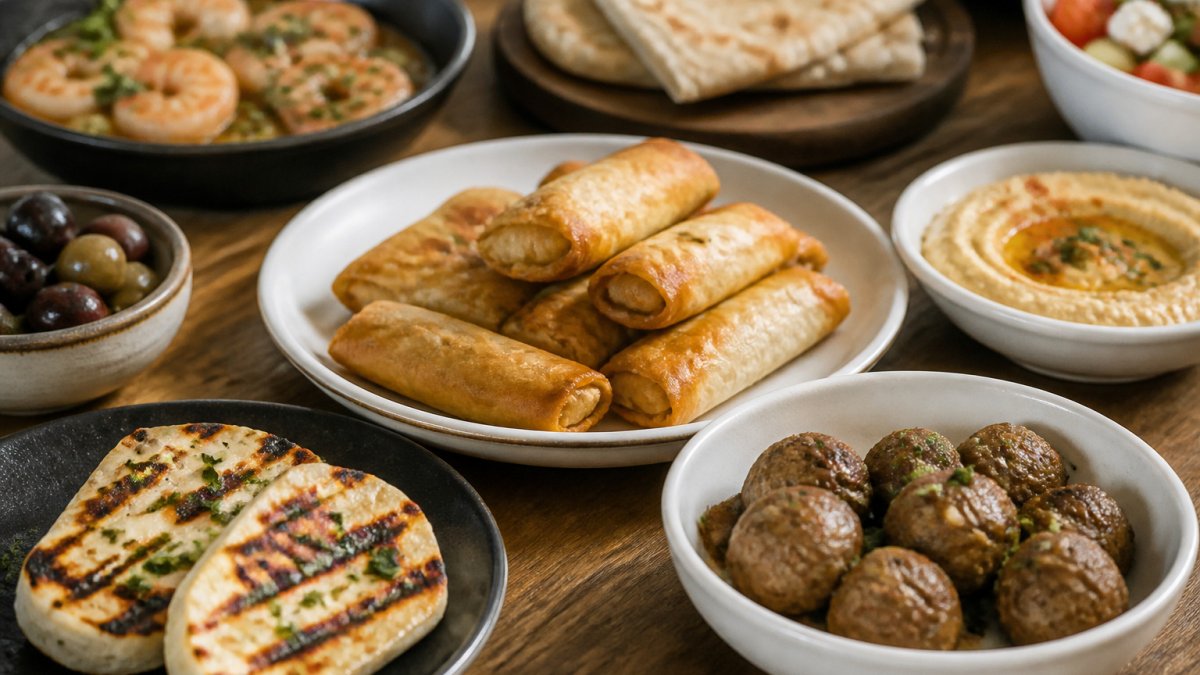
For a Greek spread, a mix of proteins, starches, and salads gives the widest coverage for the least risk. Place your order, confirm the delivery window, and ask for written confirmation listing every item, quantity, and drop-off time, that document is what you check against when the food arrives.
How Much Food to Order Per Person for an Office Event
A safe rule is 1 to 1.5 servings of protein per person, 1.5 to 2 sides per guest, and roughly 1.5 pounds of total food per person for a full meal.
The variables that push you up or down:
- Event length: A 30-minute lunch needs less than a three-hour reception.
- Time of day: A late-morning event means people have already eaten breakfast.
- Menu richness: Heavy, saucy entrées fill people faster than light salads.
Portion planning is where most offices either run out or throw away half a tray. Aim for the middle, and keep one backup tray of a crowd-pleasing item on hand.
Catering for a 50-Person Event: Scaling Menus and Quantities
For 50 people, build your order around three protein options, two starches, two salads, and one vegetarian entrée. That covers most dietary preferences without doubling your cost, the harder question is how much of each to order. Balancing these savory portions ensures your guests remain satisfied, though rounding out the service with mobile coffee options provides the necessary energy to sustain the afternoon session.
Convert Headcount Into Quantities
Use per-person targets, then multiply by your confirmed headcount plus a buffer. A starting framework for a full lunch:
| Category | Per-person target | For 50 people (+10% buffer = 55) |
|---|---|---|
| Protein entrées | 1 to 1.5 servings | 55 to 83 servings, split across 3 options |
| Starches | 1.5 to 2 sides | 83 to 110 side servings, split across 2 trays |
| Salads | 1 to 1.5 servings | 55 to 83 servings, split across 2 bowls |
| Sauces and sides | 3 to 4 items | 3 to 4 items, portioned for 55 |
| Dessert | 1 serving | 55 to 60 pieces |
| Total food weight | About 1.5 lb per person | Roughly 75 to 83 lb total |
These are planning targets, not rules. Adjust up for a three-hour reception or an adult-skewing crowd, and down for a 30-minute lunch or a late-morning event.
Split the Headcount Across Proteins
With three protein options, don't divide 55 servings evenly into thirds. Weight the split toward the crowd-pleaser:
- Chicken or the most familiar option: about 50% of protein servings
- Beef or lamb: about 30%
- Vegetarian entrée: about 20%
This matters because vegetarian entrées are often chosen by non-vegetarians too, and the most familiar protein runs out first. If your guest list skews vegetarian, shift the split, but keep at least two options in every category.
Trays vs. Individual Meals at This Size
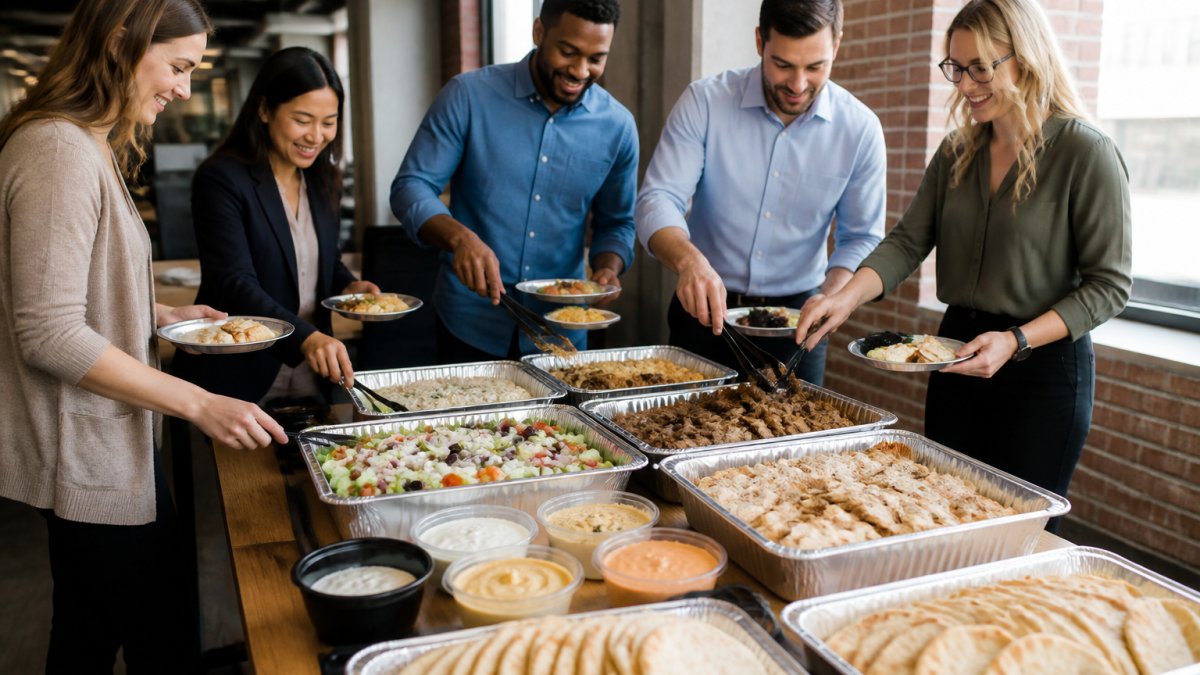
At 50 people, trays almost always beat individually packaged meals on cost and waste:
- Trays let guests take what they want, which reduces the amount of food thrown away when appetites vary. They also cost less per serving because there is no per-meal packaging.
- Individual meals are better when people eat at their desks, when the event has a strict start time, or when you need guaranteed portion control.
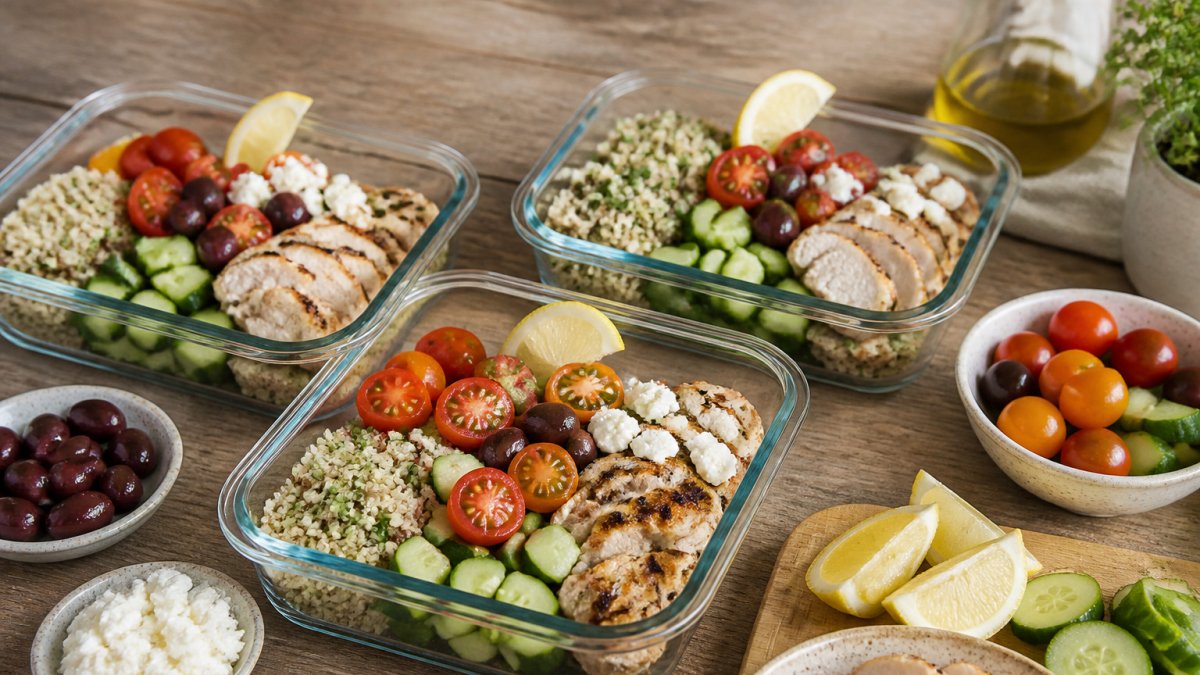
A hybrid works well: trays for the main spread, plus a few individually packaged meals for anyone with a dietary restriction who needs a guaranteed safe option.
Confirm Capacity Before You Commit
A 50-person order can strain a caterer's kitchen on a busy date. Confirm three things in writing:
- That the caterer can handle a 50-person order on your specific date, graduation season, holidays, and Friday afternoons fill up first.
- The delivery window and setup plan, a 50-person spread takes longer to set up than a 12-person lunch, so build in more buffer.
- The change and cancellation deadline, headcount often shifts in the final week, and you want to know the last day you can adjust quantities without a fee.
Dietary Requirements for Office Catering: Building an Inclusive Menu
Plan for four categories: vegetarian, vegan, gluten-free, and nut-free. Ask about restrictions in the same RSVP form you use for headcount, and label every tray clearly at setup.
The practical moves that prevent problems:
- Choose dishes that are naturally vegetarian rather than modified versions.
- Keep gluten-free items on a separate tray with separate serving utensils.
- Confirm with the caterer whether sauces contain dairy, nuts, or gluten.
Cross-contamination is the detail most organizers miss. A gluten-free salad served with the same tongs as a pita tray is no longer gluten-free. Ask the caterer to package restricted items separately, and place them at their own station.
Catering Delivery Timing: Getting Hot Food to the Office on Schedule
Schedule delivery 30 minutes before your event start time. That window lets you set up, label trays, and handle issues before guests arrive, without letting hot food sit and cool.
Build your timeline backward:
- Event start: when guests arrive.
- Setup: 20 to 30 minutes before.
- Delivery window: 30 to 45 minutes before.
- Confirmation call: the morning of the event.
Ask for a delivery window, not a single time, and get a contact number for the driver. If your building requires a loading dock or front-desk check-in, tell the caterer in advance, a driver stuck at security is the fastest way to serve cold food.
Budgeting and Comparing Local Catering Options
Per-person pricing depends on quantity, menu choices, and delivery, so ask each caterer for a written quote rather than relying on a posted menu. The cheapest headline price often excludes delivery, setup, or gratuity, where most office budgets get surprised.
Build a Budget Framework Before You Call Anyone
Start with a per-person target, then work backward. Separate the food cost from the service cost, because they scale differently:
| Cost layer | What it covers | How it usually scales |
|---|---|---|
| Food | Entrées, sides, salads, bread, dessert | Per person; drops as headcount rises |
| Delivery | Driver time, mileage, drop-off | Flat fee or tiered by distance/order size |
| Setup and supplies | Chafing dishes, utensils, plates, labels | Flat fee or bundled into the order |
| Gratuity | Service staff or driver tip | Often a percentage of the food subtotal |
| Tax | Sales tax on prepared food | Percentage of the taxable subtotal |
When comparing quotes, normalize to a single number: total landed cost divided by confirmed headcount. A quote that looks cheaper per tray can lose once delivery, setup, and gratuity are added.
Questions That Reveal the Real Price
Ask every caterer the same six questions so the quotes are actually comparable:
- What is the minimum order? Many caterers set a dollar minimum (often tied to delivery), not a headcount minimum. A 12-person lunch may not qualify for delivery at all.
- Is delivery included, and is there a delivery radius? A fee that is waived inside a certain radius can change the math on a small order.
- Is setup included? Some caterers drop and go; others set up chafing dishes and label trays for an added fee.
- Are utensils, plates, and napkins included? These are frequently a separate line item.
- What is the gratuity policy? Ask whether it is automatic and what percentage it is based on.
- What is the cancellation and change deadline? This is the number that protects your budget if the event moves.
Lead Time and Minimums: The Two Constraints That Decide Everything
Lead time and minimum order size eliminate options fastest. A common pattern:
- Small orders (roughly under 15 people): Often pickup only, or delivery with a fee. Individually packaged meals work better than trays at this size.
- Mid-size orders (roughly 15 to 40 people): Delivery is usually available with a day or two of notice; tray service becomes cost-effective.
- Large orders (roughly 40+ people): Expect to book a week or more ahead, especially on Fridays and around holidays, and confirm the date in writing.
These thresholds vary by caterer, so treat them as questions to ask, not fixed rules. Know your headcount and date before you start calling, so you can filter out caterers whose minimums or lead times don't fit.
A Simple Comparison Scorecard
Score each caterer on the same criteria and total the columns:
| Factor | What to Check |
|---|---|
| Landed per-person cost | Total price (food + delivery + setup + gratuity + tax) divided by confirmed headcount |
| Minimum order | Whether your event size qualifies, and whether it is a dollar or headcount minimum |
| Delivery fee and radius | Included, flat, or tiered; whether your address is inside the radius |
| Lead time | How far ahead you must book for your headcount and date |
| Dietary options | Vegetarian, vegan, gluten-free, and nut-free availability, and whether labeling is included |
| Cancellation and change policy | Deadline and any fees for reducing headcount or moving the date |
| Setup and supplies | Whether chafing dishes, utensils, plates, and labels are included |
Local caterers differ most on delivery logistics and notice required. A restaurant that handles walk-in traffic well may still need a week or more for a large office order, so confirm availability early. Gyro Kingdom handles catering for gatherings across the area, from small team lunches to larger corporate events, and our enthusiastic and customer-focused team is dedicated to providing a welcoming atmosphere and outstanding hospitality to our beloved community.
Common Mistakes to Avoid When Ordering Office Catering
The mistakes that cause the most trouble are predictable, and avoidable with a little planning.
- Ordering to the exact headcount. Always add a small buffer.
- Skipping the dietary survey. One missed restriction can leave a guest with nothing to eat.
- Ignoring delivery logistics. Loading docks, parking, and building access all affect timing.
A short checklist before you finalize:
- Headcount confirmed with a 10% buffer
- Date and delivery window in writing
- Dietary restrictions collected and shared
Frequently Asked Questions
How far in advance should you order office catering?
For most office events, place your catering order at least one to two weeks ahead. Larger gatherings, such as catering for a 50-person event, often need two to three weeks of lead time so the kitchen can source ingredients and schedule staff. During busy seasons like the winter holidays or graduation weekends, book even earlier. If your headcount is still shifting, confirm a preliminary number and ask the caterer how late you can adjust it.
How much food should you order per person for an office event?
As a general rule, plan on 1.5 to 2 servings of each main dish per guest when multiple proteins are offered, plus 2 to 3 side servings. For a lunch-only event, about 1 pound of food per person covers most appetites. If the event runs longer than three hours or falls over a mealtime, add 20 to 30 percent more. Always ask the caterer for their per-person guidance based on your specific menu.
What dietary requirements should you ask about before ordering office catering?
Send a quick survey to your team covering vegetarian, vegan, gluten-free, dairy-free, nut allergies, and halal or kosher needs. Ask the caterer whether they can label each dish clearly and prepare allergen-free items separately to avoid cross-contact. A Mediterranean menu naturally covers many dietary needs, since grilled meats, salads, and rice dishes fit gluten-free and dairy-free diets with minor adjustments.
How can you make sure catering arrives on time and in good condition?
Confirm your delivery window in writing when you place the order, and ask whether the caterer uses insulated carriers for hot items. Schedule delivery 15 to 30 minutes before your event starts so there is buffer for setup. Designate one person to receive the order and check temperatures and item counts on arrival. If your office has limited parking or a loading dock, share those details with the catering team in advance.
Coordinating food for a team is one of those tasks that looks simple until the day arrives. Gyro Kingdom takes the guesswork out of it with freshly prepared Greek favorites, generous portions, and a team that knows how to handle orders for groups of every size. From gyros made daily to full catering spreads, we help offices across the area put on a lunch people actually remember. Get started with Gyro Kingdom and let us handle the food so you can focus on the people.