 ultimate-guide
Traditional Greek Sides and Appetizers: Complete List
Table of Contents
- What Defines Authentic Greek Flavor
- Dips and Spreads: The Foundation of Meze
- Cheese and Pastry Appetizers
- Vegetable-Based Sides and Meze
- Seafood and Meat-Based Meze
- How to Serve a Greek Mezze Platter
- Authentic Greek Mezedes Recipes and Regional Variations
- Conclusion
- Frequently Asked Questions
Last Updated: September 4, 2026
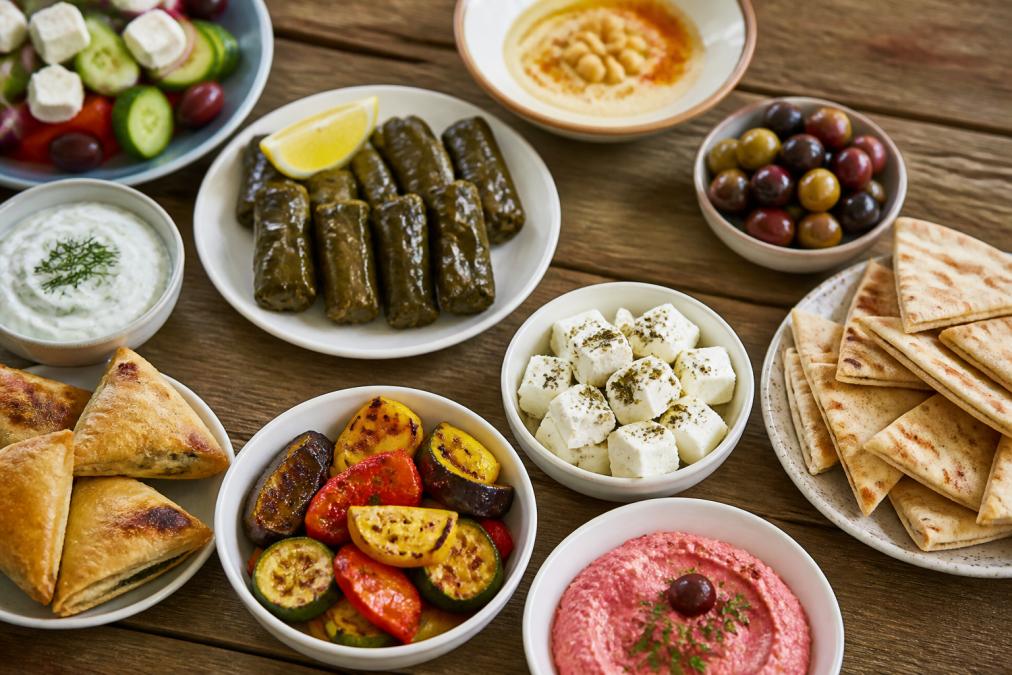
A traditional Greek sides and appetizers list is more than a menu; it is a blueprint for the Mediterranean diet and the meze tradition of shared, small-plate dining. These dishes prioritize fresh vegetables, quality olive oil, and simple preparation over heavy sauces, which is why this culinary style remains a global favorite. This guide breaks down the essential categories of Greek meze, from creamy dips to filo-wrapped pastries, so you can build an authentic spread at home or know exactly what to order with confidence.
What Defines Authentic Greek Flavor
Authentic Greek flavor rests on a foundation of a few high-quality ingredients rather than complex techniques. Extra virgin olive oil, lemon, oregano, and garlic appear repeatedly, while the star of most dishes is the produce or protein itself, simply prepared and allowed to shine.
Greek sides and appetizers are defined by their reliance on these core elements. The balance of tangy feta, briny kalamata olives, and fresh herbs creates a savory profile that is immediately recognizable. Unlike heavier cuisines, Greek meze feels light yet satisfying, making it a natural fit for health-conscious diners seeking vibrant, vegetable-forward options.
The Mediterranean diet, which heavily features these dishes, is consistently studied for its health benefits (peer-reviewed research). The emphasis on olive oil, legumes, and fresh vegetables over processed ingredients is a key reason this style of eating is recommended by nutrition experts and dietary guidelines, as documented by the U.S. Department of Agriculture's Dietary Guidelines.
Dips and Spreads: The Foundation of Meze
Every mezze platter begins with dips, as they are the most versatile and universally loved component of the table. These spreads serve as the base for pita bread, raw vegetables, and even grilled meats, setting the tone for the entire meal.
Tzatziki
Tzatziki is a creamy, tangy dip made from thick Greek yogurt, grated cucumber, garlic, and fresh dill. The key to a great tzatziki is draining the cucumber thoroughly to prevent the dip from becoming watery, ensuring a thick texture that clings to pita bread.
Hummus and Tirokafteri
Hummus, while common across the Eastern Mediterranean, is a staple in Greek meze, offering a smooth, nutty counterpoint to the brighter dips. Tirokafteri, a spicy whipped feta dip blended with roasted red peppers and chili flakes, delivers a savory kick that balances the cooler options on the table. Together, these three dips provide a range of textures and heat levels that satisfy every palate.
Cheese and Pastry Appetizers
Greek sides and appetizers often feature cheese, either baked, fried, or wrapped in delicate pastry, providing a rich and indulgent element. These dishes are frequently the showstoppers of the appetizer course due to their dramatic presentation and satisfying textures.
Saganaki and Feta Preparations
Saganaki is a pan-seared, golden-crusted cheese, typically kefalotyri or graviera, that is flambéed at the table in traditional tavernas. A simpler, equally popular approach is baked feta, where a block of feta is drizzled with olive oil, oregano, and sometimes honey or tomatoes, then roasted until soft and creamy. Both methods highlight the salty, savory nature of Greek cheese.
Spanakopita and Tiropita
Spanakopita is a savory pie made of spinach and feta cheese wrapped in layers of crispy filo pastry. Tiropita is the cheese-only version, usually filled with a mixture of feta and ricotta or cream cheese to create a rich, gooey interior. The contrast between the flaky, buttery filo and the salty filling is the hallmark of these beloved finger foods.
Vegetable-Based Sides and Meze
Vegetables take center stage in Greek cuisine, often simply grilled or roasted to enhance their natural sweetness. This category proves that greek sides and appetizers can be both healthy and deeply satisfying without relying on meat. The versatility of vegetable meze also makes this category ideal for accommodating dietary restrictions, vegan, gluten-free, and low-carb diners can build a complete spread from these options alone.
Roasted and Grilled Vegetables
Grilled eggplant and zucchini are ubiquitous in Greek cooking, often served as a side dish or pureed into spreads. A common preparation involves slicing these vegetables lengthwise into quarter-inch planks, brushing them generously with extra virgin olive oil, and grilling over medium-high heat until charred and tender (typically 4-6 minutes per side) (usda.gov). The char concentrates natural sugars and adds a smoky depth. After grilling, the vegetables are seasoned with oregano, sea salt, and a squeeze of fresh lemon juice, then often finished with minced garlic and parsley.
Beyond eggplant and zucchini, grilled peppers (both sweet bell peppers and long green peppers) are equally traditional. These are often served whole or halved, charred until the skin blisters, then peeled and dressed with olive oil, garlic, and vinegar. Grilled tomatoes, halved and brushed with oil, are another summer staple that pairs exceptionally well with tzatziki.
For make-ahead entertaining, grilled vegetables can be prepared up to 24 hours in advance and stored in an airtight container in the refrigerator. They are served at room temperature, which actually allows the flavors to develop further. This makes them an ideal component for a meze platter when hosting.
Roasted Vegetable Variations
Roasting offers a different textural outcome than grilling. Vegetables like Brussels sprouts, cauliflower florets, and baby potatoes are tossed with olive oil, oregano, garlic, and sea salt, then roasted at 425°F until golden and crispy at the edges (approximately 20-25 minutes). The high heat creates caramelization, deepening the natural sweetness. Roasted vegetables are typically served warm or at room temperature and hold well for 3-4 days when stored in a sealed container.
Stuffed Vegetables and Gemista
Gemista refers to a family of dishes where vegetables like tomatoes, bell peppers, and zucchini are hollowed out and stuffed with a savory rice mixture. The filling often includes herbs (mint, parsley, dill), pine nuts, and sometimes ground meat, though vegetarian versions are equally traditional and increasingly popular. The vegetables are arranged in a baking dish, drizzled with olive oil, and roasted at 375°F for 45-60 minutes until the vegetables are tender and the filling is cooked through.
As the vegetables roast, they release juices that mingle with the rice, creating a moist, flavorful dish that is served warm or at room temperature. Gemista is particularly suited to make-ahead preparation, it can be assembled the morning of serving and baked just before guests arrive, or prepared entirely the day before and gently reheated in a 300°F oven for 15 minutes.
Vegan and Gluten-Free Adaptations
All vegetable-based meze are naturally vegan when prepared with olive oil rather than butter or animal fats. For gluten-free diners, these dishes require no modification, making them a reliable anchor for any dietary-restricted guest. Stuffed vegetables can accommodate gluten-free diets by substituting quinoa or gluten-free rice for traditional rice, with no loss of authenticity or flavor.
Seafood and Meat-Based Meze
For those seeking heartier fare, Greek meze includes a variety of seafood and meat options that are simple, grilled, and heavily seasoned with lemon and oregano. These dishes are perfect for sharing and pair exceptionally well with the dips and salads.
Octopus, Calamari, and Dakos
Grilled octopus is a delicacy, prized for its tender texture and smoky flavor, typically served with a splash of olive oil and lemon. Dakos, a Cretan salad, features a barley rusk topped with chopped tomatoes, mizithra cheese, and oregano, offering a crunchy, refreshing bite that bridges the gap between salad and bruschetta.
Keftedes and Souvlaki Bites
Keftedes are Greek meatballs, traditionally made from a mixture of ground beef and lamb, seasoned with mint and oregano, and fried until golden. Souvlaki bites, or skewered grilled meat, are another staple, often served with a wedge of lemon and a side of warm pita. These savory bites provide the protein element that completes a meze spread.
How to Serve a Greek Mezze Platter
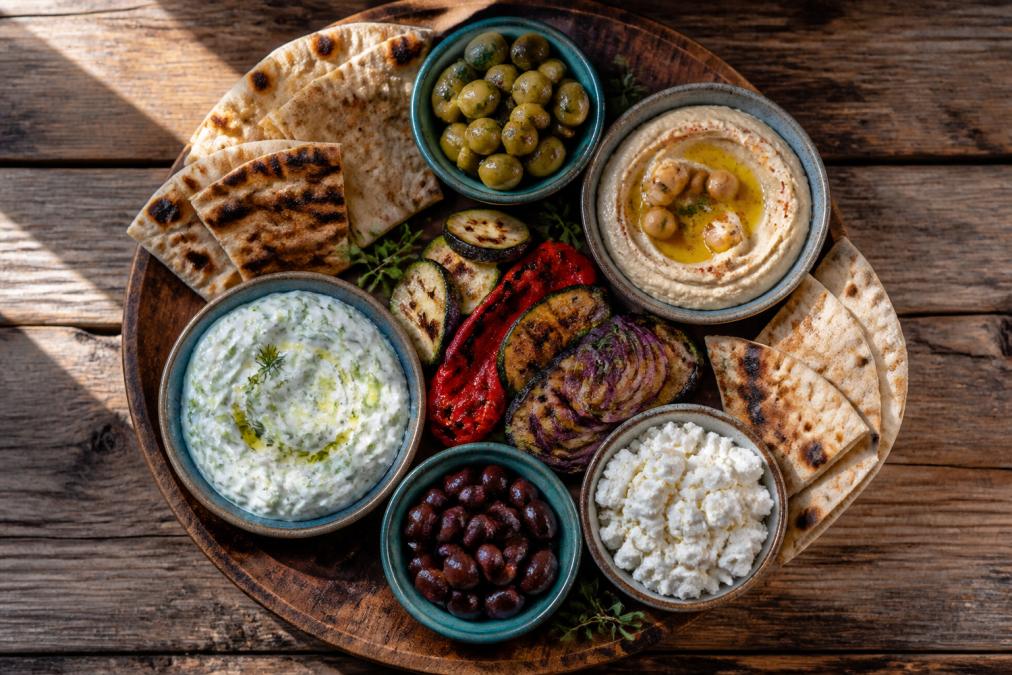
Serving a Greek mezze platter is about abundance and variety, creating a visual feast that encourages grazing and conversation. The goal is to offer a balance of textures, temperatures, and flavors across the categories we have covered.
To build the perfect board, arrange small bowls of dips in the center and surround them with the remaining components. A well-structured platter allows guests to create their own perfect bite, whether that is a piece of pita dipped in tzatziki or a stuffed grape leaf topped with feta.
Authentic Greek Mezedes Recipes and Regional Variations
While the classics are beloved nationwide, Greek cuisine varies significantly by region, offering a deeper level of culinary exploration for the adventurous home cook. Understanding these differences is the key to mastering authentic greek mezedes recipes and selecting which dishes best suit your table.
Island-Style Versus Mainland Meze
The Cycladic islands (Santorini, Mykonos, Paros) emphasize seafood, lighter preparations, and dishes that showcase local produce like cherry tomatoes and white eggplant. Island meze platters typically feature grilled octopus, saganaki, and fresh vegetable sides with minimal sauce. Mainland Greece, particularly in regions like Thessaly and Macedonia, leans toward heartier meat-based meze, more robust use of spices, and dishes influenced by Balkan neighbors, such as spicier keftedes and more generous use of paprika and chili peppers.
Crete, the largest island, has its own distinct tradition centered on dakos (barley rusks), wild greens, and a heavier reliance on olive oil and cheese. Understanding these regional preferences helps you curate an authentic spread that reflects a specific culinary tradition rather than a generic "Greek" platter.
Lemon Potatoes and Regional Specialties
Lemon potatoes, or "patates lemonates," are a quintessential side dish found across Greece, but preparation varies by region. The classic method involves cutting potatoes into 1-inch cubes, tossing them with olive oil, lemon juice, oregano, and garlic, then roasting at 400°F for 35-45 minutes until golden and crispy. In northern Greece, you might find potatoes roasted with more aggressive seasoning, additional garlic, chili flakes, or even a touch of paprika, reflecting Balkan influences. Island versions often include a splash of white wine or chicken broth to create a slightly saucier consistency.
Other regional specialties include horta (boiled greens with lemon and olive oil), which is more common in mainland tavernas, and pastitsada (a Corfiot dish of roasted vegetables and pasta), which reflects the island's Venetian heritage.
Wine and Beverage Pairing
The right beverage elevates a meze spread from a snack to an occasion. Ouzo, an anise-flavored aperitif traditionally served ice-cold or with water (which turns it cloudy), is the classic companion to seafood meze and lighter vegetable dishes. The anise flavor complements briny olives, feta, and grilled fish without overwhelming delicate preparations.
For white wine pairings, Assyrtiko, a crisp, mineral-driven white from Santorini, pairs exceptionally well with fried foods (saganaki, calamari) and fresh vegetable sides. Xinomavro, a lighter red from northern Greece, offers enough structure to complement meat-based meze like keftedes and souvlaki without overpowering the oregano and lemon seasonings. Retsina, a traditional white wine infused with pine resin, is an acquired taste but pairs authentically with rustic, herb-forward dishes.
For non-alcoholic options, Greek coffee or mountain tea (tsai tou vounou) served after the meze course aids digestion and provides a natural conclusion to the meal.
Make-Ahead and Storage Strategies
Most Greek meze dishes are excellent candidates for make-ahead preparation, which makes them ideal for entertaining and reduces stress on the day of serving. Understanding which dishes improve with time and which require last-minute preparation is essential for hosting success.
Dips and spreads like tzatziki, hummus, and tirokafteri actually improve after a day in the refrigerator, allowing the flavors to meld and intensify. These can be stored in airtight containers for up to four days. Tzatziki should be made at least 2 hours before serving to allow the cucumber and garlic to fully incorporate; many cooks prepare it the day before for optimal flavor development.
Pastries like spanakopita and tiropita can be assembled a day in advance and stored unbaked in the refrigerator, covered tightly with plastic wrap. Bake them just before serving (approximately 30-35 minutes at 375°F) to ensure they arrive at the table hot and flaky rather than soggy. Alternatively, fully baked pastries can be frozen for up to three months and reheated in a 300°F oven for 10-15 minutes, making them ideal for advance entertaining.
Vegetable-based meze, grilled vegetables, gemista, and roasted sides, can be prepared up to 24 hours in advance and stored in airtight containers. These are served at room temperature, which actually allows flavors to develop further and reduces last-minute cooking demands. Lemon potatoes hold well for 3-4 days and can be gently reheated or served cold.
Meat-based meze like keftedes can be formed and refrigerated up to 24 hours before frying, or fully cooked and reheated gently in a 300°F oven. Grilled octopus and souvlaki are best prepared no more than 4 hours before serving to maintain tenderness and prevent drying out.
Cheese-based appetizers like saganaki are best served immediately after cooking for optimal texture, though baked feta can be prepared up to 8 hours in advance and gently reheated just before serving. Feta stored in olive oil and herbs will keep for up to one week in the refrigerator, making it an excellent make-ahead component.
Conclusion
Building a memorable spread of greek sides and appetizers is about embracing fresh ingredients, bold flavors, and the joy of sharing food with others. From the cooling tang of tzatziki to the crispy layers of spanakopita, each dish offers a taste of the Mediterranean that is both wholesome and satisfying. Exploring these recipes at home is a rewarding way to bring authentic Greek flavor to your Jersey Shore kitchen.
Frequently Asked Questions
What are traditional Greek sides and appetizers?
Traditional Greek sides and appetizers, known as meze or mezedes, are small dishes served before or alongside main courses. They include dips like tzatziki and hummus, cheese-based items such as saganaki and feta, pastries like spanakopita and tiropita, roasted vegetables, and seafood or meat preparations. These dishes showcase oregano, extra virgin olive oil, and kalamata olives, representing the heart of Mediterranean dining culture.
What defines authentic Greek flavor in traditional dishes?
Authentic Greek flavor comes from a combination of key ingredients: extra virgin olive oil, oregano, lemon juice, feta cheese, and fresh vegetables. The cooking methods matter too, grilling, roasting, and slow-simmering bring out natural flavors without heavy sauces. Authentic preparation honors traditional techniques passed down through generations, using simple, high-quality ingredients rather than complex seasonings. This approach creates the tangy, savory profile that defines Mediterranean cuisine.
How do you build an authentic Greek mezze platter?
Start with a base of dips: tzatziki, hummus, and tirokafteri spread across the platter. Add cheese selections like feta chunks and saganaki. Include roasted or grilled vegetables such as eggplant and zucchini. Arrange cured items like kalamata olives and dakos. Add pastry bites like spanakopita or tiropita for texture. Include a protein element such as grilled octopus or keftedes. Finish with fresh herbs, extra virgin olive oil drizzled over dips, and lemon wedges. The key is balance across flavors, textures, and colors.
Which Greek appetizers pair best with gyros?
Light, tangy appetizers complement gyros well. Tzatziki serves as both a dip and condiment, enhancing the meat's richness. Horiatiki (traditional Greek salad) provides refreshing contrast. Grilled vegetables like zucchini and eggplant add freshness without heaviness. Dakos (toasted bread) with tomato and feta offers a savory balance. Saganaki provides a warm, cheesy element. Avoid heavy pastries like spanakopita if serving them before gyros, as they can feel redundant. Instead, focus on vegetable-forward sides that refresh the palate.
What are some vegetarian-friendly traditional Greek sides?
Greek cuisine offers abundant vegetarian options. Tzatziki, hummus, and tirokafteri are fully vegetarian dips. Roasted or grilled eggplant, zucchini, and tomatoes work as warm sides. Horiatiki salad with feta and kalamata olives is a classic. Spanakopita and tiropita (spinach and cheese pastries) provide heartier vegetarian choices. Stuffed vegetables like gemista (tomatoes and peppers filled with rice and herbs) are traditional. Lemon potatoes round out the spread. Dakos topped with tomato and feta offer a simple, authentic bite.
What is the difference between Greek mezedes and appetizers?
Mezedes (plural of meze) are a dining tradition in Greek culture, small dishes meant for sharing, conversation, and leisurely eating, often with drinks. Appetizers are typically individual courses served before a main dish. Mezedes can be served as a complete meal or as part of a larger spread, emphasizing variety and social eating. Appetizers follow a more structured course progression. In practice, Greek mezedes function as appetizers, but the term encompasses a cultural dining philosophy beyond just the food's position in a meal.
What are the essential ingredients in traditional Greek sides?
The foundation of Greek sides rests on a few core ingredients: extra virgin olive oil, oregano, lemon juice, feta cheese, and fresh vegetables like tomatoes, eggplant, and zucchini. Kalamata olives, garlic, and onions add depth. Filo pastry appears in spanakopita and tiropita. Fresh herbs including dill and parsley brighten dishes. Sea salt and black pepper provide basic seasoning. These simple, high-quality ingredients create authentic flavor without relying on complex sauces or processed additions, staying true to Mediterranean culinary traditions.
How should you store and prepare Greek mezedes ahead of time?
Most dips like tzatziki, hummus, and tirokafteri can be made 2-3 days ahead and stored in airtight containers. Roasted vegetables keep refrigerated for 3-4 days and can be served at room temperature or reheated gently. Pastries like spanakopita and tiropita are best baked fresh but can be assembled ahead and baked when needed. Saganaki fries best just before serving. Grilled items taste best prepared within a few hours. Assemble the platter just before serving to maintain visual appeal and prevent dips from drying out. Keep components separate until plating to preserve texture and flavor.
Crafting these dishes yourself takes time, but enjoying them shouldn't. At Gyro Kingdom, we serve freshly made gyros daily alongside traditional Mediterranean classics, using only the freshest ingredients to bring authentic Greek flavor to Brick, NJ. Whether you are dining in, ordering delivery, or planning catering for a large event, we make it easy to enjoy a memorable meal without the prep work. Try it today and taste the difference of genuine Greek hospitality.
Frequently Asked Questions
Q: What are traditional Greek sides and appetizers?
A: Traditional Greek sides and appetizers, known as meze or mezedes, are small dishes served before or alongside main courses. They include dips like tzatziki and hummus, cheese-based items such as saganaki and feta, pastries like spanakopita and tiropita, roasted vegetables, and seafood or meat preparations. These dishes showcase oregano, extra virgin olive oil, and kalamata olives, representing the heart of Mediterranean dining culture.
Q: What defines authentic Greek flavor in traditional dishes?
A: Authentic Greek flavor comes from a combination of key ingredients: extra virgin olive oil, oregano, lemon juice, feta cheese, and fresh vegetables. The cooking methods matter too—grilling, roasting, and slow-simmering bring out natural flavors without heavy sauces. Authentic preparation honors traditional techniques passed down through generations, using simple, high-quality ingredients rather than complex seasonings. This approach creates the tangy, savory profile that defines Mediterranean cuisine.
Q: How do you build an authentic Greek mezze platter?
A: Start with a base of dips: tzatziki, hummus, and tirokafteri spread across the platter. Add cheese selections like feta chunks and saganaki. Include roasted or grilled vegetables such as eggplant and zucchini. Arrange cured items like kalamata olives and dakos. Add pastry bites like spanakopita or tiropita for texture. Include a protein element such as grilled octopus or keftedes. Finish with fresh herbs, extra virgin olive oil drizzled over dips, and lemon wedges. The key is balance across flavors, textures, and colors.
Q: Which Greek appetizers pair best with gyros?
A: Light, tangy appetizers complement gyros well. Tzatziki serves as both a dip and condiment, enhancing the meat's richness. Horiatiki (traditional Greek salad) provides refreshing contrast. Grilled vegetables like zucchini and eggplant add freshness without heaviness. Dakos (toasted bread) with tomato and feta offers a savory balance. Saganaki provides a warm, cheesy element. Avoid heavy pastries like spanakopita if serving them before gyros, as they can feel redundant. Instead, focus on vegetable-forward sides that refresh the palate.
Q: What are some vegetarian-friendly traditional Greek sides?
A: Greek cuisine offers abundant vegetarian options. Tzatziki, hummus, and tirokafteri are fully vegetarian dips. Roasted or grilled eggplant, zucchini, and tomatoes work as warm sides. Horiatiki salad with feta and kalamata olives is a classic. Spanakopita and tiropita (spinach and cheese pastries) provide heartier vegetarian choices. Stuffed vegetables like gemista (tomatoes and peppers filled with rice and herbs) are traditional. Lemon potatoes round out the spread. Dakos topped with tomato and feta offer a simple, authentic bite.
Q: What is the difference between Greek mezedes and appetizers?
A: Mezedes (plural of meze) are a dining tradition in Greek culture—small dishes meant for sharing, conversation, and leisurely eating, often with drinks. Appetizers are typically individual courses served before a main dish. Mezedes can be served as a complete meal or as part of a larger spread, emphasizing variety and social eating. Appetizers follow a more structured course progression. In practice, Greek mezedes function as appetizers, but the term encompasses a cultural dining philosophy beyond just the food's position in a meal.
Q: What are the essential ingredients in traditional Greek sides?
A: The foundation of Greek sides rests on a few core ingredients: extra virgin olive oil, oregano, lemon juice, feta cheese, and fresh vegetables like tomatoes, eggplant, and zucchini. Kalamata olives, garlic, and onions add depth. Filo pastry appears in spanakopita and tiropita. Fresh herbs including dill and parsley brighten dishes. Sea salt and black pepper provide basic seasoning. These simple, high-quality ingredients create authentic flavor without relying on complex sauces or processed additions, staying true to Mediterranean culinary traditions.
Q: How should you store and prepare Greek mezedes ahead of time?
A: Most dips like tzatziki, hummus, and tirokafteri can be made 2-3 days ahead and stored in airtight containers. Roasted vegetables keep refrigerated for 3-4 days and can be served at room temperature or reheated gently. Pastries like spanakopita and tiropita are best baked fresh but can be assembled ahead and baked when needed. Saganaki fries best just before serving. Grilled items taste best prepared within a few hours. Assemble the platter just before serving to maintain visual appeal and prevent dips from drying out. Keep components separate until plating to preserve texture and flavor.