 blog
Is Lamb Gyro Meat Healthy for Weight Loss?
Table of Contents
- Lamb Gyro Meat Calories and Nutrition Facts
- Lamb Gyro Meat Calories Compared to Chicken Gyro
- Is Lamb Gyro Meat Healthy for Weight Loss?
- How to Order a Healthy Gyro
- Lamb Gyro vs. Beef and Homemade Alternatives
- Making Lamb Gyro Work in a Weight-Loss Diet
- Frequently Asked Questions
Last Updated: October 4, 2026
Lamb Gyro Meat Calories and Nutrition Facts
Lamb gyro meat is a traditional Mediterranean protein cooked on a vertical rotisserie. Understanding its nutritional breakdown helps you determine whether lamb gyro meat healthy fits your dietary goals.
Typical Serving Size and Calorie Breakdown
A standard serving of lamb gyro meat is about 3-4 ounces, which is roughly the amount in a typical restaurant gyro sandwich. This portion contains approximately 200-250 calories, depending on the exact recipe and fat content used by the restaurant or butcher.
Calorie counts vary by establishment and fat content. Homemade versions typically have fewer calories because you control the fat ratio.
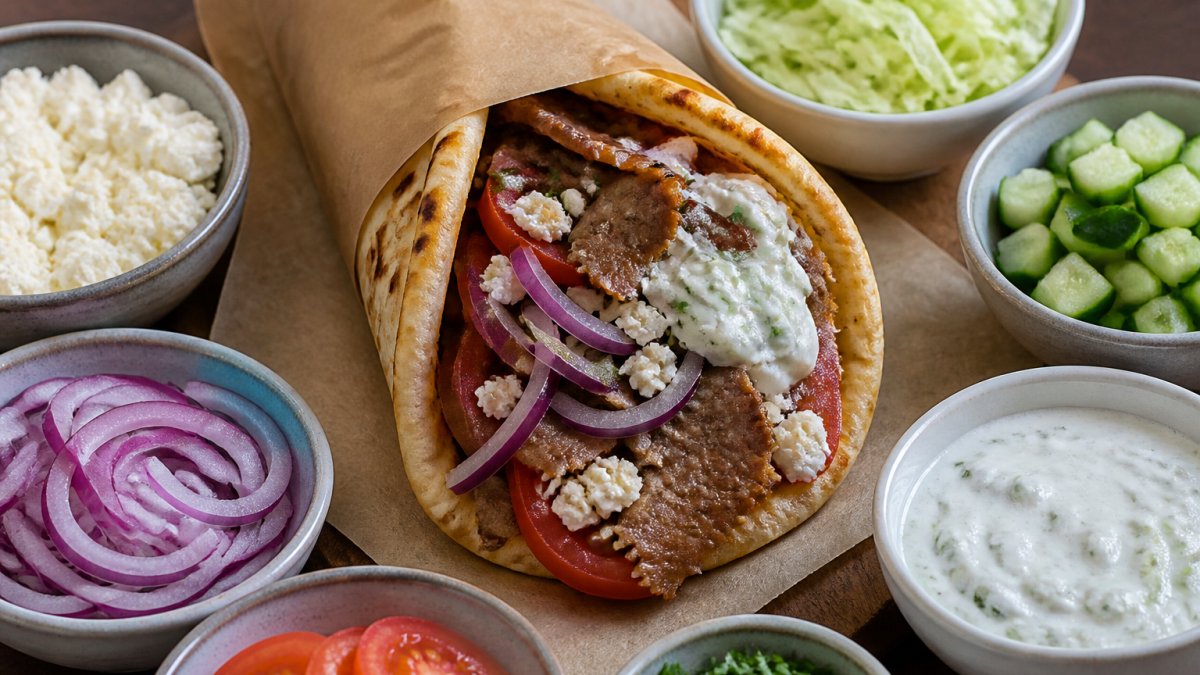
A complete gyro sandwich with pita (150-200 cal), tzatziki (50-100 cal), and vegetables (under 20 cal) totals roughly 400-550 calories.
Protein, Fat, and Sodium Content
A 3-4 ounce serving contains roughly 20-25 grams of protein, making it a substantial protein source.
The fat content is where lamb gyro meat differs from leaner proteins. A typical serving contains 10-15 grams of total fat, with 4-6 grams coming from saturated fat. This is moderate compared to other meat options but higher than chicken breast.
A single serving contains approximately 400-600 mg of sodium. With pita, sauce, and toppings, a complete meal can exceed 1,000 mg sodium.
Lamb Gyro Meat Calories Compared to Chicken Gyro
Chicken gyro contains roughly 150-180 calories per 3-4 ounce serving, about 50-70 calories lower than lamb, with similar protein (18-22g) but less total fat (5-8g) and lower saturated fat (2-3g).
Sodium is comparable (400-600 mg per serving). Chicken is leaner; lamb provides more flavor and satiety from higher fat content.
For weight loss, chicken is lower-calorie by only 50-70 calories per serving. If lamb's flavor fits your daily budget, it still works for weight loss.
Is Lamb Gyro Meat Healthy for Weight Loss?
Whether is lamb gyro meat healthy for weight loss depends on portion size, pairings, and total daily intake.
Protein and Satiety Benefits
Lamb gyro's 20-25g protein increases satiety, helping you eat less overall. The fat content also slows digestion and prolongs fullness. For weight loss, satiety matters as much as calorie count, a meal that keeps you full for four hours is more useful than a lower-calorie meal that leaves you hungry an hour later.
Sodium and Saturated Fat Considerations
The main health concerns with lamb gyro meat for weight loss are sodium and saturated fat.
High sodium intake can cause water retention, masking fat loss on the scale. A single gyro meal might cause 1-2 pounds of temporary water retention.
A single serving contributes 4-6 grams of saturated fat, about 20-30% of the recommended daily limit.
Lamb gyro is acceptable for weight loss if you're mindful of portion size and sodium intake.
How to Order a Healthy Gyro
Making smart choices when ordering helps you enjoy gyro while supporting weight loss.
Portion Control and Ingredient Swaps
Start by requesting a smaller portion of meat. Many restaurants default to generous portions. Ask for 2-3 ounces instead of the standard 4 ounces. Most restaurants will accommodate this request.
Skip the extra sauce or ask for sauce on the side. This gives you control over how much tzatziki or other sauces you use. You can enjoy the flavor without doubling the calorie count.
Request double vegetables instead. Ask for extra tomatoes, lettuce, onions, and cucumbers. These add volume and nutrition without significant calories.
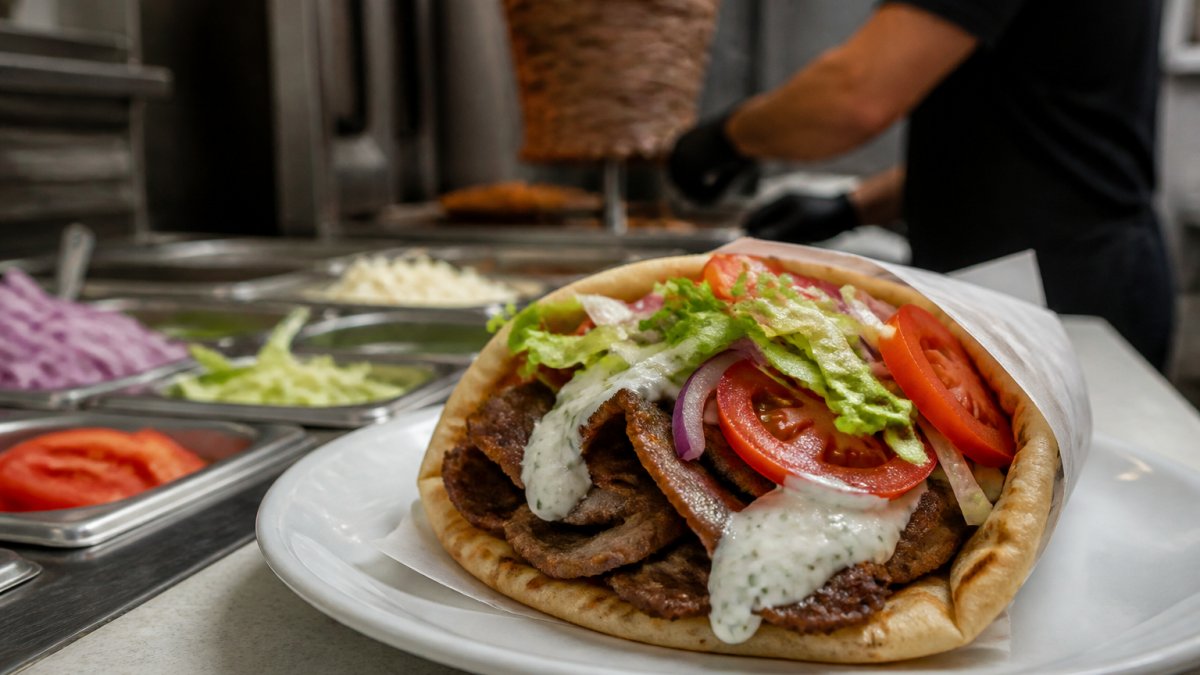
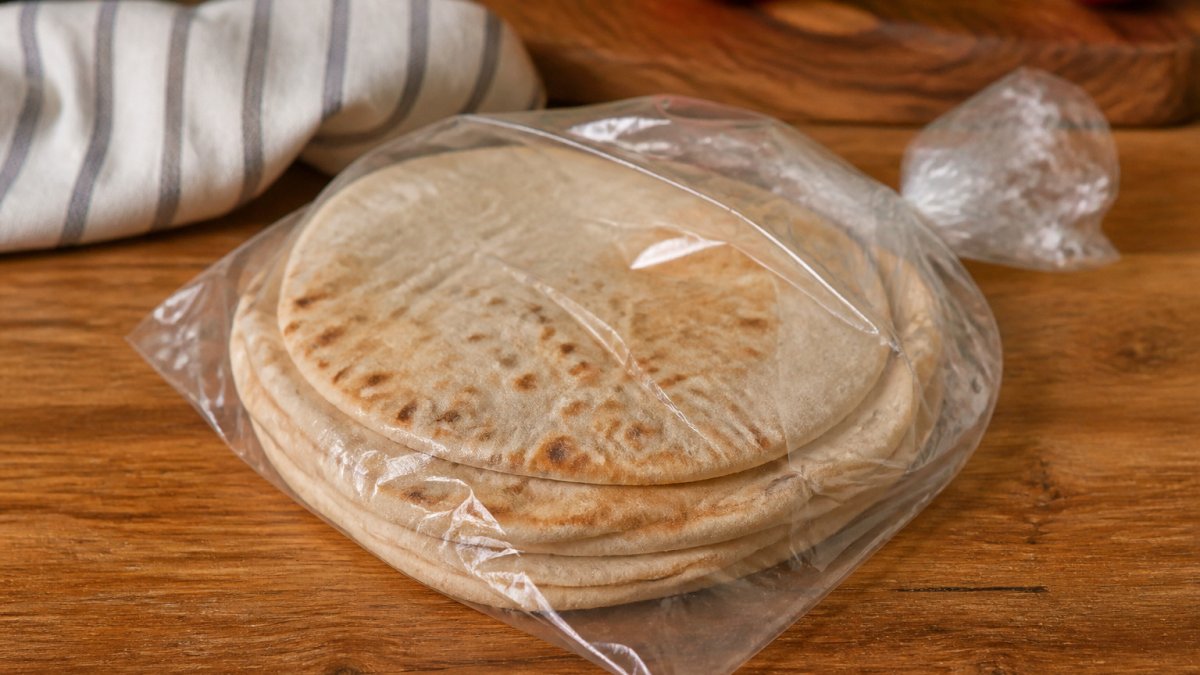
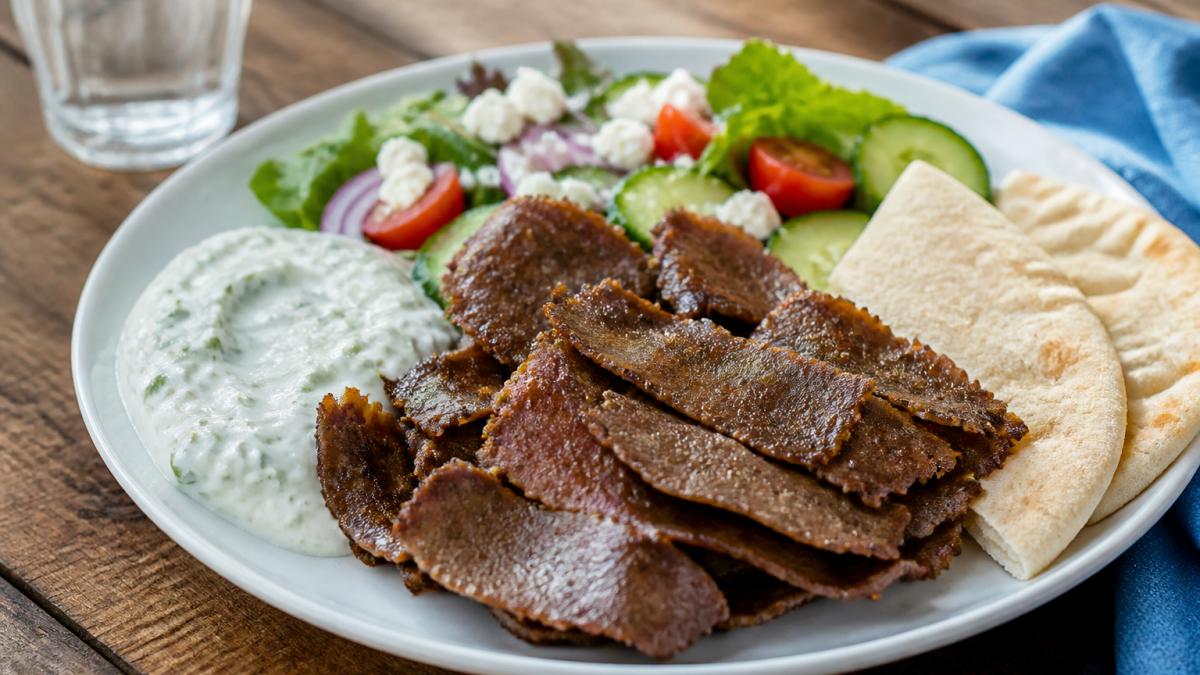
Consider asking for your gyro without the pita bread. This cuts 150-200 calories immediately. You can eat the meat and vegetables with a fork, or ask for lettuce wraps instead. Some restaurants will provide this option.
Request grilled vegetables if available. Grilled tomatoes and peppers add flavor without the calories of fried sides.
Whole-Meal Nutrition When You Add Pita, Sauce, and Toppings
The complete meal matters more than any single component. Here's how typical combinations add up:
- Lamb gyro meat (3 oz): 200 calories, 20g protein
- Pita bread: 165 calories, 5g protein
- Tzatziki sauce (2 tablespoons): 50 calories, 1g protein
- Vegetables (tomatoes, lettuce, onions): 15 calories, 0g protein
- Total: 430 calories, 26g protein
Compare this to a chicken version:
- Chicken gyro meat (3 oz): 150 calories, 20g protein
- Pita bread: 165 calories, 5g protein
- Tzatziki sauce (2 tablespoons): 50 calories, 1g protein
- Vegetables: 15 calories, 0g protein
- Total: 380 calories, 25g protein
The 50-calorie difference between lamb and chicken is modest. For weight loss, the real impact comes from what you do with the full meal. Eating it slowly, drinking water with the meal, and pairing it with a side salad all enhance satiety and support your goals.
| Component | Calories | Protein (g) | Sodium (mg) |
|---|---|---|---|
| Lamb gyro meat (3 oz) | 200 | 20 | 450 |
| Chicken gyro meat (3 oz) | 150 | 20 | 420 |
| Pita bread | 165 | 5 | 310 |
| Tzatziki sauce (2 tbsp) | 50 | 1 | 180 |
| Fresh vegetables | 15 | 0 | 20 |
| Lamb gyro meal total | 430 | 26 | 960 |
| Chicken gyro meal total | 380 | 25 | 930 |
Lamb Gyro vs. Beef and Homemade Alternatives
Comparing lamb to beef and homemade options provides concrete context for choosing the best gyro for your weight-loss goals. Each option has distinct trade-offs in calories, flavor, and preparation effort.
Lamb vs. Beef Gyro
Beef gyro meat typically contains 170-200 calories per 3-ounce serving, placing it between lamb (200-250 calories) and chicken (150-180 calories). Beef delivers similar protein to lamb (20-24 grams) but with slightly less total fat (8-12 grams versus lamb's 10-15 grams) and lower saturated fat (3-4 grams versus lamb's 4-6 grams).
Sodium content is comparable across all three: beef, lamb, and chicken gyro all range from 400-600 mg per serving. The real difference lies in the fat profile and satiety. Beef offers a middle ground, leaner than lamb but with more flavor and satisfaction than chicken. For weight loss, beef gyro is a practical choice if you want something richer than chicken but lower in calories than lamb.
The calorie difference between lamb and beef is modest (about 30-50 calories), so choose based on preference and how the meat affects your hunger. If lamb leaves you satisfied for four hours but beef leaves you hungry after two, lamb is the better choice for your weight loss, even if it has slightly more calories.
Homemade Lamb Gyro: The Leanest Option
Homemade lamb gyro meat allows you to control every ingredient, making it the lowest-calorie and lowest-sodium option if you're willing to invest time.
A homemade version using lean lamb (such as lamb leg or loin) and minimal added fat contains approximately 150-180 calories per 3-ounce serving, about 50-70 calories less than restaurant lamb gyro. You can also reduce sodium by using less salt and avoiding commercial spice blends heavy in sodium. A homemade version might contain 200-300 mg of sodium per serving compared to 400-600 mg at a restaurant.
The trade-off is preparation. Making gyro meat requires a meat grinder or food processor to blend lamb with spices, then either a vertical rotisserie (expensive and space-consuming) or a makeshift method using a cast-iron skillet or oven broiler. Most home cooks use the skillet method: form the meat mixture into a loaf, sear it, then slice thin strips. This takes 30-45 minutes and yields enough for 4-6 servings.
For weight loss, homemade lamb gyro is the best option if you have the time and skill. You control the fat ratio, sodium level, and portion size precisely. However, restaurant versions are more convenient, and the calorie difference (50-70 calories) is small enough that it won't make or break your weight loss if you're tracking portions and overall intake.
Quick Comparison Table
| Option | Calories (3 oz) | Protein (g) | Total Fat (g) | Saturated Fat (g) | Sodium (mg) | Best For |
|---|---|---|---|---|---|---|
| Lamb gyro (restaurant) | 200-250 | 20-25 | 10-15 | 4-6 | 400-600 | Flavor and satiety |
| Beef gyro (restaurant) | 170-200 | 20-24 | 8-12 | 3-4 | 400-600 | Balanced option |
| Chicken gyro (restaurant) | 150-180 | 18-22 | 5-8 | 2-3 | 400-600 | Lowest calories |
| Lamb gyro (homemade) | 150-180 | 20-25 | 6-10 | 2-4 | 200-300 | Maximum control |
Choosing Your Best Option
For weight loss, the ranking is: homemade lamb gyro (lowest calories and sodium, maximum control) → chicken gyro (lowest calories, convenient) → beef gyro (balanced) → restaurant lamb gyro (highest calories, but most flavorful).
However, the "best" option depends on your priorities. If you value convenience and eating out, chicken or beef gyro from a restaurant is practical and still supports weight loss. If you have time to cook and want to minimize calories and sodium, homemade lamb gyro is superior. If you strongly prefer lamb's flavor and can fit the extra 50-70 calories into your daily budget, restaurant lamb gyro works fine, the key is portion control and frequency.
Making Lamb Gyro Work in a Weight-Loss Diet
Lamb gyro meat can fit into a weight-loss plan if you approach it strategically.
First, account for it in your daily calorie budget. A complete lamb gyro meal at 430 calories is reasonable for most weight-loss plans. If your daily target is 1,500-1,800 calories, one gyro meal leaves plenty of room for other meals and snacks.
Second, balance the meal with other nutrients. Pair your gyro with a side salad or vegetable soup to add volume and fiber. This increases satiety without adding many calories. The extra vegetables also help offset the sodium from the gyro itself.
Third, choose frequency wisely. Eating lamb gyro once or twice weekly is compatible with weight loss. Eating it daily would make weight loss difficult due to accumulated sodium and saturated fat intake.
Fourth, stay consistent with portions. Order the same size each time so you can track calories accurately. Portion creep, gradually increasing serving sizes, is a common reason weight-loss efforts stall.
Finally, listen to your body. If lamb gyro leaves you satisfied for hours, it's working for your weight loss. If you feel hungry soon after, choose chicken gyro or add a protein-rich side dish to extend satiety.
At Gyro Kingdom, we understand that eating well doesn't mean giving up the foods you love. Our freshly made lamb gyro meat uses high-quality ingredients and traditional Mediterranean preparation methods. Whether you're focused on weight loss or simply enjoying authentic Greek cuisine, we're here to help you make choices that align with your goals. Visit us today to experience the difference fresh, quality ingredients make.
Frequently Asked Questions
How many calories are in a lamb gyro?
A typical lamb gyro meat serving (3-4 ounces) contains approximately 200-250 calories, though the total meal varies significantly based on portion size, pita bread, sauce, and toppings. A complete gyro sandwich with pita, tzatziki, and vegetables can range from 400-600 calories depending on preparation and ingredients. Nutrition varies by restaurant recipe and meat blend composition.
Is lamb gyro meat high in protein?
Yes, lamb gyro meat is high in protein. A 3-4 ounce serving typically provides 20-25 grams of protein, making it an excellent protein source for weight loss. The high protein content promotes satiety, helping you feel full longer and reducing overall calorie intake throughout the day.
Can I eat lamb gyro meat and still lose weight?
Lamb gyro meat can fit into a weight-loss diet when portion-controlled and paired with lower-calorie options. The high protein content supports satiety, but watch sodium and saturated fat levels. Order lamb gyro with extra vegetables, light sauce, and skip the pita to reduce overall meal calories while maintaining nutritional balance.
How does lamb gyro compare to chicken gyro for weight loss?
Chicken gyro is lower in calories (approximately 150-180 calories per 3-4 ounce serving) and saturated fat compared to lamb gyro (200-250 calories). Both are high in protein. If weight loss is the primary goal, chicken gyro offers a leaner option, but lamb gyro remains viable when portions are controlled and paired with vegetable-heavy toppings and minimal sauce.