 listicle
Why Choose Family Owned Greek Restaurants in 2026
Table of Contents
- Why Family Owned Greek Restaurants Beat the Chains
- The Benefits of Supporting Local Family Restaurants
- Traditional Greek Cooking Techniques You Can Taste
- Philoxenia: The Greek Secret to Warm Service
- Finding Authentic Greek Food Near Me: What to Look For
- How Family Ownership Creates a Welcoming Atmosphere
- Conclusion: Taste the Difference Family Ownership Makes
- Frequently Asked Questions
Last Updated: September 16, 2026
Why Family Owned Greek Restaurants Beat the Chains
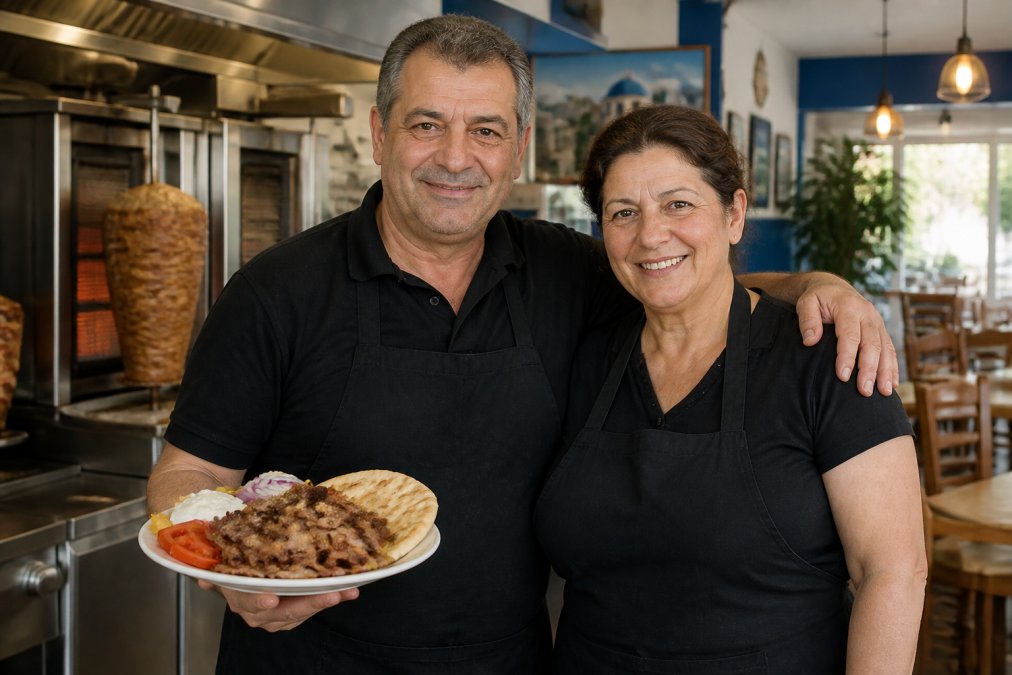
Walk into a family owned Greek restaurant and something feels different before the first bite. The owner knows your name, the recipes trace back generations, and the portions reflect genuine hospitality rather than a corporate formula. In this guide from Gyro Kingdom, we break down why these independent kitchens consistently outperform chains on flavor, service, and value.
Family owned Greek restaurants are dining establishments run by the same family that owns them, where recipes, management, and daily operations pass down through generations rather than through a corporate franchise system. That structure changes everything about how the food tastes and how you're treated.
The difference shows up in the details. A chain reheats a pre-portioned gyro meat cone shipped from a central facility. A family kitchen layers and seasons its own rotisserie meat each morning. One is fast and predictable. The other is fresh and memorable.
Below, we'll show you exactly why that distinction matters, how to spot the real thing, and what to look for when you're searching for authentic Greek food near me.
The Benefits of Supporting Local Family Restaurants
Money spent at a family-run restaurant stays closer to home, but the mechanism is more specific than most people realize. Local owners hire neighbors, source from regional suppliers, and reinvest in the same community that keeps them in business. National chains send profits to headquarters, often in another state.
The U.S. Small Business Administration notes that small businesses account for a substantial share of employment and economic activity nationwide. When you choose a family owned Greek spot over a franchise, you're casting a vote for that local economy.
Here's what that vote actually buys, beyond the meal:
- Local hiring and wages. A family-run Greek restaurant typically employs a mix of family members and neighborhood staff. Those wages get spent at nearby grocery stores, schools, and service businesses, a multiplier effect that a corporate chain's centralized payroll does not produce.
- Local sourcing. Many family-owned Greek kitchens buy produce, dairy, and meat from regional farms and purveyors rather than a single national distributor. That keeps money circulating through the regional supply chain and often means fresher ingredients on your plate.
- Community sponsorships. Family restaurants are disproportionately likely to sponsor youth sports teams, church festivals, and school fundraisers. A chain's local marketing budget is set at headquarters; a family owner's sponsorship decision is made at the counter.
- Stability and resilience. Family-owned businesses tend to stay put. They don't close because a quarterly earnings target wasn't met. That stability keeps a neighborhood's commercial fabric intact.
There's a loyalty loop at work too. Regulars who feel recognized keep coming back, and owners who depend on those regulars work harder to keep standards high. Customer loyalty built on a first-name basis is something a chain simply cannot replicate.
Traditional Greek Cooking Techniques You Can Taste
Authentic Greek food is built on slow, hands-on methods that corporate kitchens skip. Family establishments still marinate, stack, and roast their meats by hand, and you can taste the difference in the first bite.
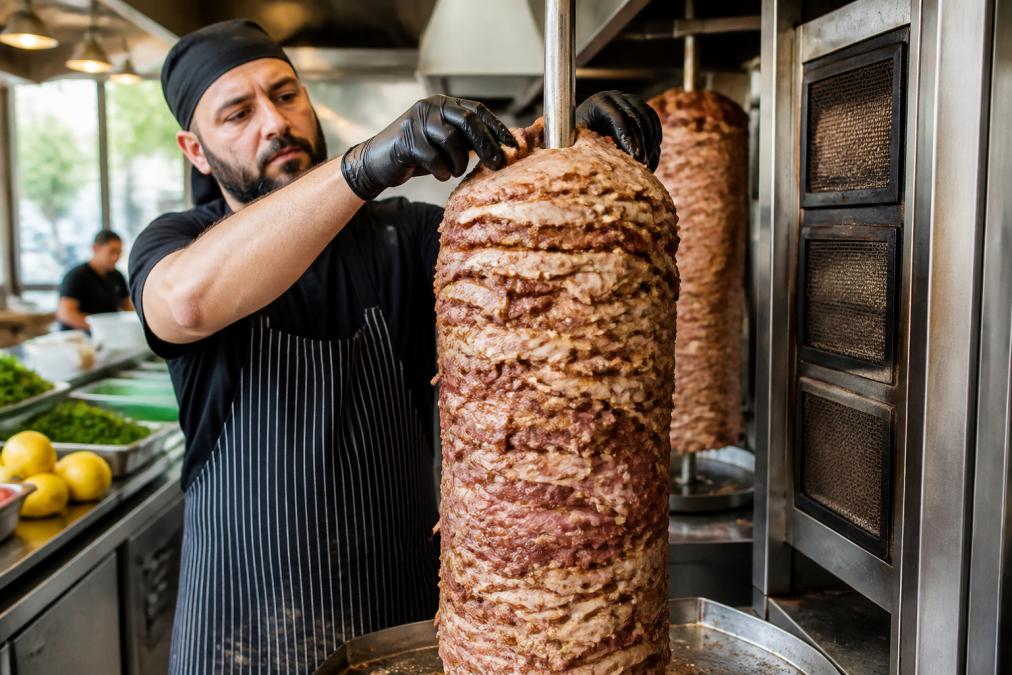
Here are the techniques that separate real Greek cooking from assembly-line production:
- Vertical rotisserie roasting for gyros, where meat is stacked and slow-roasted, then shaved to order.
- Charcoal or open-flame grilling for souvlaki and kebabs, which adds a smoky char you can't fake in an oven.
- Handmade tzatziki and dips made fresh in small batches, not scooped from a tub.
- Ladera-style braising, the slow-cooked vegetable and olive oil dishes that define everyday Greek home cooking.
- Fresh phyllo work for spanakopita and baklava, layered by hand rather than machine-pressed.
The sensory markers are unmistakable: char on the meat, the sharp tang of real yogurt, oregano and lemon cutting through the richness. If a gyro tastes flat and uniform, it probably came off a conveyor. If it tastes layered and bright, someone cooked it with care.
Philoxenia: The Greek Secret to Warm Service
Philoxenia is the ancient Greek concept of hospitality, literally meaning "friend to the stranger," and it treats welcoming a guest as a moral duty rather than a transaction. It's the reason a Greek host insists you eat more, not less.
This cultural value explains why family-run Greek spots feel warmer than chains. Service isn't scripted from a manual. The owner's family is often on the floor, and they treat your table the way they'd treat a guest in their home.
Finding Authentic Greek Food Near Me: What to Look For
Spotting a genuinely authentic Greek restaurant takes about thirty seconds once you know the signals. The clues are in the menu, the smells, and the people behind the counter.
Use this quick checklist when you search for authentic Greek food near me:
- The menu is focused, not sprawling across five cuisines
- Gyro meat is roasted on a vertical spit and shaved to order
- You can smell grilling and oregano when you walk in
- The owner or family members are visibly present
- Dips and sauces taste house-made, not packaged
- Portions feel generous relative to the price
- Regulars are greeted by name
If most of those boxes are checked, you've found the real thing. If none are, keep looking.
How Family Ownership Creates a Welcoming Atmosphere
A family-run dining room feels different because the people serving you have skin in the game. When the owner's name is on the door, every table matters in a way a shift manager's quarterly targets never will.
That accountability produces a familial atmosphere that keeps generations of customers coming back. Kids grow up eating at the same booth. Grandparents celebrate milestones there. The restaurant becomes a neighborhood staple and a social gathering point, not just a place to eat.
But the atmosphere isn't just about warmth, it's also about how the business is run day to day. Family ownership changes sourcing, staffing, and decision-making in ways that show up on the plate:
- Direct accountability. The owner is often the same person who greets you, takes your order, and checks on your table. Problems get solved on the spot, not escalated to a regional manager.
- Sourcing decisions made locally. A family owner can choose a regional farm's tomatoes or a specific olive oil producer without waiting for a corporate procurement cycle. That flexibility often means fresher, more seasonal ingredients.
- Sustainability as a default, not a marketing campaign. Many family-owned Greek kitchens reduce waste by cooking in smaller batches, using whole ingredients, and repurposing trim, practices that are cost-saving for them and environmentally better for everyone. It's not a slogan; it's how the kitchen has always run.
- Succession with continuity. When a second or third generation takes over, they inherit both the recipes and the reputation. The businesses that survive decades are the ones that protect consistent standards while adapting the menu to what local diners want. Menu diversity grows without abandoning the traditional recipes that built the following.
The welcoming atmosphere, then, is a byproduct of a business model that keeps decisions local, keeps standards personal, and keeps the owner's name on the line every single day.
Conclusion: Taste the Difference Family Ownership Makes
The gap between a family owned Greek kitchen and a chain comes down to care you can taste. Freshly roasted meat, house-made dips, and genuine philoxenia aren't cost centers to trim. They're the whole point.
At Gyro Kingdom, we bring those values to Brick and the Jersey Shore every day, with gyros freshly made daily in chicken, lamb, beef, or pork, traditional Mediterranean flavors, and generous portions served by a team that treats you like a neighbor. We're proud to be ranked among the Top 3 Greek Restaurants in Ocean County by BusinessRate in 2026 and recommended by Restaurant Guru in 2025.
If you've been settling for reheated mediocrity, it's time to taste what real family ownership delivers. Get started with Gyro Kingdom and experience authentic Greek food without ever leaving the Shore.
Frequently Asked Questions
Why do so many Greeks own restaurants?
Greek immigrants brought a strong work ethic and a cultural tradition of hospitality when they arrived in the United States. Many started in diners and small eateries because those businesses offered low barriers to entry and allowed families to work together. That entrepreneurial spirit passed through generations, and today family owned greek restaurants remain a staple of American dining, especially in areas with tight-knit Greek communities.
What makes family owned greek restaurants different from large chains?
Family owned greek restaurants typically use traditional greek cooking techniques like slow-roasting and charcoal grilling, while chains rely on standardized, pre-portioned ingredients. At a family-run spot, the person cooking your meal often owns the business, so there is a direct line of accountability for food quality and customer loyalty.
How can you tell if a Greek restaurant is truly authentic?
Look for freshly made gyros carved to order, not pre-sliced and reheated. The atmosphere matters too: authentic family owned greek restaurants usually have a warm, familial atmosphere, staff who know regulars by name, and a visible connection to the local community through events or catering. If the place feels like a neighborhood staple, that is a strong sign.
What are the benefits of eating at locally owned Mediterranean restaurants?
Locally owned Mediterranean restaurants keep more money in the local economy, support neighborhood jobs, and often source ingredients from nearby suppliers. You also get fresher food because smaller kitchens tend to cook in smaller batches throughout the day. From a health standpoint, Mediterranean cuisine emphasizes olive oil, vegetables, legumes, and lean proteins, which aligns with dietary patterns linked to heart health and longevity.