 how-to
Sourcing Authentic Greek Olives: A Buyer's Guide
Table of Contents
- What Makes Greek Olives Authentic
- Greek Table Olive Varieties and Their Characteristics
- Understanding Authentic Kalamata Olives
- Greek Olive Labeling and Origin Verification
- Evaluating and Selecting Greek Olive Suppliers
- Quality Assessment and Sourcing for Restaurants
- Frequently Asked Questions
Last Updated: October 12, 2026
What Makes Greek Olives Authentic
Authentic Greek olives start with origin. They come from specific regions in Greece with centuries of olive-growing tradition. But origin alone doesn't guarantee quality. What separates truly authentic Greek olives from imitations is a combination of variety, harvest timing, curing method, and transparent labeling that proves where they came from.
The difference matters. A real Kalamata olive tastes different because of how it's grown, when it's picked, and how it's cured. An olive labeled "Greek-style" might come from anywhere.
The key markers of authenticity are straightforward once you know what to look for. Protected Designation of Origin (PDO) labeling is the strongest signal. The curing method tells you about flavor and texture. The supplier's willingness to share details about their producers reveals confidence in their product.
Greek Table Olive Varieties and Their Characteristics
Greece produces dozens of olive varieties, but a handful dominate the global market. Each has distinct characteristics that affect flavor, texture, and best uses. Understanding these varieties helps you source olives that match your needs.
The most recognized varieties come from specific regions. Some are prized for their size and firm texture. Others are valued for their complex flavor when cured a certain way. Knowing the variety tells you what to expect in the cup.
Kalamata and Halkidiki: The Most Recognized Varieties
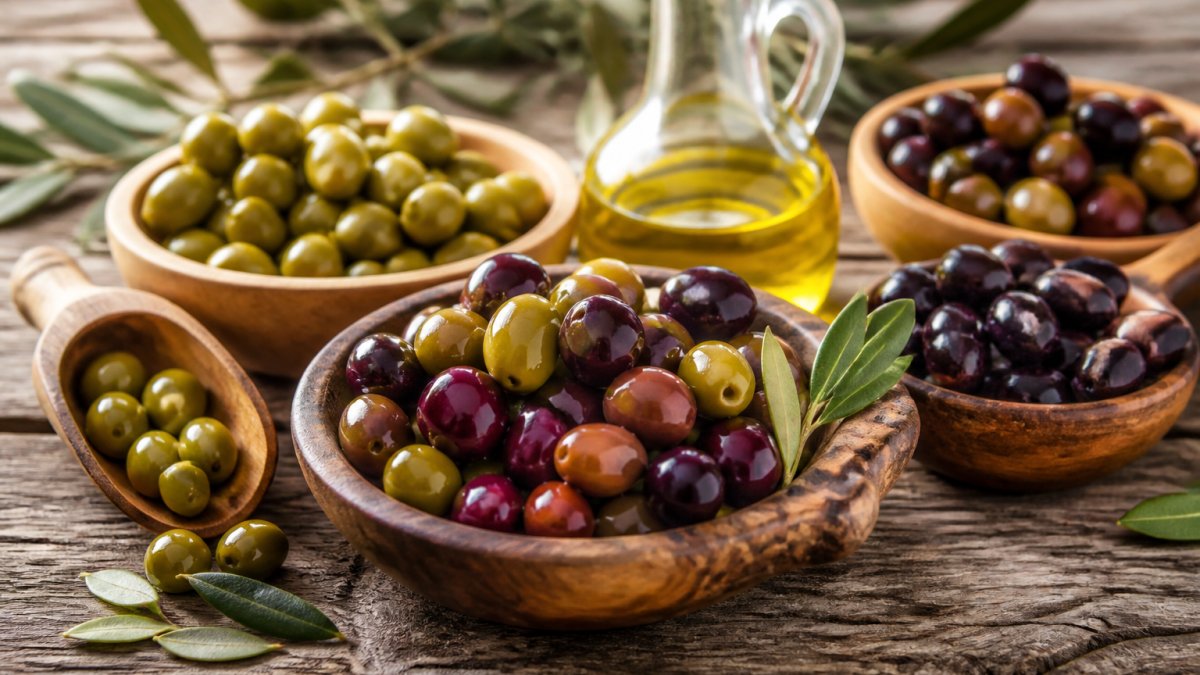
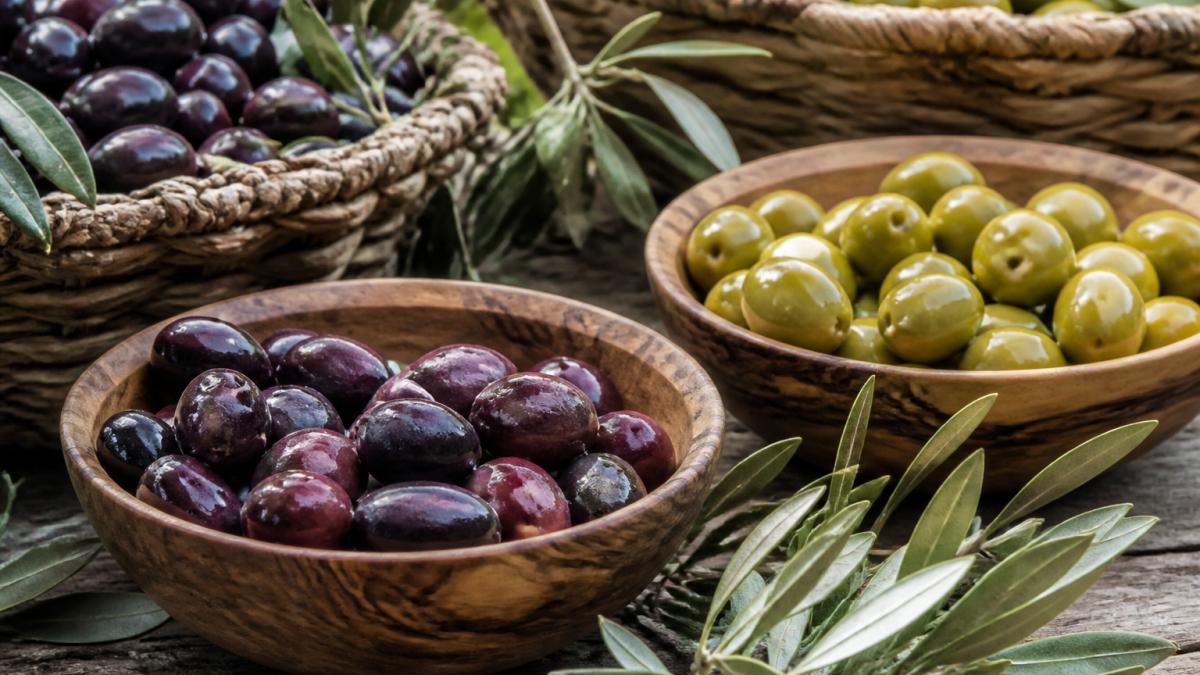
Kalamata olives are the most famous Greek variety worldwide. They're large, dark purple to black, and have a meaty texture. Kalamata olives come from the Peloponnese region and are traditionally cured in wine vinegar, which gives them their distinctive tangy flavor.
Halkidiki olives are green, larger than most varieties, and have a mild, buttery taste. They come from the Chalcidice peninsula in northern Greece. Halkidiki olives are often stuffed with cheese, peppers, or almonds because their size and firm flesh hold fillings well.
Both varieties command premium prices because they're recognizable and consistent.
Black Versus Green Olives: Harvest Timing and Flavor
The color of an olive tells you when it was harvested. This is critical information because harvest timing determines flavor intensity and texture.
Green olives are picked early, before they fully ripen. They're firm, crisp, and have a grassy or peppery flavor. Green olives are harvested in fall, typically September through November. Early harvest means more tannins and sharper taste.
Black olives are picked fully ripe, usually in winter. They're softer, milder, and have deeper, more complex flavors. Ripe olives have less acid and more natural sweetness. The longer maturation on the tree develops flavor compounds that green olives don't have.
This distinction matters. If you want bright, crisp olives for salads or appetizers, green varieties work well. If you need rich, mild olives for cooking or serving with Mediterranean spreads, black olives work better.
Understanding Authentic Kalamata Olives
Kalamata olives represent the gold standard for Greek table olives. They're expensive, recognizable, and often imitated. Understanding what makes a Kalamata authentic helps you avoid counterfeits and source the real thing.
True Kalamata olives come only from the Kalamata region in the southern Peloponnese. They're a specific variety, not just any dark olive from Greece. The name itself is protected under European law, which means olives labeled "Kalamata" must meet strict standards for origin and production.
Traditional Curing Methods and Their Impact
The curing process transforms raw olives into the product you buy. Different curing methods produce different flavors and textures. Traditional Greek methods have been refined over centuries.
Wine vinegar curing is the classic Kalamata method. Olives are brined in a mixture of water, salt, and wine vinegar. This creates the tangy, slightly acidic flavor Kalamata olives are known for. The process takes several weeks. The vinegar acts as a preservative and develops the characteristic taste.
Lye curing is faster but less traditional. Olives are treated with sodium hydroxide to remove bitterness quickly, then brined. This method is common for mass-produced olives but doesn't develop the same depth of flavor as slower fermentation.
Dry curing involves salt without brine. Olives are packed in salt and left to cure for weeks. This creates wrinkled, intensely flavored olives. Dry-cured olives are less common but prized by chefs for their concentrated taste.
Greek Olive Labeling and Origin Verification
Labels tell the story of where an olive came from and how it was made. Learning to read labels is your first defense against counterfeit or mislabeled products.
Look for these label elements:
- Country of origin: Should state "Product of Greece" or "Produce of Greece." Anything vague like "Mediterranean" or "European" is a red flag.
- Region name: Authentic varieties include the specific region (Kalamata, Halkidiki, Corinth). This adds credibility.
- Producer or packer name: Reputable suppliers list their name and contact information.
- Harvest year: Quality producers include the year olives were harvested. Older olives lose flavor and texture.
- Curing method: Labels should describe how olives were processed (brined, cured, fermented).
Reading Labels for Protected Designation of Origin
Protected Designation of Origin (PDO) is the highest certification for Greek olives. It's a European legal standard that guarantees olives came from a specific region and were produced using traditional methods.
PDO olives must meet strict criteria. The olives must be grown in the designated region. The curing and processing must follow traditional recipes. Independent inspectors verify compliance. When you see a PDO label, you're buying a certified authentic product.
Common PDO designations for olives include:
- Kalamata PDO: Dark olives from the Kalamata region, cured in wine vinegar
- Halkidiki PDO: Large green olives from the Chalcidice region
- Koroneiki PDO: Small black olives from Corinth, often used for oil
PDO certification costs producers money and requires documentation, so PDO olives are more expensive. But that cost reflects real quality assurance.
Labels without PDO certification aren't necessarily fake. Many quality producers follow traditional methods but don't pursue formal certification. However, PDO is the easiest way to verify authenticity without deeper investigation.
Evaluating and Selecting Greek Olive Suppliers
Start by asking direct questions. Where do the olives come from? Which producers do they work with? Can they provide documentation of origin? How long have they been sourcing from that region? Suppliers confident in their product answer these questions readily.
A Practical Supplier-Vetting Checklist
Use this checklist when evaluating potential suppliers:
- Supplier can name the specific region where olives are grown (not just "Greece")
- Supplier provides documentation of harvest year and curing method
- Supplier offers samples before committing to bulk orders
- Supplier has been in business at least 5 years sourcing Greek olives
- Supplier can explain the difference between PDO and non-PDO products
- Supplier provides written terms for delivery, pricing, and minimum orders
- Supplier has references from other restaurants or food businesses
- Supplier is transparent about pricing structure and any price fluctuations
- Supplier can accommodate special requests (specific harvest year, curing style, packaging)
- Supplier has a clear process for handling damaged or unsatisfactory shipments
A supplier who checks most of these boxes is likely reliable. Red flags include vague answers about origin, unwillingness to provide samples, or prices that seem too good to be true.
Food Safety, Compliance, and Sustainability Verification
Food safety is non-negotiable. Olives are imported products, which means they cross borders and regulations apply.
Ask your supplier about these compliance areas:
- Import documentation: Suppliers should have certificates of origin and import permits for each shipment.
- Food safety certifications: Look for suppliers who work with producers certified under FSSC 22000 or similar food safety standards.
- Traceability: Quality suppliers can trace each batch back to the specific producer and harvest date.
- Allergen information: Suppliers should provide clear allergen declarations, especially for stuffed olives.
Sustainability is increasingly important to restaurants and conscious consumers. Ask whether suppliers source from producers using sustainable farming practices. Some Greek olive growers use organic methods or water conservation techniques. This information adds value to your menu and appeals to health-conscious diners.
Quality Assessment and Sourcing for Restaurants
Once you've selected a supplier, quality assessment becomes routine. Develop a simple system to evaluate each shipment and flag problems early.
Taste, Texture, and Freshness Indicators
Taste the olives when they arrive. You're checking for several things:
Flavor clarity: Authentic Greek olives have distinct flavor profiles. Kalamata should taste tangy and slightly fermented. Halkidiki should be mild and buttery. If flavor is muted or off, olives may be old or poorly stored.
Texture: Olives should have firmness appropriate to their type. Green olives snap cleanly. Black olives are softer but not mushy. Mushy texture indicates age or storage problems.
Brine quality: The liquid olives are packed in should be clear, not cloudy. Cloudiness can signal bacterial growth or improper storage.
Absence of off-flavors: Rancid, musty, or sour smells are warning signs. Good olives smell fresh and appetizing.
Commercial Logistics, Seasonality, and Supply Continuity
Greek olive harvest follows a seasonal cycle. Understanding this cycle helps you plan inventory and avoid supply gaps.
Peak harvest runs from September through February. Olives are freshest during this window. Prices are typically lower because supply is abundant.
Off-season (March through August) means limited fresh inventory. Suppliers rely on stored olives from the previous season. Prices rise. Quality can decline if olives have been stored improperly.
Sourcing authentic Greek olives requires attention to detail, but the payoff is worth it. Real Greek olives elevate your menu and create a memorable experience for your guests. At Gyro Kingdom, we believe that using authentic ingredients, like genuine Greek olives, is what sets a restaurant apart.
Frequently Asked Questions
What makes Greek olives authentic?
Authentic Greek olives come from established olive groves in Greece and follow traditional cultivation and harvesting practices passed down for generations. They are typically hand-picked at the correct ripeness stage and cured using time-honored methods like natural fermentation or salt-curing. Authenticity also means verifiable provenance through labeling, Protected Designation of Origin (PDO) certification, and transparent sourcing from recognized Greek producers. The flavor, texture, and firmness reflect the specific olive variety and growing region.
How can you tell if Kalamata olives are authentic?
Authentic Kalamata olives have a deep purple-black color, meaty texture, and distinctive wine-like flavor from traditional curing methods. Check the label for PDO certification or indication of origin from the Kalamata region in Greece. Authentic Kalamata olives should list simple ingredients: olives, salt, and olive oil or vinegar. Be wary of olives labeled simply 'Greek-style' without specific regional origin or producer information.
What should you look for on a Greek olive label?
Look for the producer's name and Greek address, Protected Designation of Origin (PDO) or Protected Geographical Indication (PGI) markings, harvest year, and curing method. The ingredient list should be simple and transparent. Labels should specify the olive variety (Kalamata, Halkidiki, etc.) and the region of origin.
What questions should you ask a Greek olive supplier?
Ask about the producer's location and years in business, specific olive varieties and harvest timing, traditional curing methods used, food safety certifications and compliance with FDA import regulations, supply consistency and minimum order quantities, pricing structure and landed costs, shipping and cold-chain handling procedures, and whether they can provide documentation of origin and certifications. For restaurants, clarify delivery schedules, shelf-life expectations, and whether they offer product samples for quality assessment before committing to larger orders.