 how-to
Which Pita Bread Is Best for Authentic Gyros?
Last Updated: October 29, 2026
Quick Summary
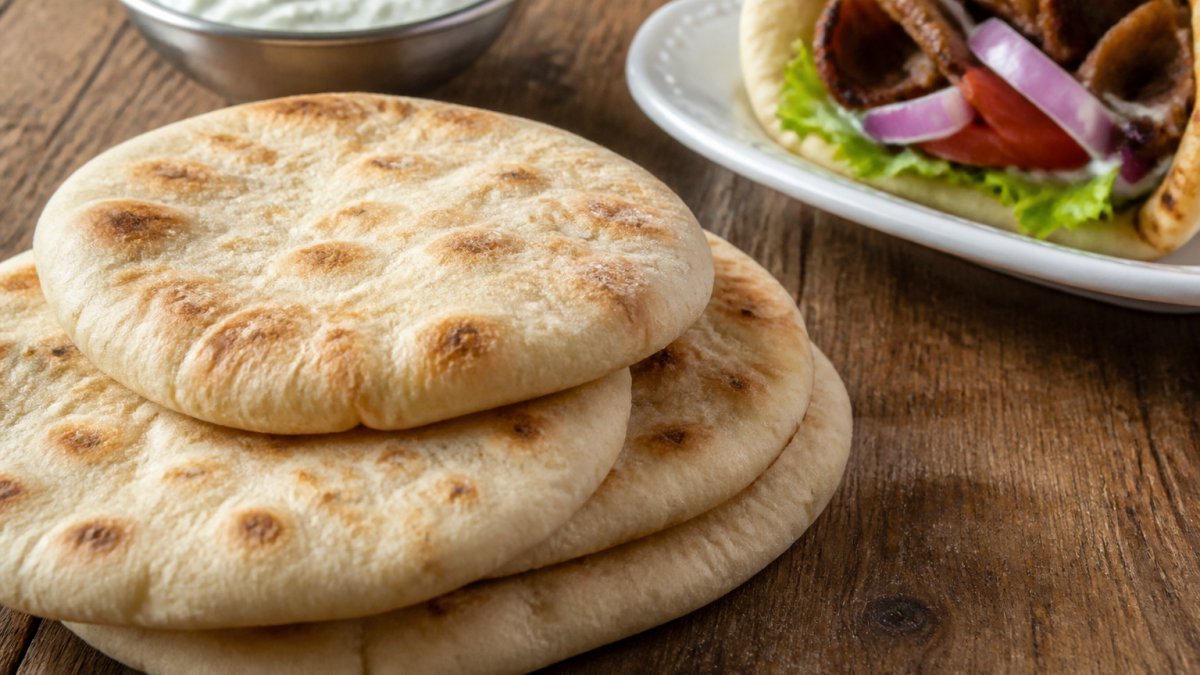
The best pita bread for gyros is a soft, thin, pocketless Greek-style round, about 6 to 8 inches across, because it folds around the filling without cracking. Pocket pita tends to split at the seam once warm meat and sauce go in. Warm the pita until pliable before wrapping.
- Choose soft, pocketless Greek-style rounds over thick pocket pita for gyros.
- Standard gyro pita measures 6 to 8 inches and roughly 1/8 to 1/4 inch thick.
- Pinch the edge through the bag: if it folds without resistance, it will wrap well.
- Warm pita in a dry skillet for 20 to 30 seconds per side before assembling.
- Keep filling in the middle third of the pita to avoid tearing.
Table of Contents
- What Makes Pita Authentic for Gyros
- Side-by-Side Comparison of Common Pita Styles
- How to Choose Store-Bought Pita for Gyros
- Authentic Lamb Gyro Recipe Components
- Warming and Keeping Pita Pliable
- How to Wrap a Gyro Properly
- Booking Your Next Gyro Meal or Catering Order at Gyro Kingdom
- Frequently Asked Questions
What Makes Pita Authentic for Gyros
Authentic gyros depend more on the pita bread for gyros than most people realize. The pita is the part that holds everything together. A pita that tears, dries out, or turns chewy will ruin an otherwise great meal.
Authentic gyro pita is a soft, round flatbread with a pocket that opens cleanly and holds up under warm meat, sauce, and vegetables. It should be thin enough to fold without cracking and sturdy enough to carry a generous filling. That balance is what separates a good wrap from a messy one.
Here's what to look for in an authentic gyro pita:
- Soft and flexible: It bends without cracking when you fold it.
- Sturdy structure: It holds hot meat and sauce without tearing.
- Mild, simple flavor: It supports the filling instead of competing with it.
- Fresh texture: It stays tender after warming, not dry or brittle.
Watch out: A thick, bready pita can look impressive but overwhelm the meat. Choose thinner rounds when you want the filling to be the star.
Side-by-Side Comparison of Common Pita Styles
Not every round flatbread sold as pita behaves the same once it hits a hot skillet and a pile of meat. The styles below are compared on the factors that decide whether a gyro holds together.
| Pita Style | Typical Diameter | Thickness | Pocket? | Texture When Warmed | Handling for Gyros |
|---|---|---|---|---|---|
| Greek-style gyro pita (soft, pocketless) | 6 to 8 inches | Thin, roughly 1/8 to 1/4 inch | No true pocket | Soft, pliable, slightly chewy | Best overall: folds without cracking and hugs the filling |
| Classic pocket pita (white or whole wheat) | 6 to 7 inches | Medium, about 1/4 inch | Yes, opens cleanly | Tender but can split at the seam | Good for stuffed sandwiches; the pocket can tear under heavy sauce |
| Thick grocery-style pita | 7 to 8 inches | Thick, 3/8 inch or more | Sometimes | Bread-like and filling | Holds a lot but can overwhelm the meat and feel doughy |
| Lebanese or Syrian flatbread | 8 to 10 inches | Very thin | No | Flexible, slightly leathery | Excellent foldability; can dry out fast if overheated |
| Foodservice gyro pita | 7 to 9 inches | Thin to medium | Usually no | Consistent, firm, resists tearing | Built for high-volume wrapping; less tender than fresh bakery pita |
| Large-format pita | 10 inches and up | Varies | Sometimes | Wide and generous | Suits oversized portions but is harder to roll tightly |
Greek-style gyro pita vs. pocket pita. This is the distinction that matters most. Traditional gyro pita is a soft, round, pocketless flatbread, it is meant to be wrapped around the meat, not stuffed into. Pocket pita, the kind most Americans grew up with, is thicker, has a distinct seam, and is designed to open into a pouch. For a gyro, the pocketless style wins because it folds around the filling instead of splitting open at the seam.
Thickness and softness trade-offs. A pita in the 1/8- to 1/4-inch range bends easily and lets the meat and tzatziki dominate. Anything approaching 3/8 inch starts to eat like a sandwich roll and can make a gyro feel heavy. Very thin Lebanese-style flatbread folds beautifully but has less margin for error, overheat it and it turns brittle.
Size and portion math. A 6- to 8-inch round is the practical sweet spot for a standard gyro: wide enough to hold a line of meat, sauce, and vegetables, small enough to roll tightly. A 10-inch round is better for a double portion or for diners who want extra filling, but it takes more practice to wrap without the bottom blowing out.
Watch out: A pita labeled "pocket" is not automatically wrong, but expect the seam to be the first failure point once warm meat and sauce go in. If pocket pita is all you have, warm it gently and keep the filling in the center third to reduce seam stress.
How to Choose Store-Bought Pita for Gyros
Most grocery pita is sold in one of three places: the bread aisle, the refrigerated bakery case, or the freezer section. Where you find it tells you a lot about how fresh it will taste and how well it will fold. Use the checklist below to read a package the way a baker would.
1. Read the ingredient list first. A simple pita lists flour, water, yeast, salt, and sometimes oil or a little sugar. Short lists usually mean a cleaner, more neutral flavor that lets the gyro fillings lead. Long lists with dough conditioners, preservatives, and multiple gums are a sign of a shelf-stable product built for longevity rather than tenderness, those pitas often turn leathery when warmed. A soft, clean-tasting pita serves as the ideal vessel for a drizzle of quality olive oil, which enhances the subtle yeast notes of the bread.
2. Check the thickness by feel through the bag. You want a round that flexes easily when you pinch the edge. If the pita feels stiff or rigid through the packaging, it will likely crack when folded. A common pattern is that refrigerated and flash-frozen pitas feel softer than shelf-stable ones because they have not spent weeks drying out.
3. Look for signs of dryness or cracking. Inspect the visible pita for hairline cracks at the edges, pale dry patches, or a rind-like rim. Any of these mean the bread has lost moisture and will tear under filling. Skip packages where the top pita is already cracked.
4. Match the size to your portion. Standard 6- to 8-inch rounds suit a normal gyro. Larger 10-inch rounds are fine if you plan big portions, but they are harder to roll tightly. Check the pack count against how many people you are feeding, multipacks are cheaper per piece only if you can freeze the extras.
5. Confirm the pocket situation. If the label says "pocket pita," expect a seam that can split under sauce. If it says "Greek-style," "gyro pita," or "pocketless," you are getting the wrap-friendly style. When in doubt, squeeze the round gently, a true pocket pita will feel like two thin layers with air between them.
6. Plan for freezing. Pita freezes well. Separate rounds with parchment or a clean kitchen towel, seal them in a freezer bag, and thaw at room temperature before warming. Frozen pita should go straight into a dry skillet or a low oven, do not microwave from frozen, or it will steam and turn rubbery.
Freshness signals at a glance:
- Best: Refrigerated or flash-frozen bakery pita with a short ingredient list and a soft, flexible feel through the bag.
- Acceptable: Shelf-stable pita with a simple ingredient list, if it still flexes and shows no edge cracks.
- Avoid: Pita with visible cracks, a stiff feel, or a long list of dough conditioners and preservatives.
Authentic Lamb Gyro Recipe Components
A great gyro is built from a few parts working together. The meat sets the flavor, the sauce adds cool contrast, and the vegetables add crunch. Lamb is the traditional choice, though chicken, beef, and pork are also common.
The core components include:
- Seasoned meat: Lamb, chicken, beef, or pork, marinated with herbs and spices.
- Tzatziki: A thick yogurt sauce with cucumber, garlic, and dill.
- Fresh vegetables: Tomato, onion, and lettuce for texture.
- Warm pita: The wrap that ties everything together.
For the full breakdown of how each component works, see our guide: Authentic Lamb Gyro Recipe: Components Explained.
Meat, Tzatziki, and Vegetable Toppings
Toppings decide how a gyro tastes from the first bite to the last. Keep the portions balanced so no single ingredient overpowers the rest.
Start with sliced meat, then add a generous spoonful of tzatziki. Layer tomato, onion, and cucumber on top. Lettuce adds a fresh bite but can make the wrap soggy if you overload it. If you want more topping ideas, read our guide to best toppings for authentic Greek gyros. To make the sauce yourself, see our homemade tzatziki guide.
Warming and Keeping Pita Pliable
A cold pita cracks. A warm pita bends. Warming is the single step that most improves a gyro wrap.
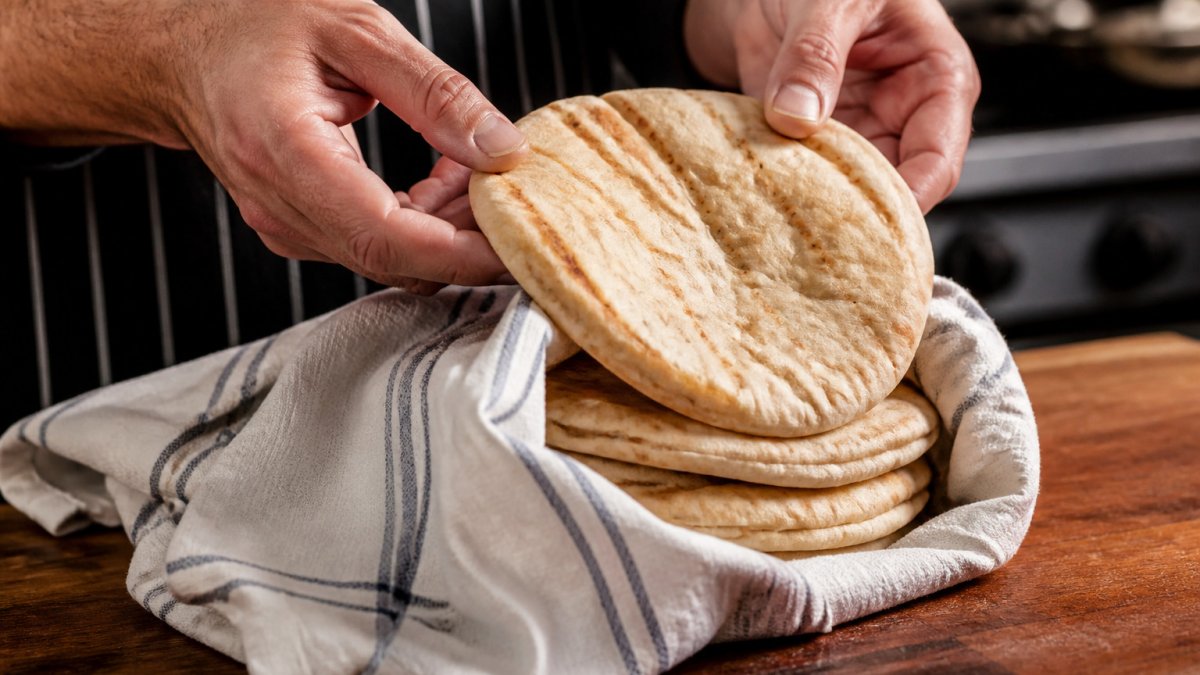
Heat the pita in a dry skillet for 20 to 30 seconds per side, or wrap several in foil and warm them in the oven. Stack the warm pitas in a clean kitchen towel to keep them soft while you assemble the rest.
Watch out: Overheating dries the pita and makes it brittle. Warm it just until it's pliable, then serve right away.
How to Wrap a Gyro Properly
Wrapping takes about a minute once you know the method.
- Lay the warm pita flat on a clean surface.
- Spread a line of tzatziki down the center.
- Add the meat in a neat row, then the vegetables on top.
- Fold the bottom edge up over the filling.
- Tuck in the sides and roll the wrap tightly away from you.
- Wrap the bottom in paper or foil to hold it together.
Keep the filling in the middle third of the pita. Overfilling is the most common reason a gyro falls apart.
For more on building a gyro at home, read our guide to identifying fresh pita.
Booking Your Next Gyro Meal or Catering Order at Gyro Kingdom
Making authentic gyros at home takes time, and many people prefer to let an experienced kitchen handle the work. Gyro Kingdom serves freshly made gyros daily with chicken, lamb, beef, or pork, along with traditional Mediterranean dishes. Pricing for orders depends on quantity, dates, and delivery, so check our website for current prices or request a quote.
If you're planning a group event, our team can help with catering. For guidance on planning a gathering, see our authentic Greek dinner party guide.
Frequently Asked Questions
What kind of bread is best for gyros?
A soft, sturdy pita is the best choice for gyros. Look for a pocket-style pita that is thick enough to hold hot meat, tzatziki, and vegetables without tearing, but still pliable enough to fold. Thin, dry pita cracks when wrapped, while very thick pita can be chewy. Warm the bread before filling it so it bends easily and stays soft through the last bite.
Is there a difference between gyro bread and pita bread?
Gyro bread is usually just pita bread sold or prepared for wrapping gyros. Greek-style pita is often thicker and softer than the thin, pocketed pita common in grocery stores, which makes it easier to hold a generous filling. Whichever you buy, the key qualities are softness, enough thickness to hold up to juicy meat, and a size large enough to wrap around the filling.
Should pita bread be toasted or steamed for gyros?
Steaming or lightly warming pita is generally better than toasting it. Toasting makes the bread stiff and brittle, so it cracks when folded. Warm the pita in a dry skillet for about 20 to 30 seconds per side, or wrap a stack in foil and heat it in the oven, so it stays flexible and soft around the meat.
How do you keep pita bread soft for wrapping gyros?
Keep pita soft by warming it just before serving and holding it wrapped in a clean kitchen towel or foil. Avoid leaving it uncovered, since it dries out quickly. If you prepare gyros ahead of time, store the pita in a sealed bag at room temperature and warm it again right before filling.
Ready to taste the difference? Order from Gyro Kingdom and see why our gyros keep customers coming back.